
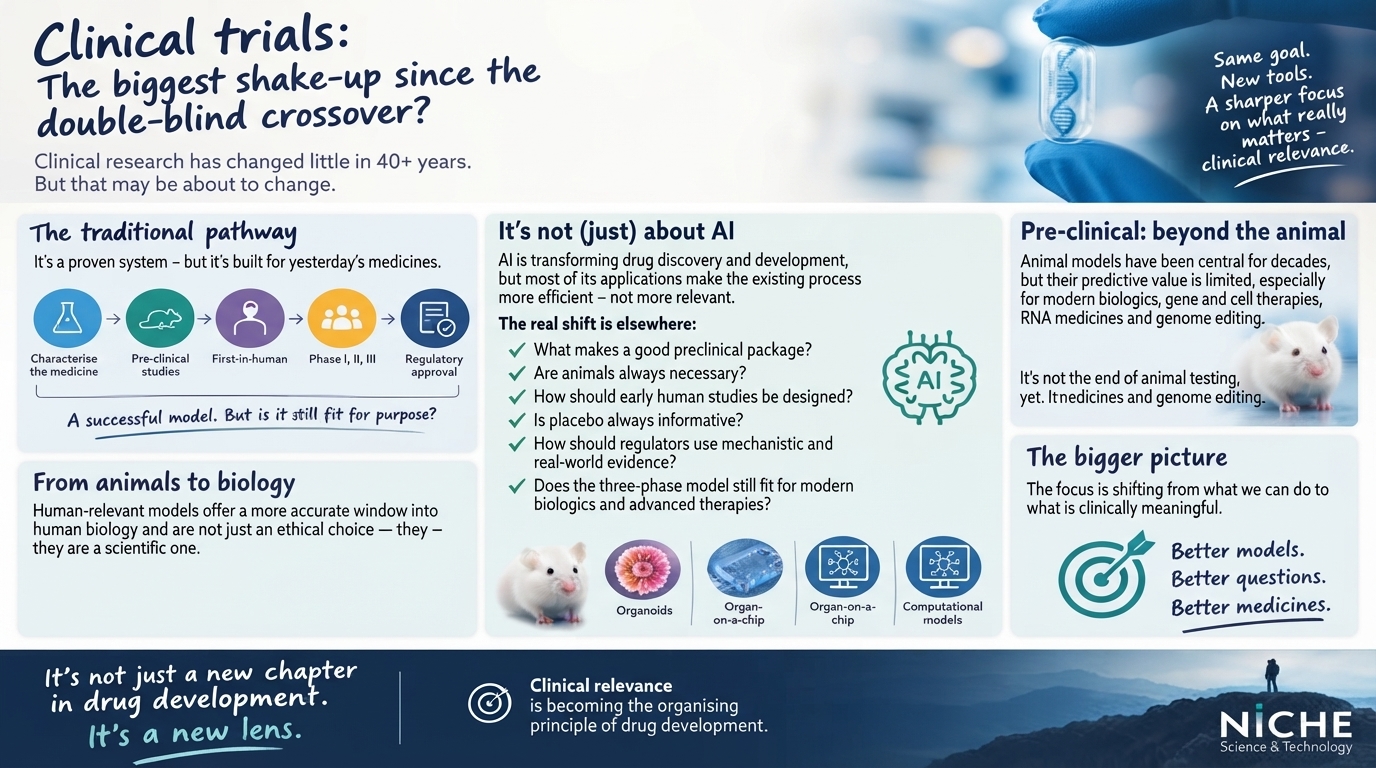
Clinical trials: The Biggest Shake-Up Since the Double-Blind Crossover?
The question is whether clinical research is approaching its greatest methodological upheaval since the development of the randomised, controlled, double-blind trial and its sophisticated relatives, including the cross-over design. read more
Do you read or write about science… READ THIS!
What happens when your paper is not being read and interpreted by a human? read more
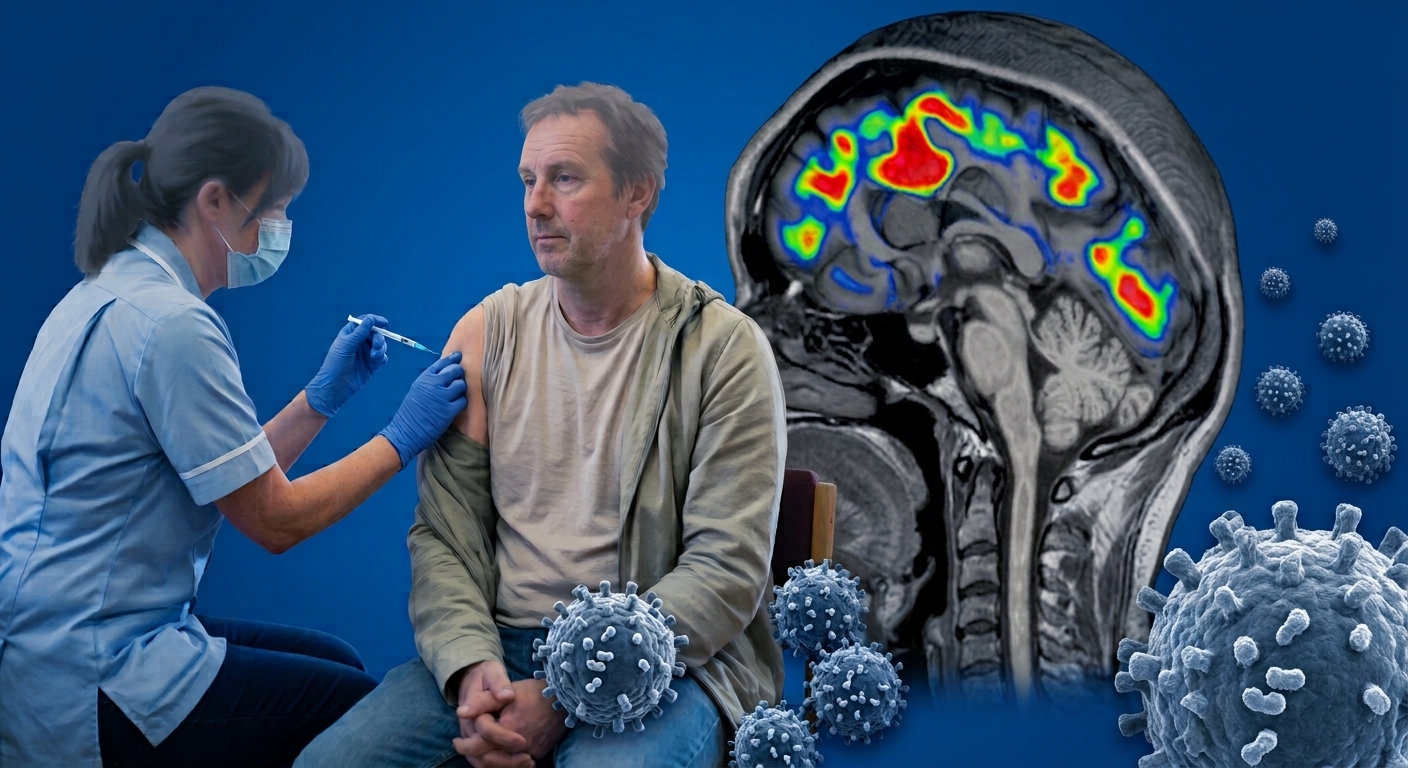
Tales of the Medically Unexpected: Shingles Vaccination and Alzheimer’s Disease
The first serious proposals that a virus might contribute to Alzheimer's disease appeared as early as 1982 read more

Europe’s Lost Advantage: Did the Psychology of Choice Matter More Than We Think
Europe has a curious problem. One of its greatest historical strengths, its diversity, looked from the inside like a weaknesses. read more

Watermarks: Closing the Gate (After the Horse Has Bolted?)
AI companies are building increasingly capable large language models (LLMs), regulators are demanding ways of identifying their output, researchers are developing watermarks and, almost immediately, somebody develops a tool to remove them. read more
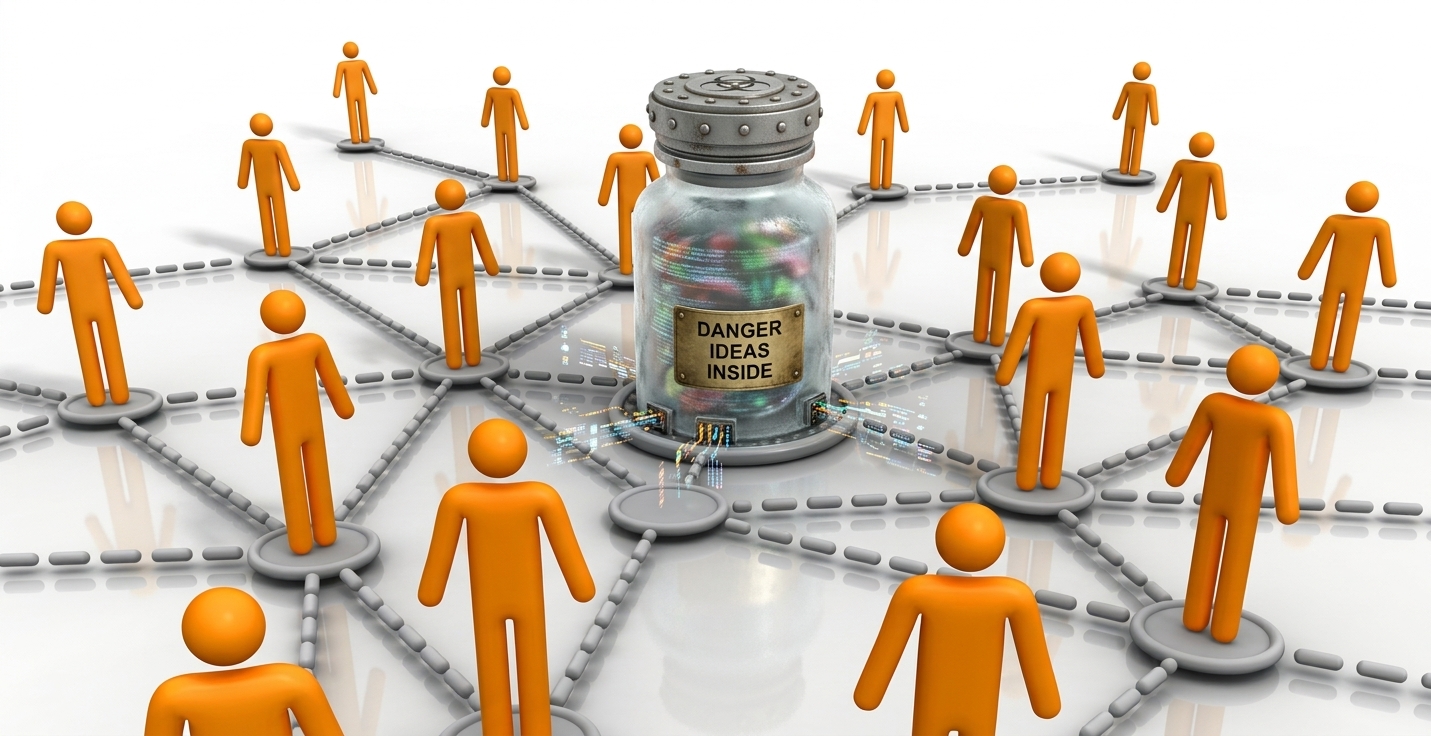
Going Viral: Why Some Science Spreads — and Some Science Disappears
For anyone who regularly creates content, there is a shared ambition, that one of our articles or posts might ‘go viral’. read more
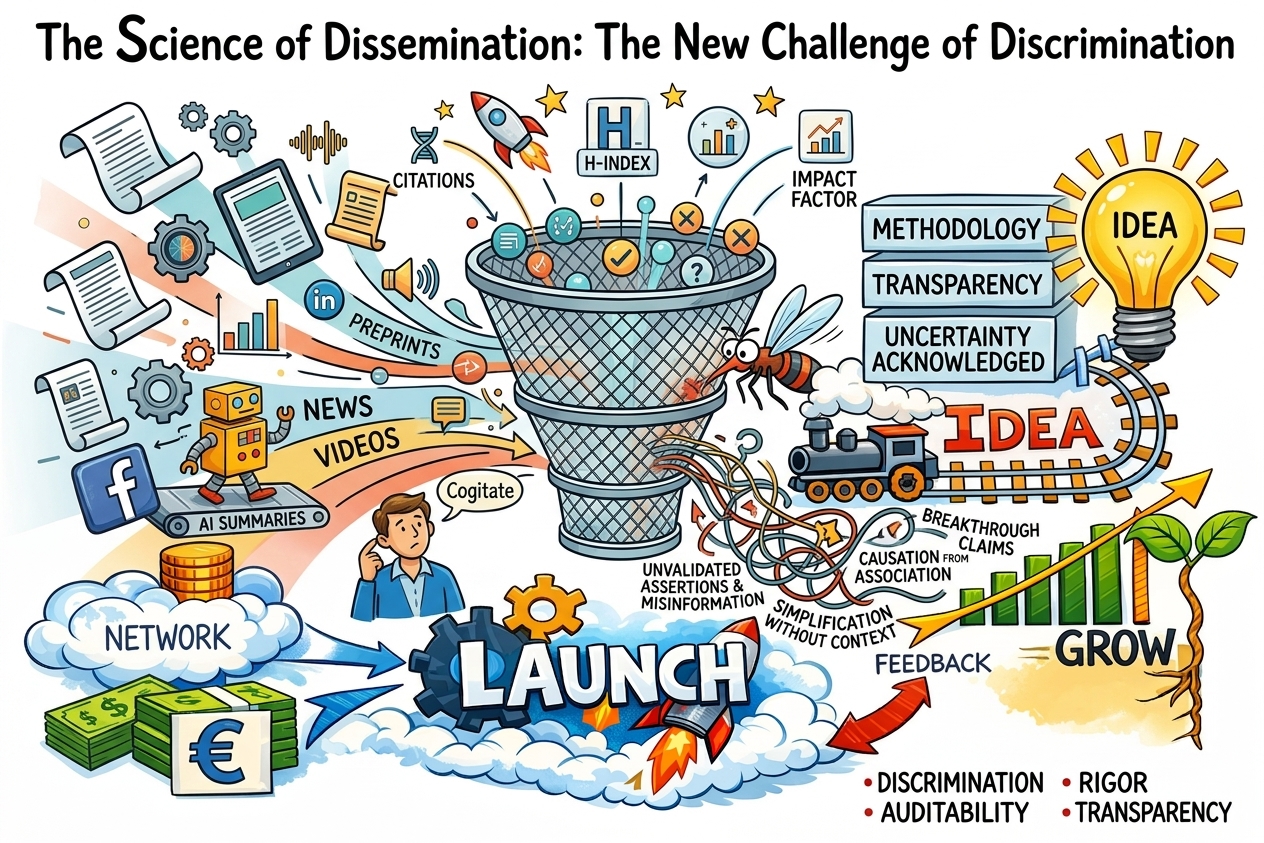
The End of Publish-and-Forget
In the 1980s and 90s, scientific dissemination seemed, at least from today’s perspective, relatively straightforward. You did the research. You analysed the data. You wrote a manuscript and submitted it to a scientific journal. read more
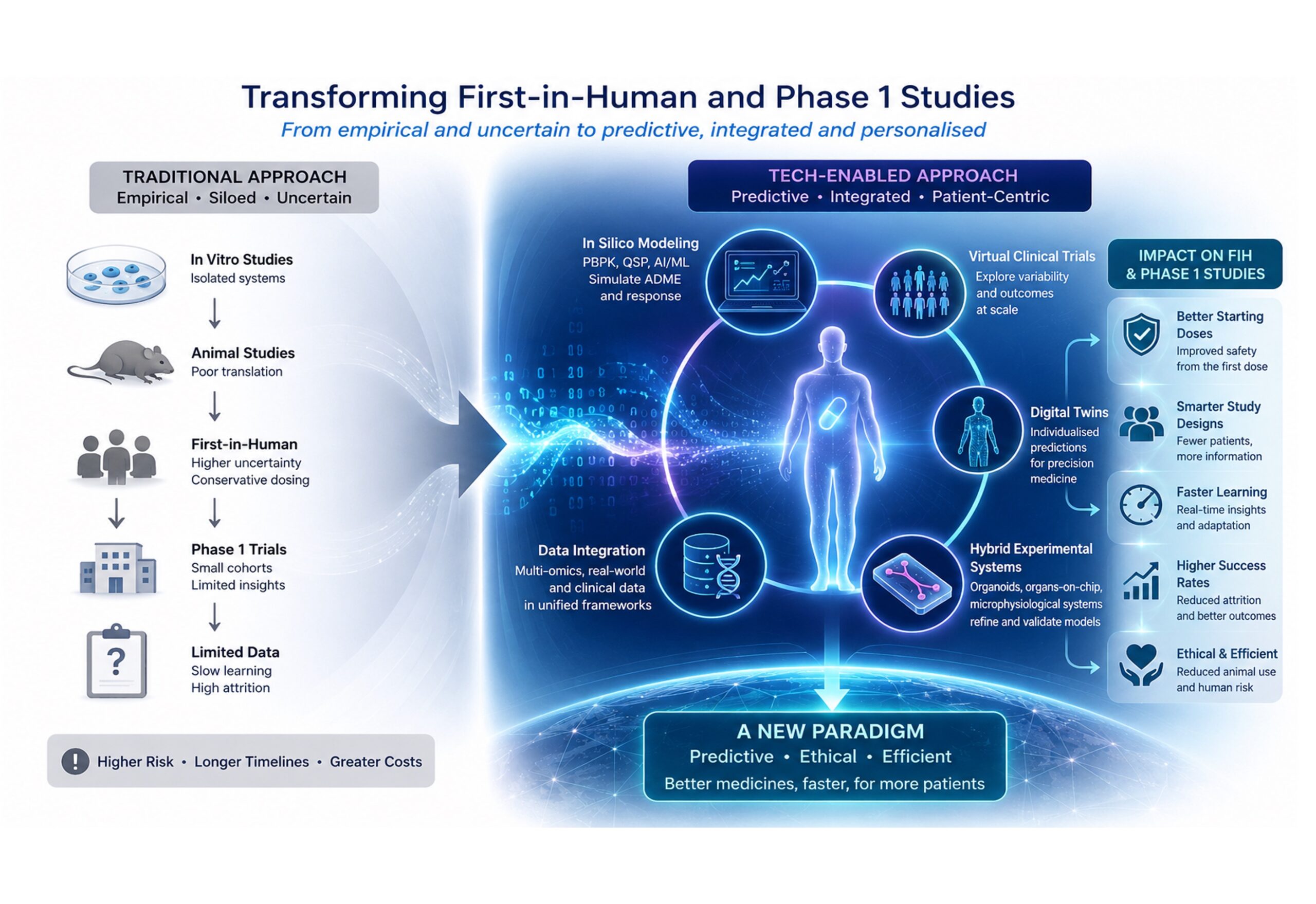
Are In Silico and Hybrid Experimental Systems Redefining Early Clinical Pharmacology?
In silico and hybrid systems are transforming first in human studies. On PBPK modelling, digital twins, synthetic controls and where regulators stand. read more

The Irony of Clarity
Colleagues say these blogs read like AI. A look at why decades of scientific writing discipline now trigger the same suspicions as a language model. read more
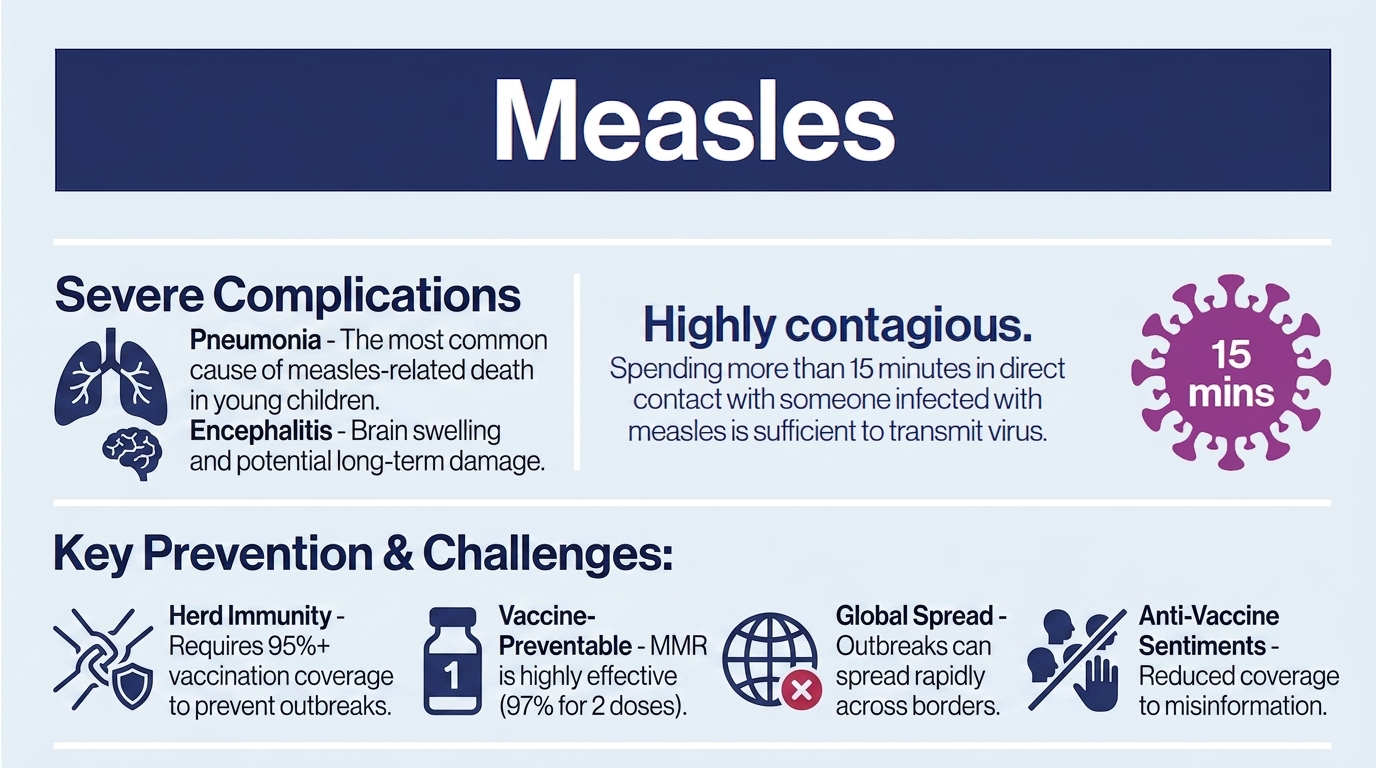
MMR: Nero Fiddles While Herd Immunity Burns
On the order to split the MMR vaccine into three shots, and 25 years of evidence from over 23 million children showing no link to autism. read more
Fifty Times, But What Does It Mean?
For many of us, ResearchGate has become something like a ‘LinkedIn for scientists.’ read more

Astronomical Intelligence
Recent studies suggest that most leading medical journals provide guidance on authors’ use of generative AI. read more
Data, Data Everywhere... II
There is a growing belief that if we simply measure everything, uncertainty will disappear. Yet good science has traditionally embraced uncertainty. read more
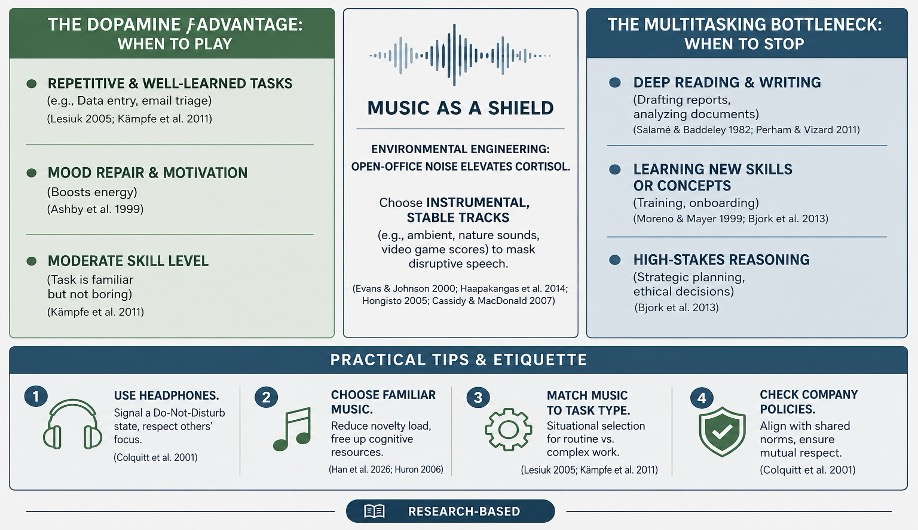
Music at Work: Ally and Occasional Saboteur
In home offices, playlists have become as common as laptops. Many professionals report that music makes them “more productive,” yet others find it distracting or even stressful. read more

Why Chaos Tempts Us, and When We Should Listen
This universal experience, hearing two competing internal voices, one urging caution, the other whispering temptation, lies at the heart of the human condition. read more

The Last Page: What AI-Driven Book Destruction Reveals
For me, there is something gut-churning and terrifying about the act of burning books. It represents that sickening sense of the world gone mad, perhaps reflected best in William Golding’s Lord of the Flies. read more

Have you seen it yet?
Have you seen it yet... Christopher Nolan’s re-imagining of Homer’s poem The Odyssey, the greatest story of Ancient Greece and a foundational work of western culture. read more
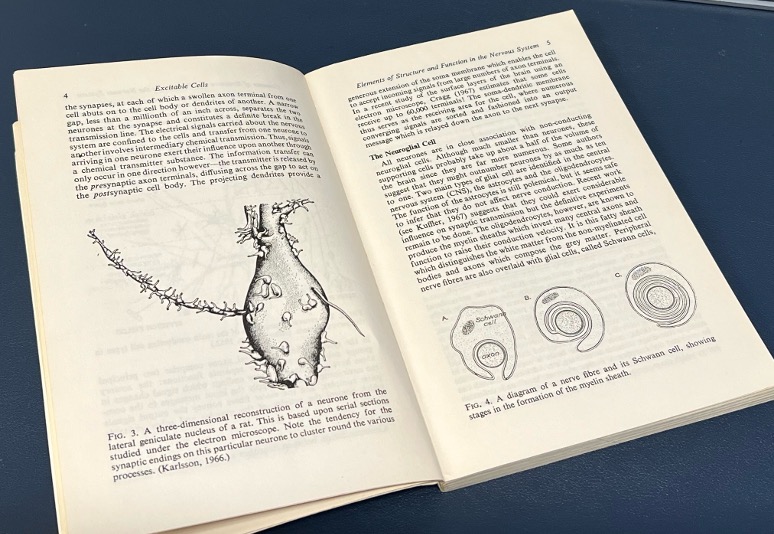
Why the Future of Drug Discovery Depends on Understanding the Brain
Over the past two decades, drug discovery has been transformed across multiple therapeutic areas. Yet this remarkable progress has largely bypassed the brain. read more

A Deeply Human Act
Writing is more than text production. A personal and scientific look at what makes writing deeply human and what AI risks eroding when it takes over the process. read more
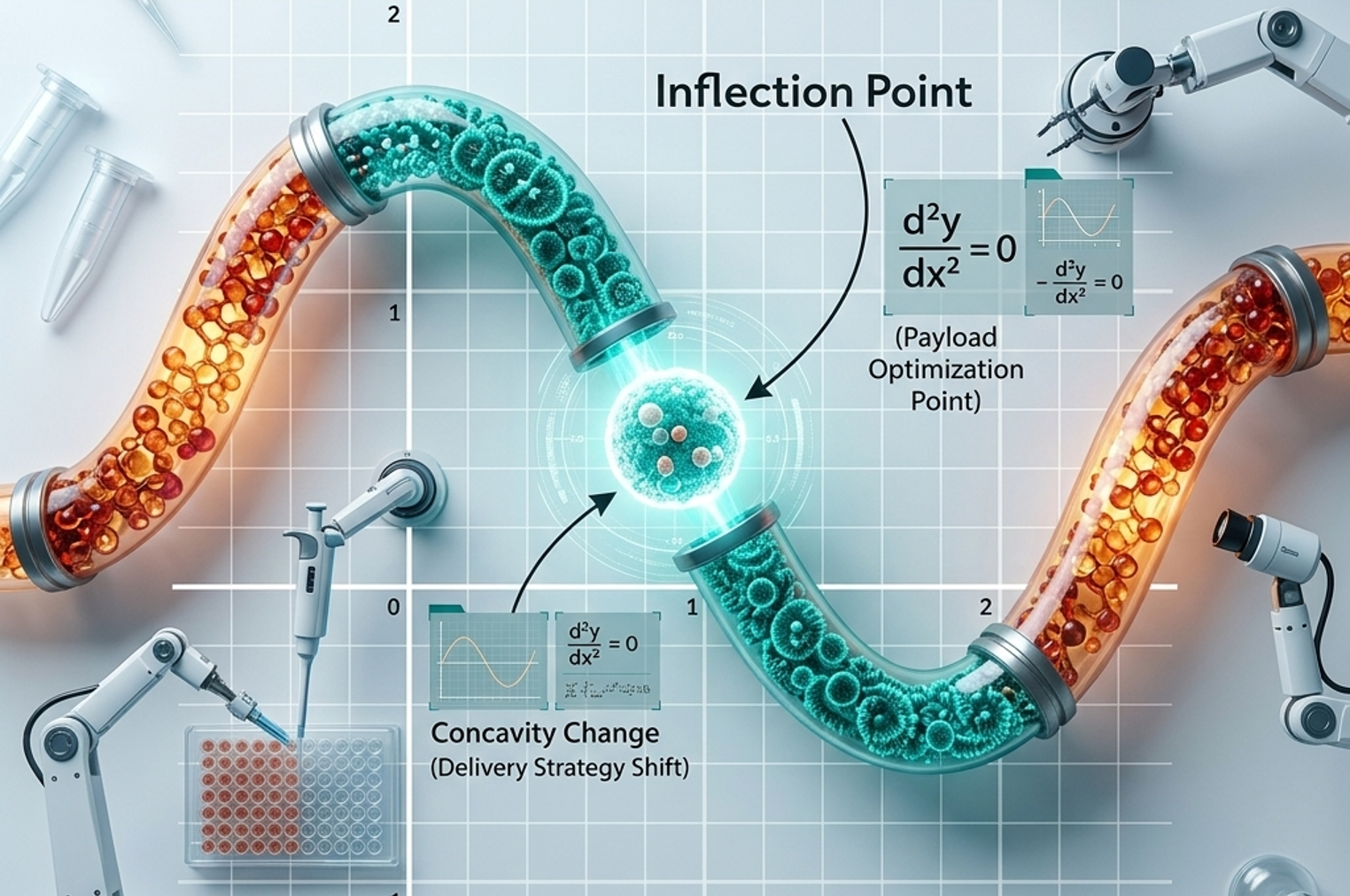
The Methodological Inflection Point: How Integrated AI and Quantitative Pharmacology Are Redefining Clinical Development
The persistent challenge in drug development has long been its high attrition rate, with late-stage failures frequently tracing back to suboptimal dosing. read more

Catharsis, Cognition, and Emotional Regulation
We’ve all done it, got angry at a service provider, neighbour or politician. The response of the more civilised among us is to write a letter of complaint. read more

World Cup thoughts… England out, least said soonest mended
Football aside, Japan has made an exceptionally deep and practical contribution to science, combining fundamental scientific insights with masterful engineering capabilities. read more
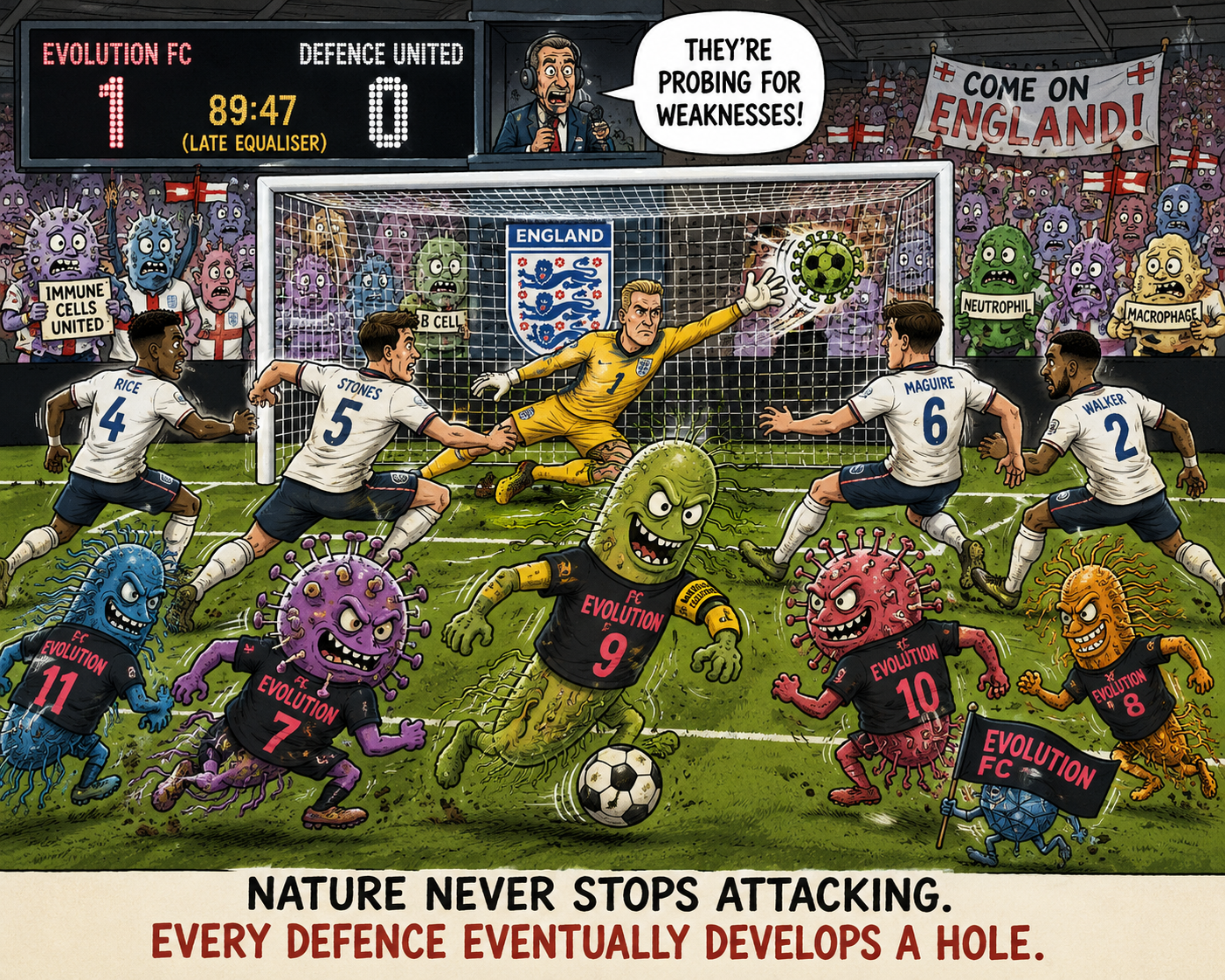
You Can't Defend Your Way to Victory
I know virtually nothing about football. My inability to name more than a handful of current players is a source of mild embarrassment. Yet, like many around me, I found myself patriotically glued to the television for the England World Cup semi-final. read more
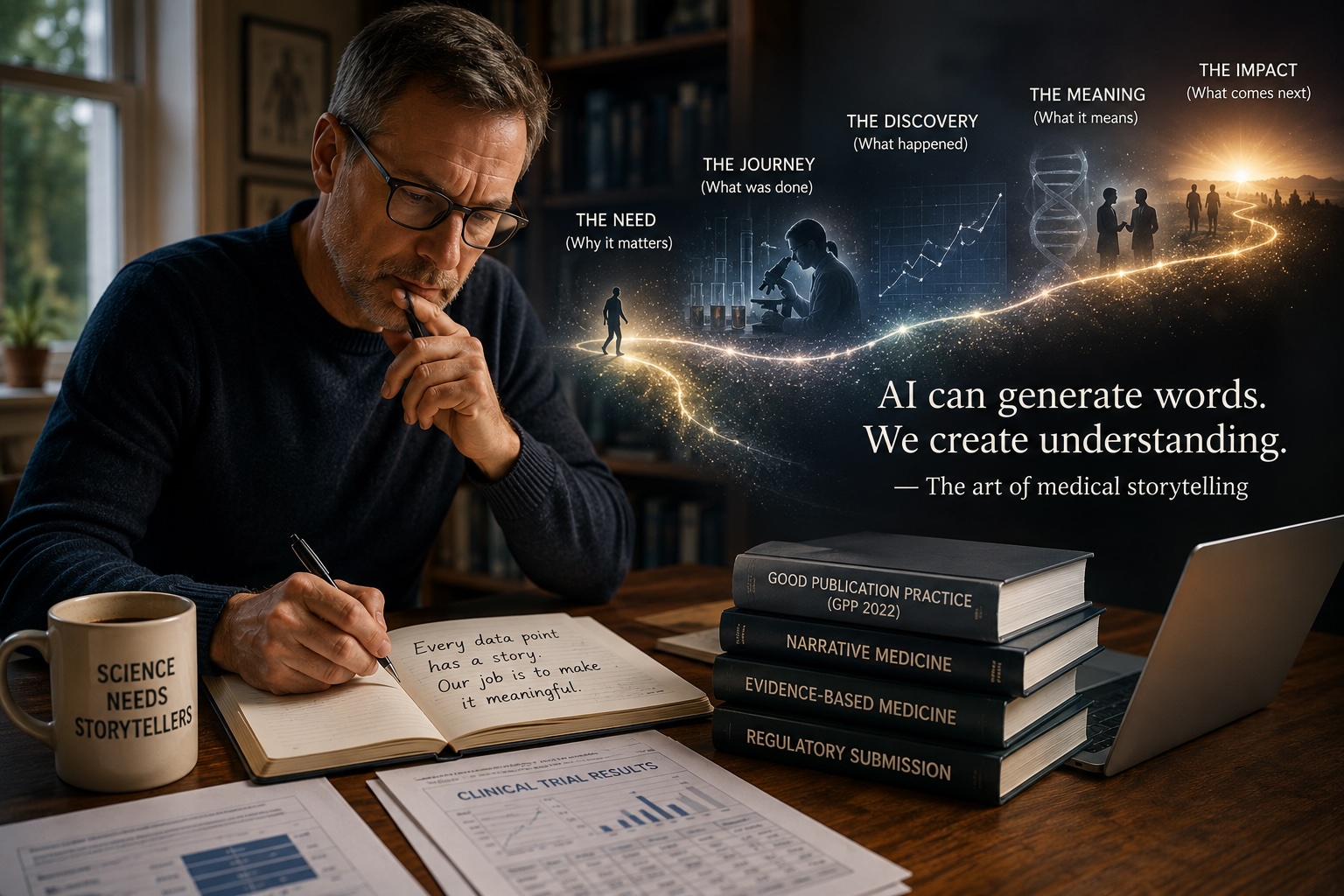
What Every Good Medical Writer Knows
Medical writers take complex scientific data and render it into language that regulators, clinicians, and researchers can understand. The most effective among them do not merely translate data; they craft stories. read more
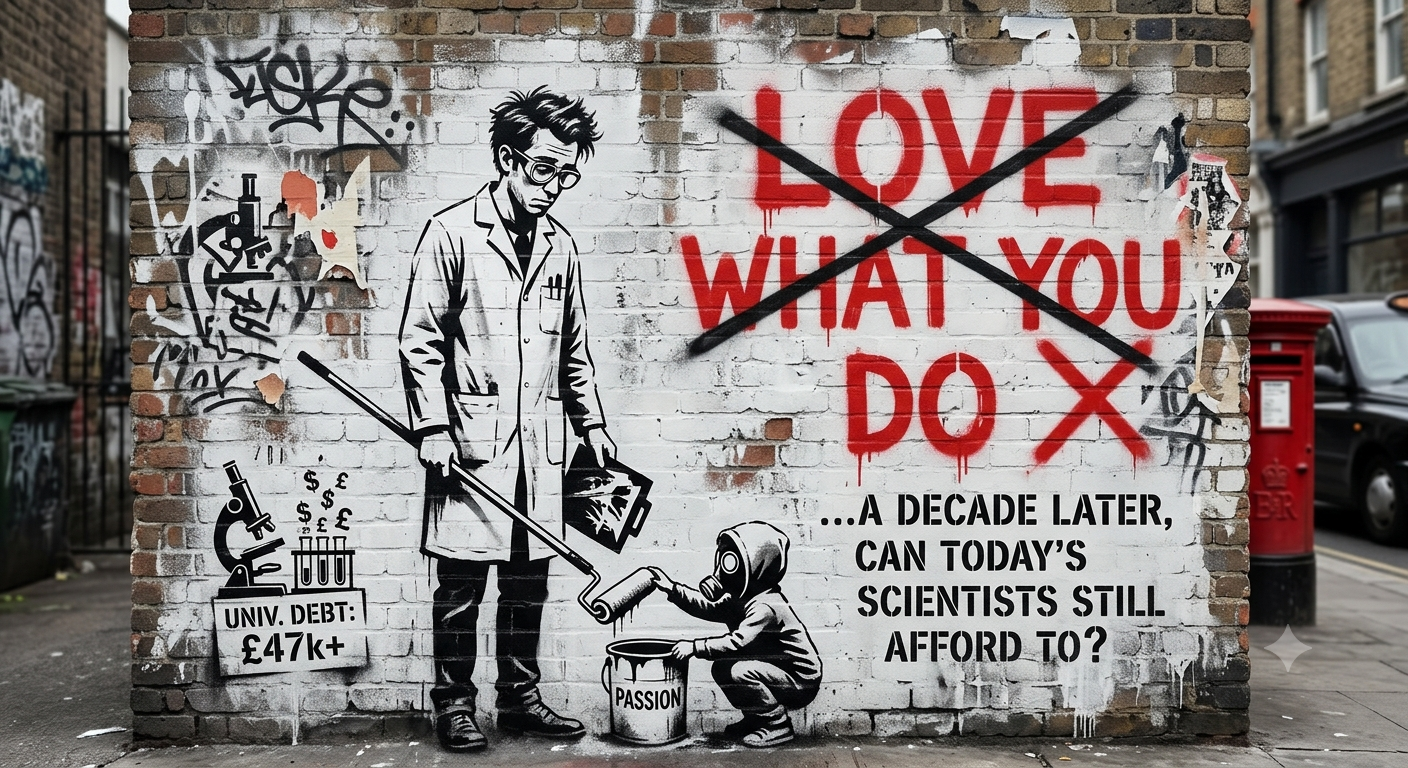
Love What You Do? A Decade Later, Can Today’s Scientists Still Afford To?
Ten years ago, in July 2016, I reflected on the future for school-leavers. The article, ‘Love What You Do,’ distilled my decades of experience in science and clinical research into a piece of advice for the next generation. read more
Tales of the Medically Unexpected: Could the HIV drug Tenofovir arrest multiple sclerosis?
A collective sense of relief and elation may be a common reaction to big breakthroughs in medical research. read more

Digital Twins in Medicine
What is all the excitement around digital twins? read more

The Art of Not Trying and The Science Behind Aha!
Why do the best ideas arrive in the shower? A look at the neuroscience behind insight, why the brain solves problems when you stop trying and how to encourage it. read more
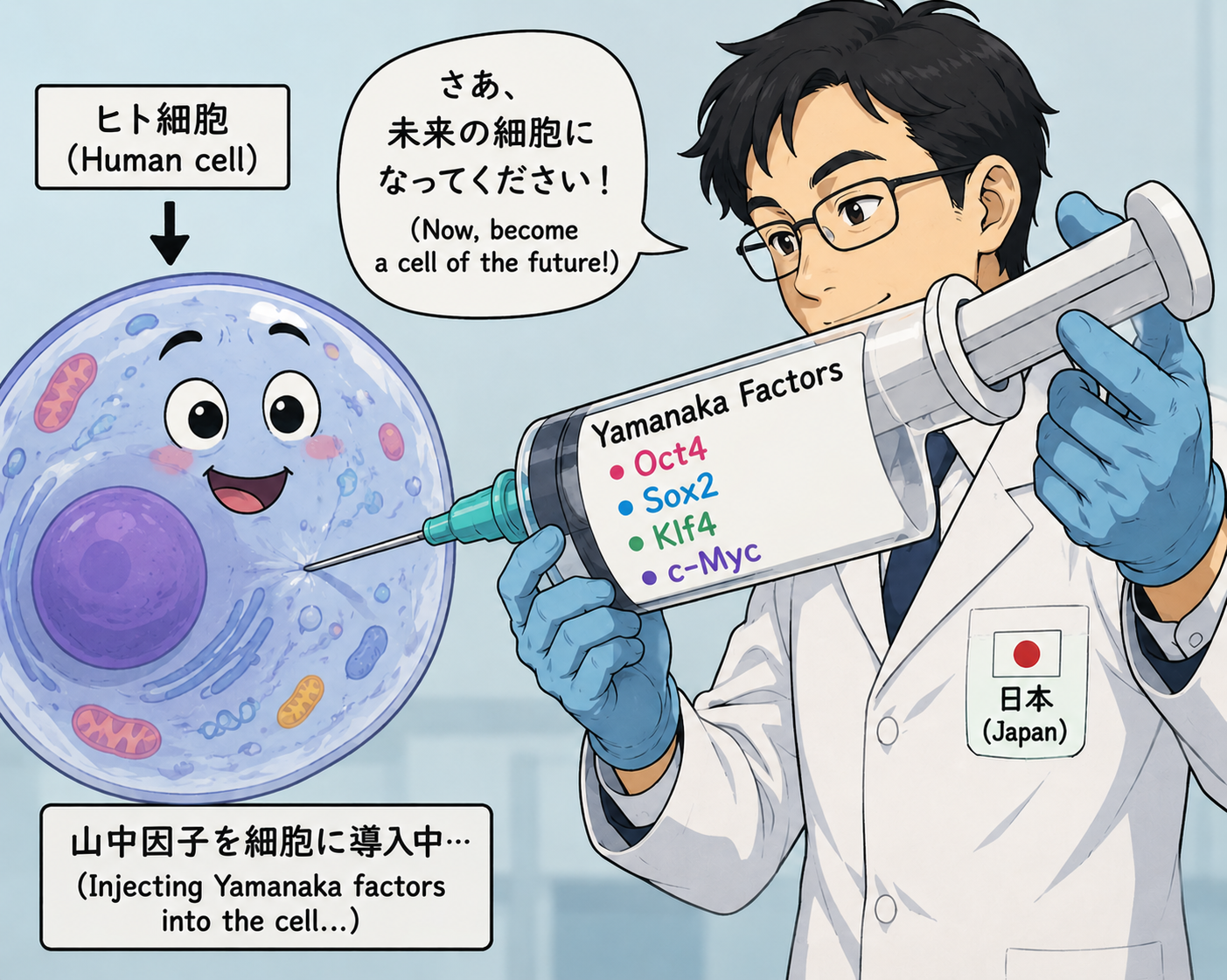
World cup thoughts… Reversing what we thought was irreversible
Football aside, Japan has made an exceptionally deep and practical contribution to science, combining fundamental scientific insights with masterful engineering capabilities. read more
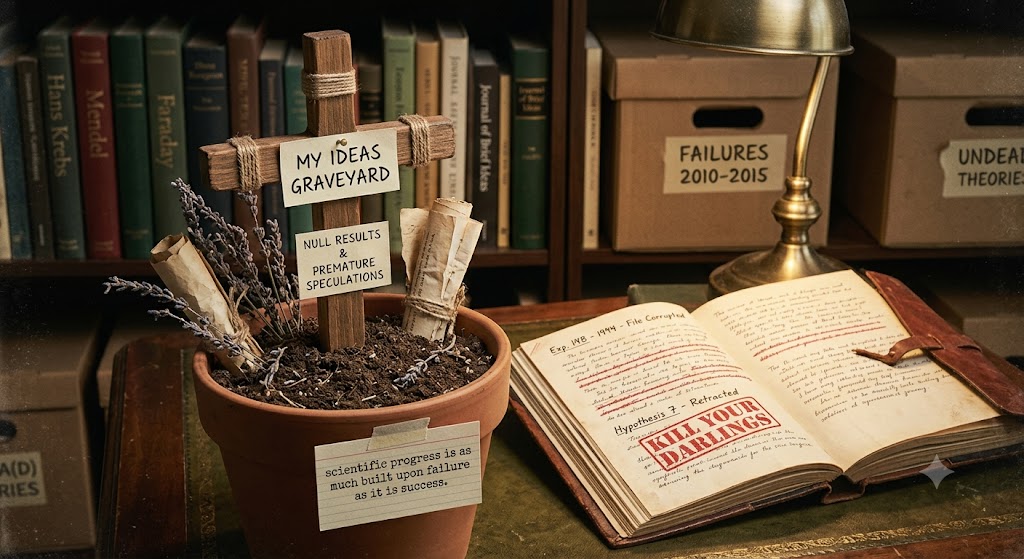
Your Graveyard of Ideas
Let me introduce you to the concept of an Ideas Graveyard, a systematic repository for your ideas that didn't make it to completion. read more
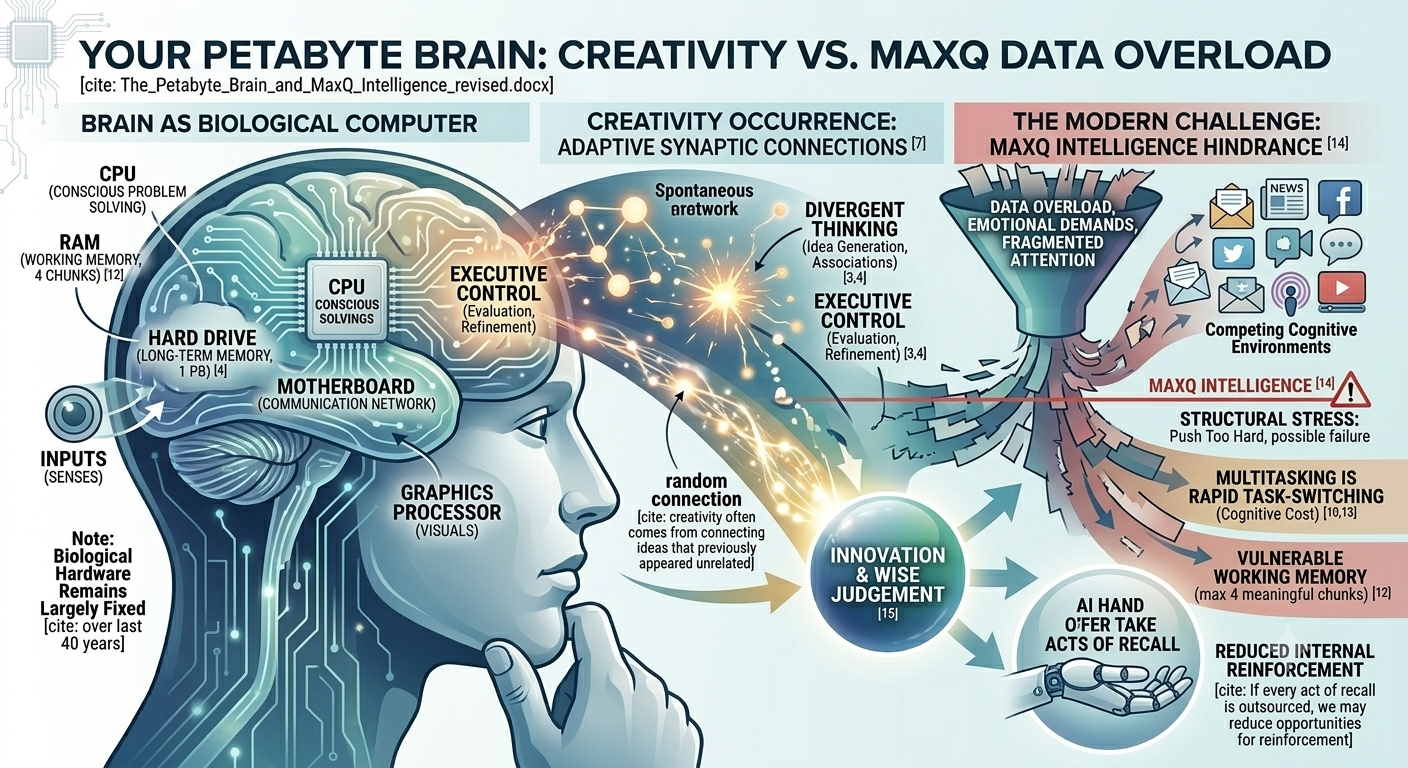
Your Petabyte Brain and MaxQ Intelligence
Is the human brain a petabyte hard drive or something more dynamic? A look at memory, forgetting and whether cognition has a maximum information threshold. read more
Never Meet Your Heroes: The Science of Dreams, Talent and the Smallest Differences That Decide Everything
There is an old saying: never meet your heroes. It sounds cynical, suggesting that the person you admire may disappoint you when they step out from the shadows of your imagination. read more

The Science of Choice: Why Having Too Many Options Can Make Us Unhappy
Too many options can leave us overwhelmed rather than satisfied. A look at the psychology behind choice overload and how to make decisions more easily. read more

Engineering the Creative State
Writing is not a constant skill but a fluctuating state. A look at how circadian rhythms, music and environment shape creativity and how writers can use them. read more

World Cup Thoughts… Clinical Trials in Africa
Controversy has raged over the last few years to decide which footballer is the greatest of all time, the “GOAT.” read more
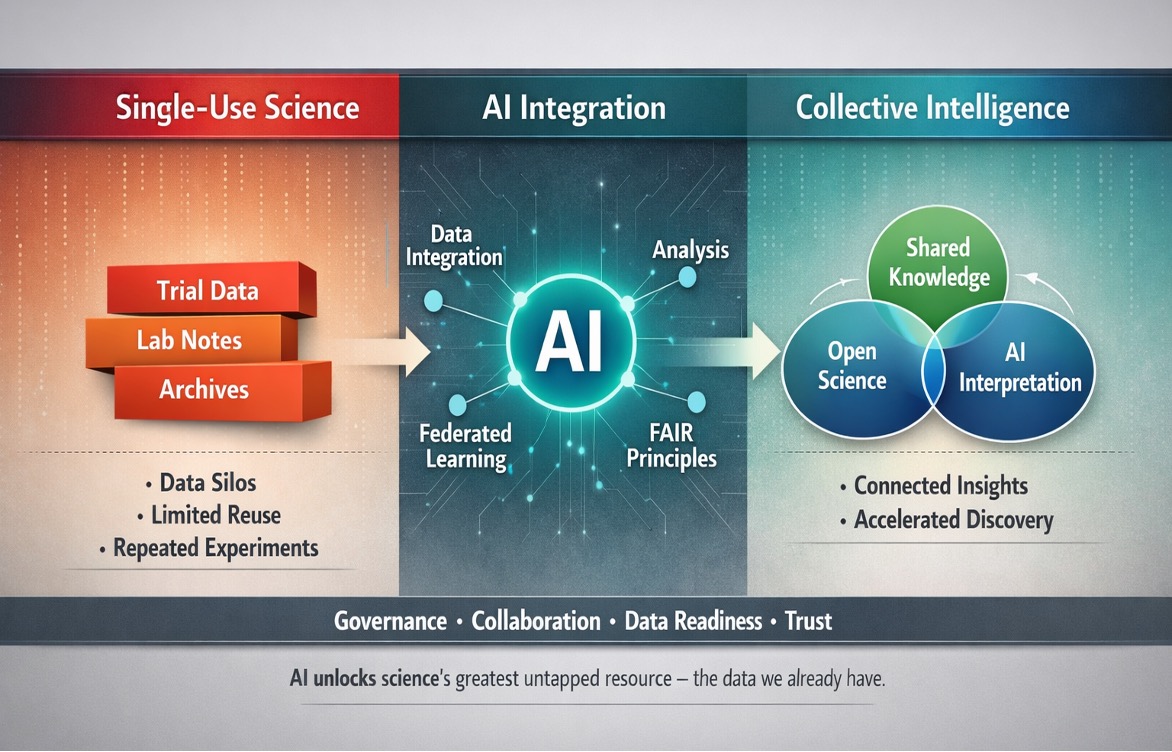
The Data Reuse Revolution: Unlocking Untapped Resources with AI
Why pharmaceutical research wastes most of the data it generates and how AI and LLMs are beginning to unlock its hidden scientific value. read more
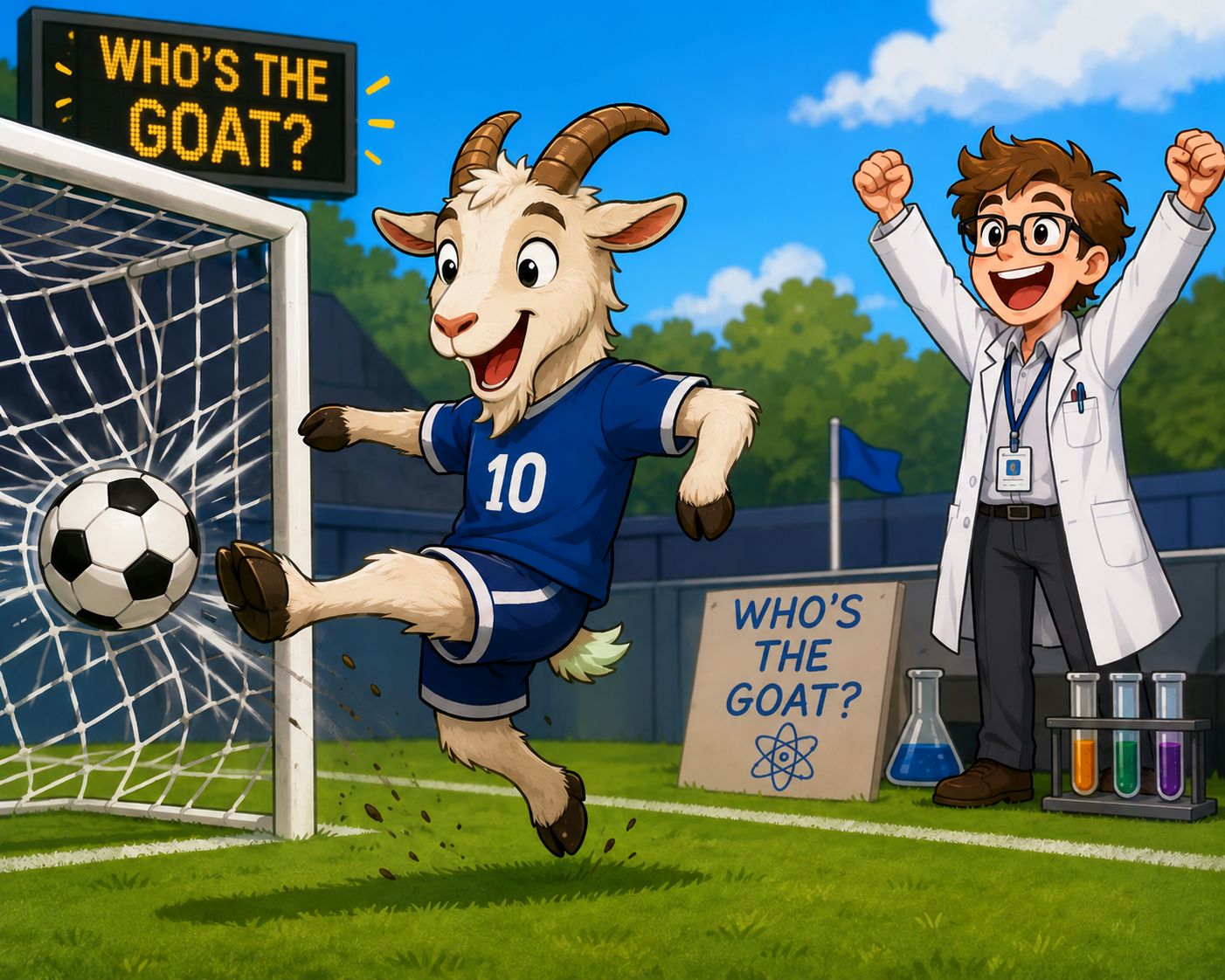
World Cup thoughts… who’s the GOAT?
Controversy has raged over the last few years to decide which footballer is the greatest of all time, the “GOAT.” read more
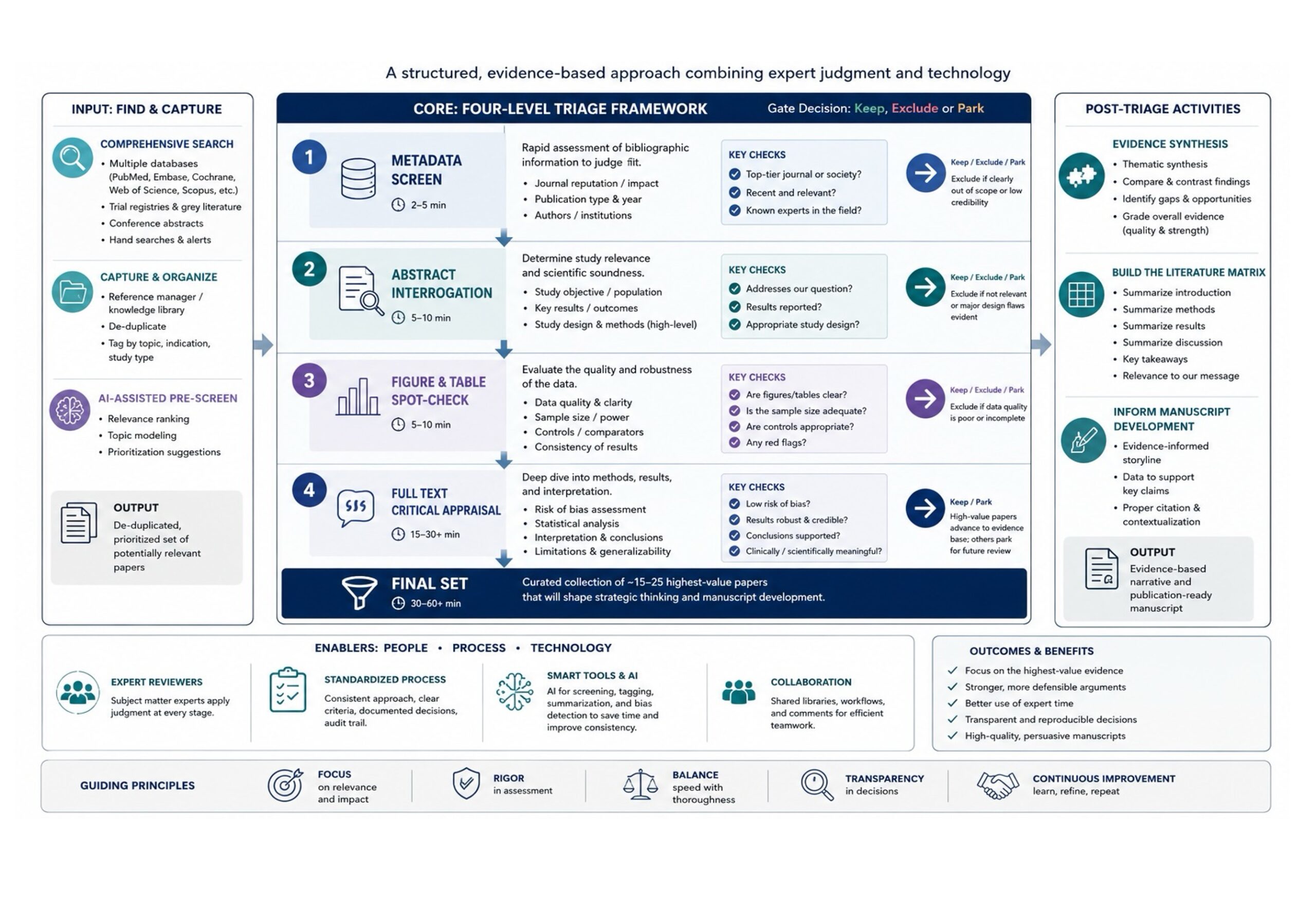
A Strategic Framework for Mastering the Literature Revisited
Semantic search tools can find relevant papers without exact keyword matches. read more
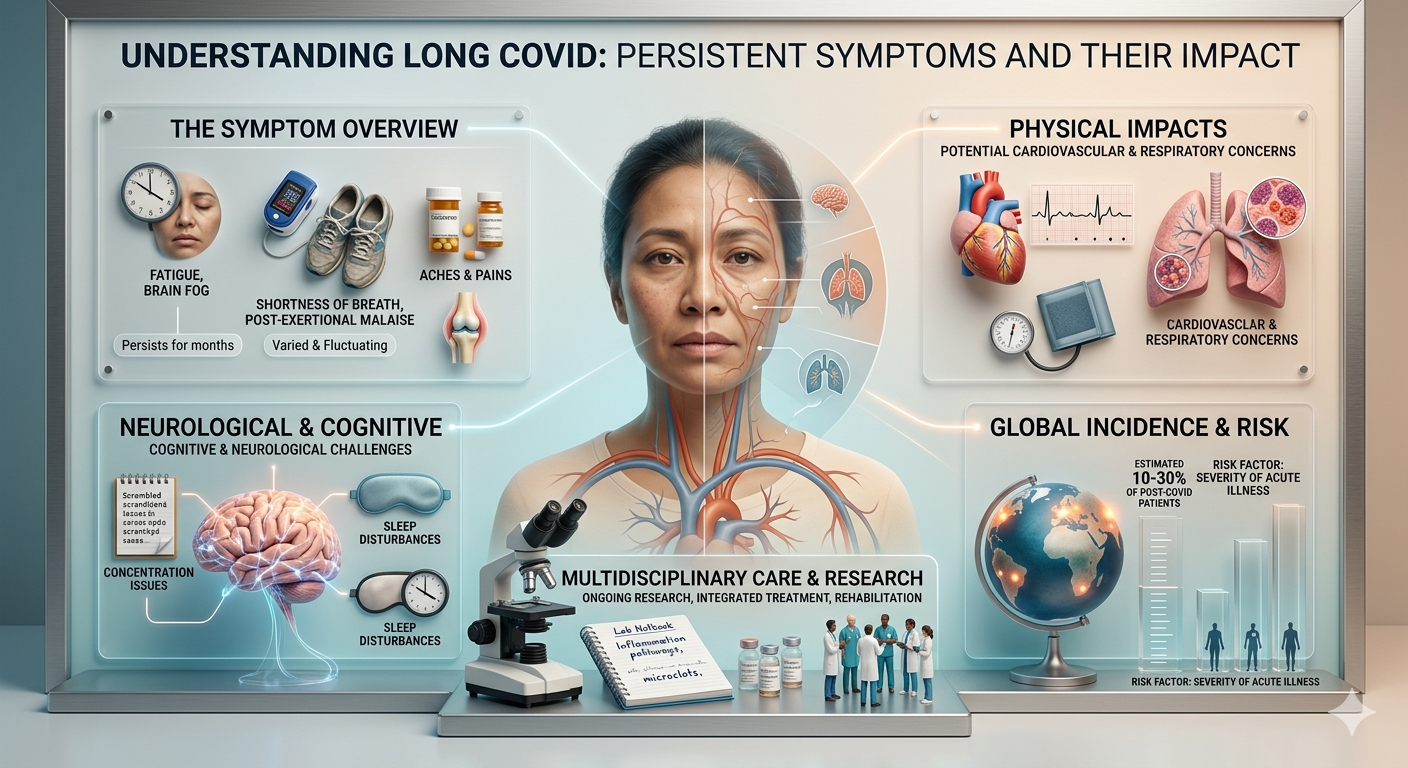
From a Cold War Discovery to Long COVID
Some scientific discoveries emerge from careful planning. Others arrive by accident as with this clinical study into long COVID. read more
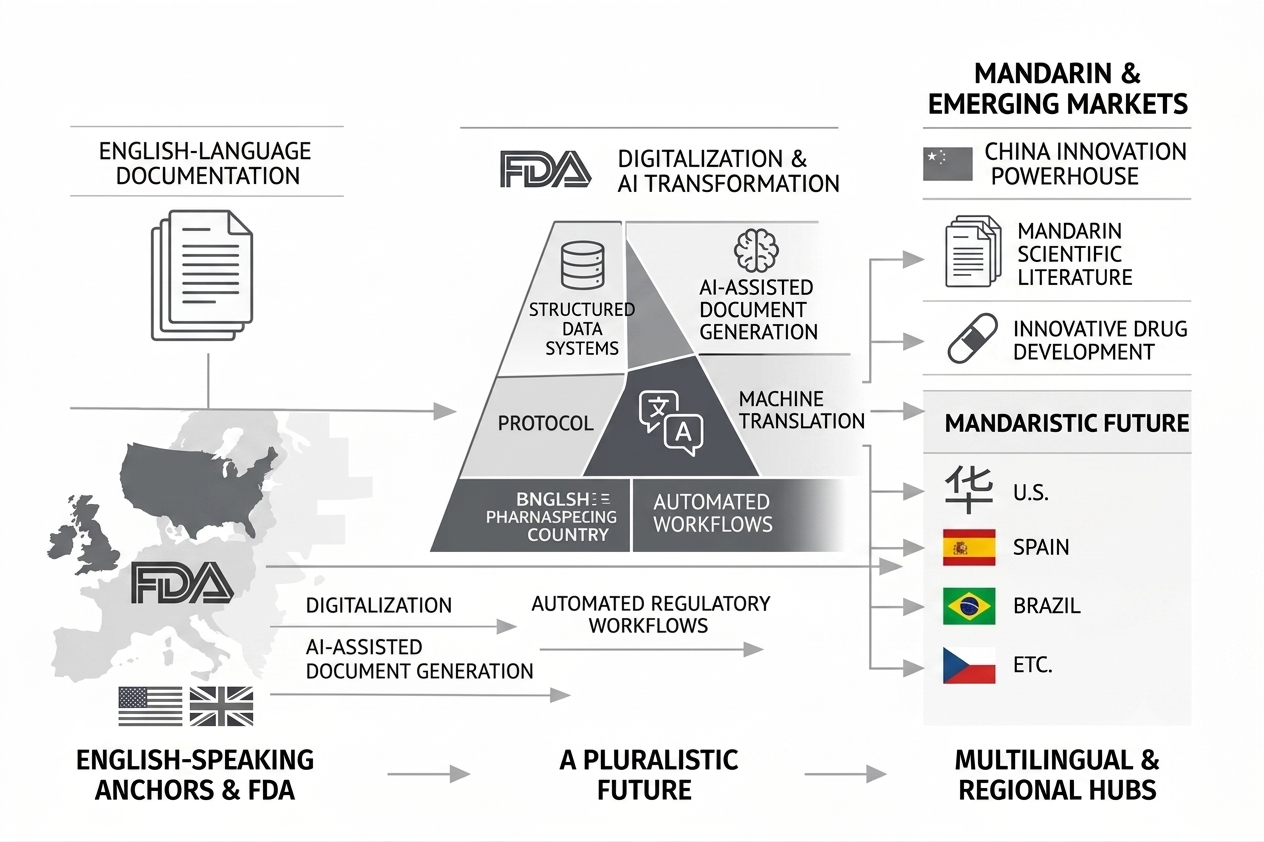
The Future of English as the Pharmaceutical Industry’s Lingua Franca
For half a century, English has served as the uncontested linguistic backbone of the global pharmaceutical industry. How long will it stay that way? read more
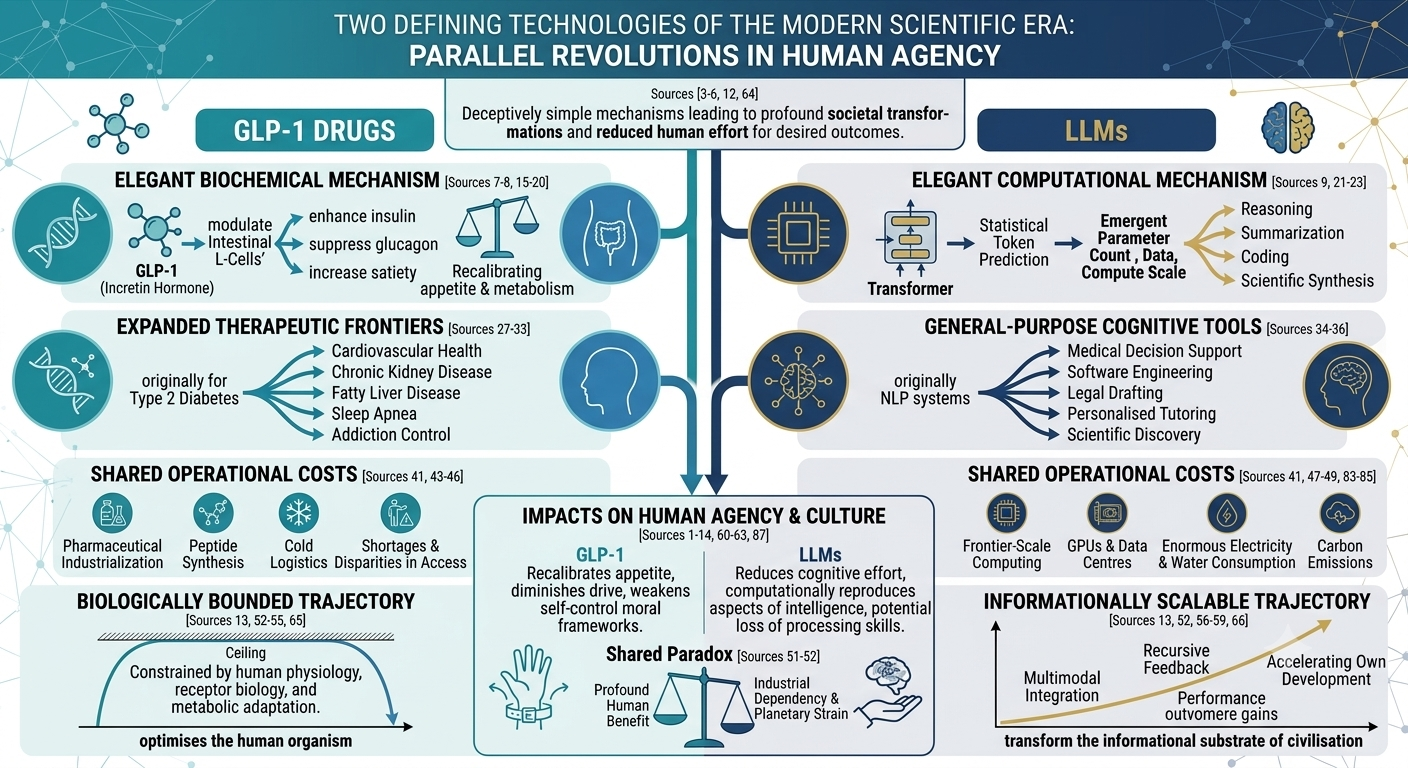
Two Defining Technologies of Our Time
Scientific revolutions often reveal more about human nature than the technologies themselves. read more

Play, Gamification, and the Coming Contest with AI
Unlike work (something we learn about later in life), play is usually voluntary. It is pursued for its own sake rather than for an external outcome. This distinction has profound psychological importance. read more

Why Science Communication Must Be Redeemed
The solutions to our global crises already exist. The real bottleneck is how scientific knowledge is communicated and acted upon before it is too late. read more

AI Does Not Solve Writer's Block. It Just Moves the Problem Somewhere Else.
AI can fill a blank page in seconds, but does it solve writer's block or just relocate its costs? A medical writer's honest assessment of AI assisted drafting. read more

Inside the FDA’s Real-Time Clinical Trial Experiment
The FDA is monitoring live clinical trial data using AI in a landmark pilot with AstraZeneca and Amgen. What real-time oversight could mean for drug development. read more
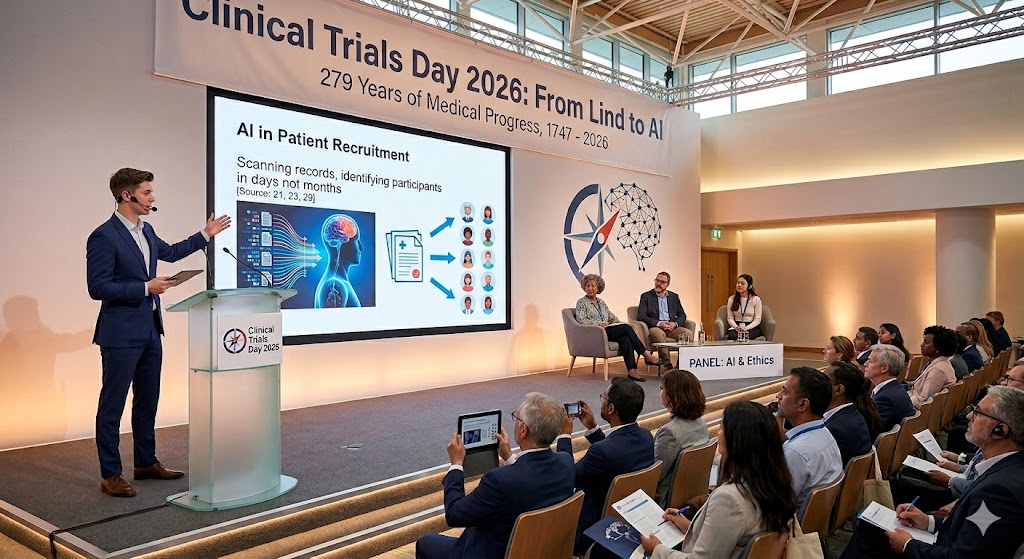
Clinical Trials Day 2026
Each year on May 20th, the global research community marks International Clinical Trials Day. read more
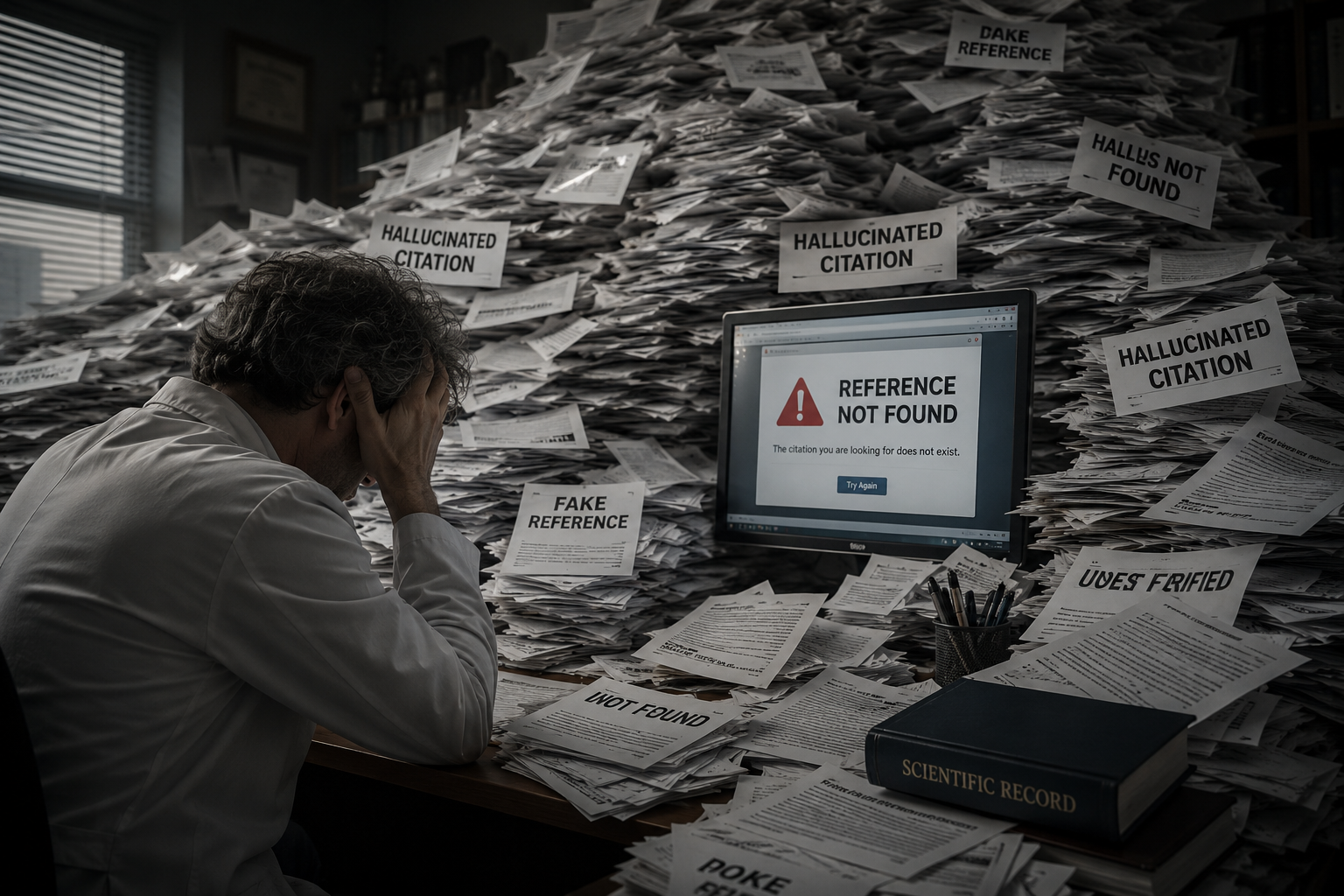
From Hand-Written Bibliographies to AI-Hallucinated Citations
Fabricated citations have grown 12-fold since 2023. A look at the Lancet audit and what the AI hallucination crisis means for scientific publishing. read more

The Investigator's Brochure Has Become a Regulated Safety Instrument. Is Your Organisation Ready?
ICH E6 R3 has reset expectations for the Investigator's Brochure. What sponsors and medical writers need to know about safety reporting in 2026. read more

The Pen vs. The Prompt: You will be judged II
AI can make your writing perfect but at what cost? A look at cognitive debt, authenticity and why the human fingerprint still matters more than flawless prose. read more
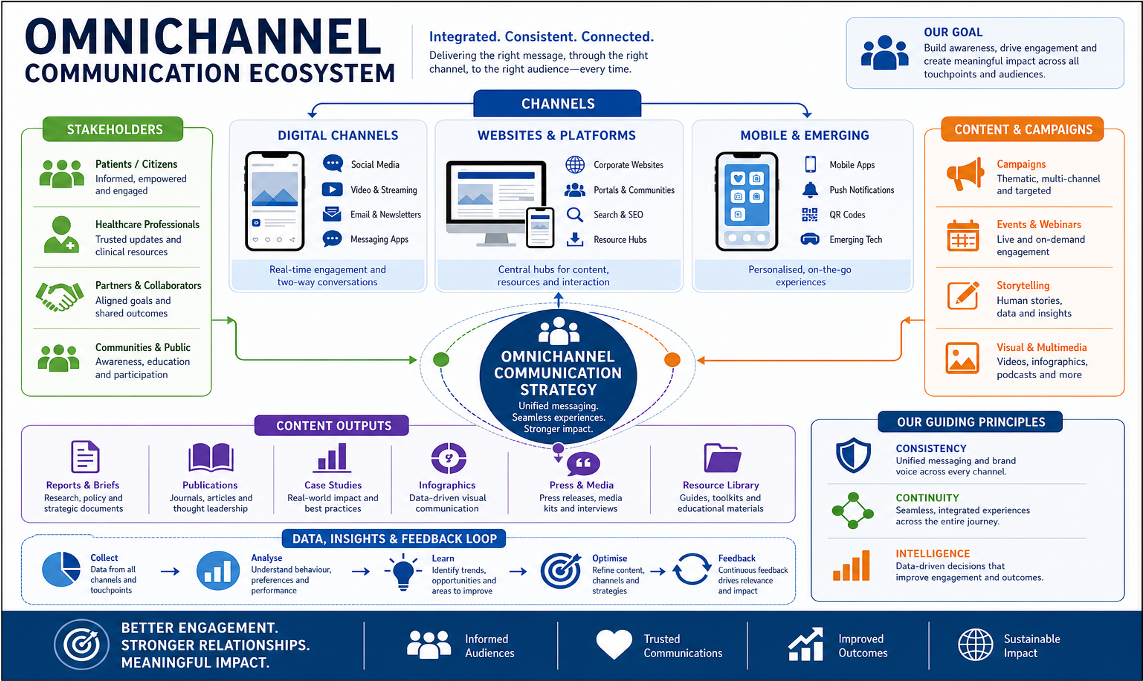
How is Innovation Shaping the Future of Health Communications?
Innovation in health communications is not about new tools. A look at AI risks, intent driven strategies and what meaningful progress actually looks like. read more
May the Fourth: Humour, Popular Culture, and Science Engagement
A pun that travels the galaxy. How Star Wars Day uses humour, awe and cultural storytelling to make science accessible and why that matters for science communication. read more
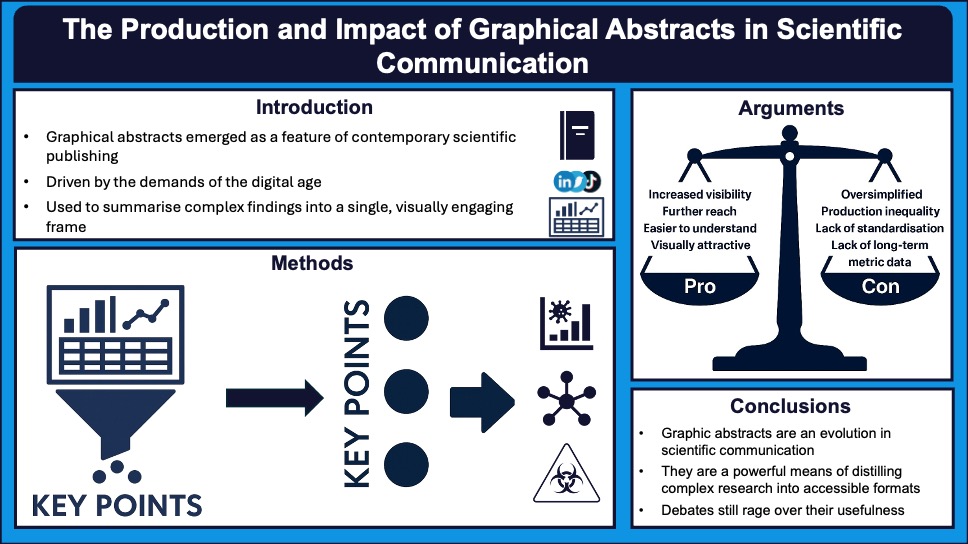
The Production and Impact of Graphical Abstracts in Scientific Communication
Graphical abstracts boost engagement but do they improve scholarly impact? A critical look at how visual abstracts work and where they fall short. read more
A New Era for UK Clinical Trials? Analysing the April 2026 Regulatory Overhaul
The UK's biggest clinical trials reform in 20 years takes effect April 2026. What the new MHRA regulations mean for sponsors and trial timelines. read more

A Shortening Shelf Life for Medical Guidance
Half of clinical guidelines are outdated within 6 years. How should medicine respond to the shrinking shelf life of medical knowledge in an AI driven world? read more
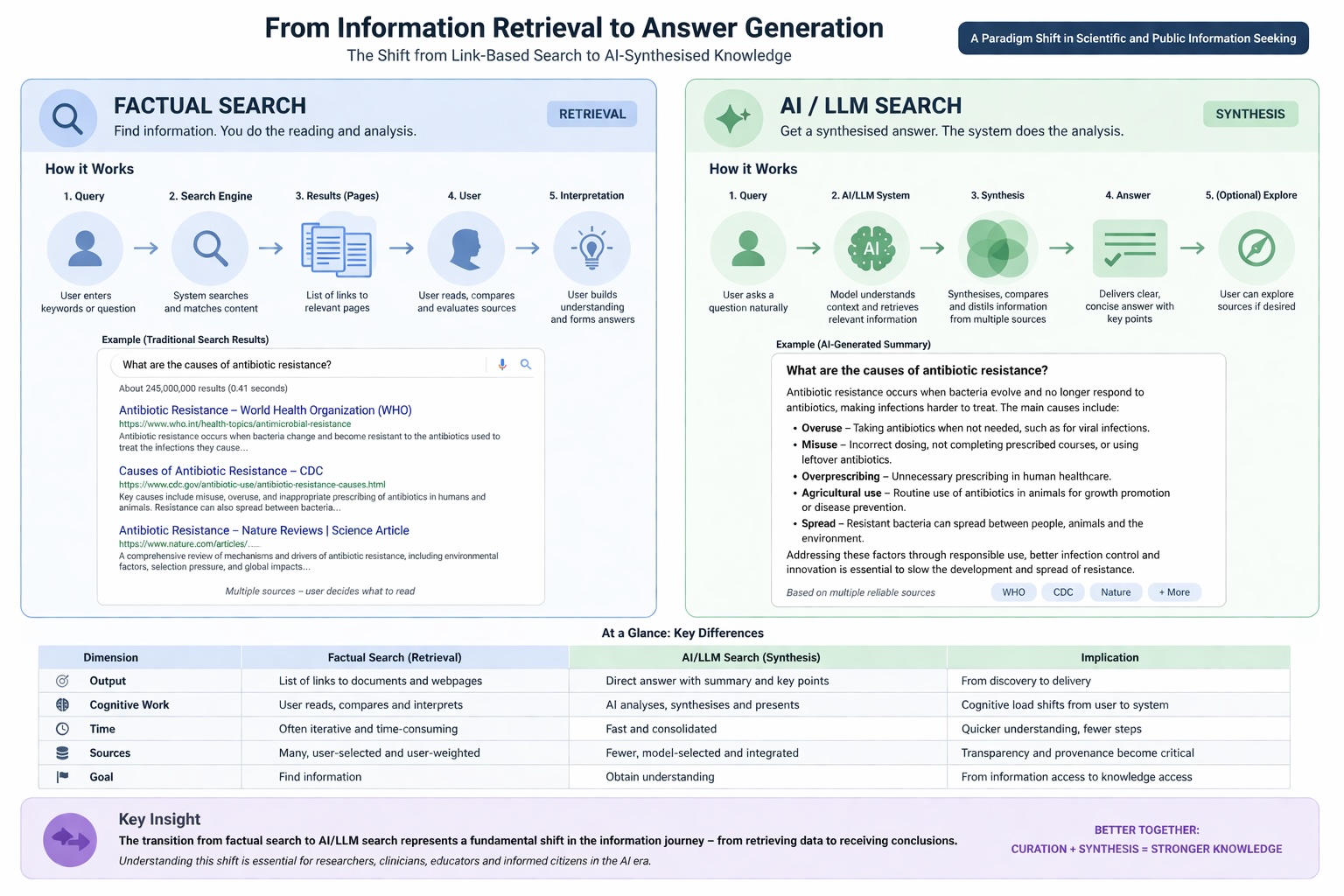
The Coming Reorganisation of Scientific Knowledge
Omnichannel is giving way to intent driven communication. What does this mean for scientific dissemination and how findings reach decision makers? read more
The Architecture of Fortune
Omnichannel is giving way to intent driven communication. What does this mean for scientific dissemination and how findings reach decision makers? read more
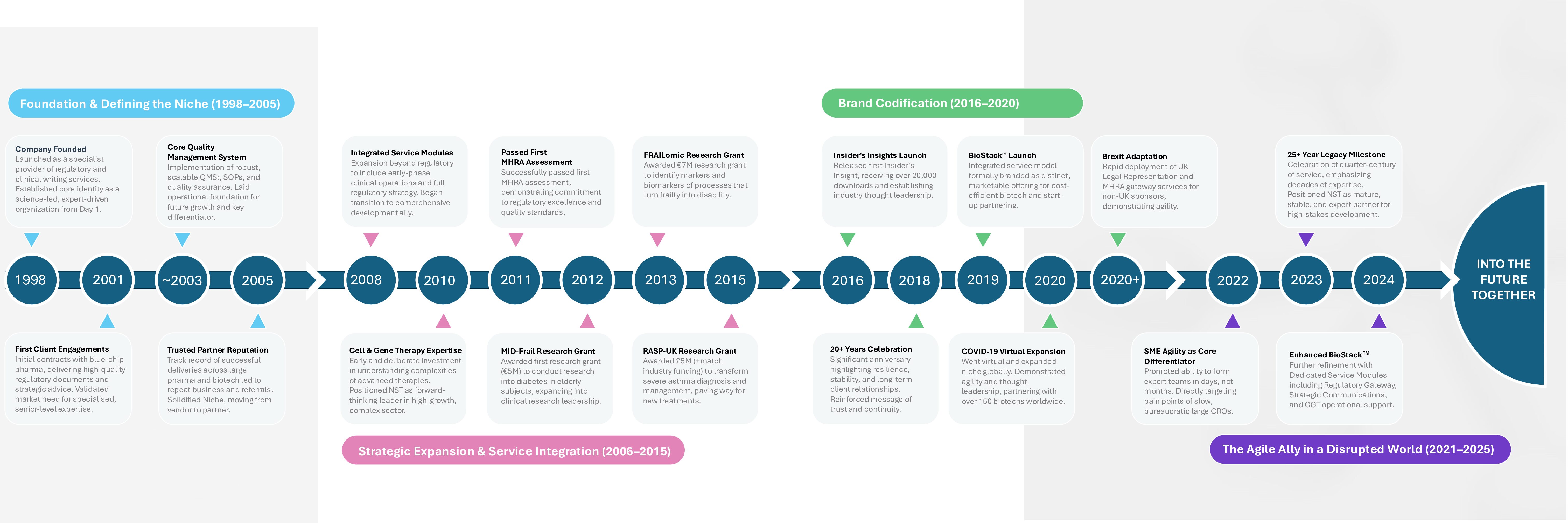
Twenty-Eight Years On: Sustaining Scientific Enterprise, Motivation, and Meaning in a Changing Workforce
What keeps a founder engaged after 28 years? Niche CEO Tim Hardman reflects on motivation, resilience and why long-term leadership can deepen rather than diminish over time. read more
Authorship, Accountability, and the Erosion of Scientific Publishing
From ghost authorship to AI, scientific authorship has changed beyond recognition. A 40 year perspective on credit, contribution and scientific integrity. read more
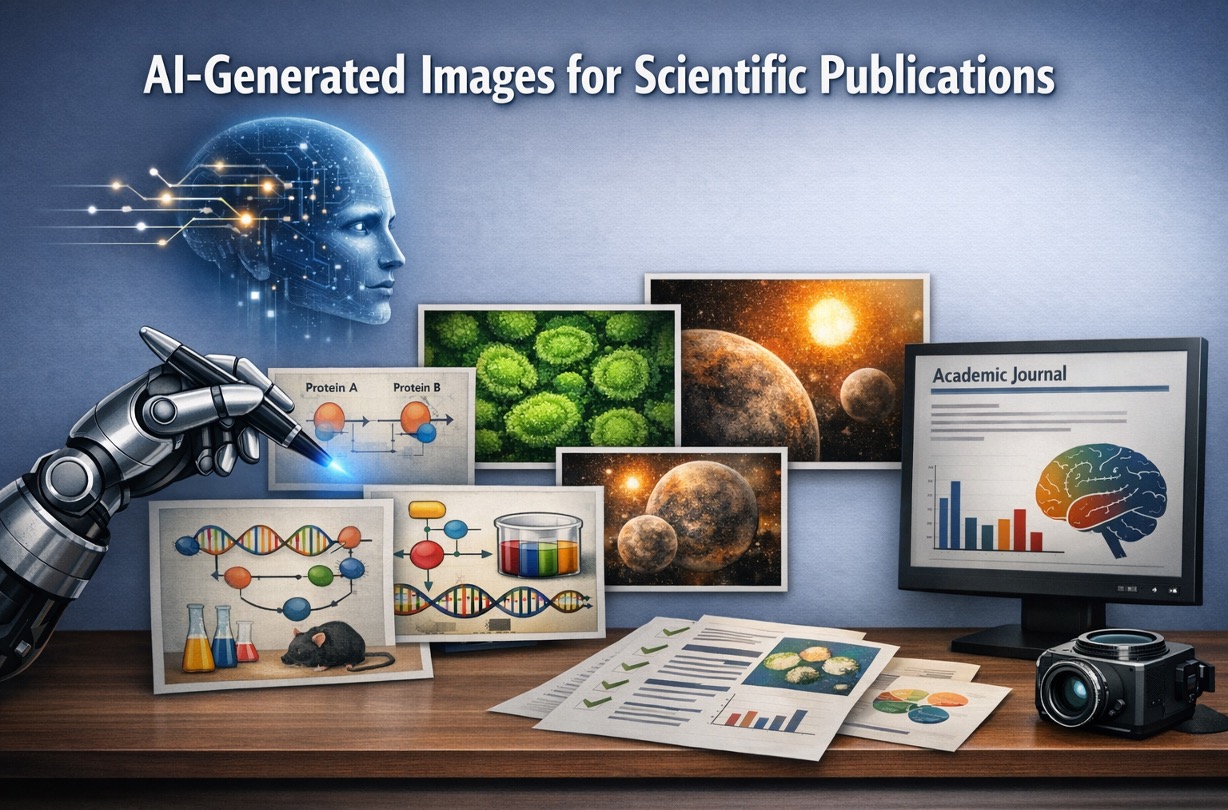
AI-Generated Figures in Academic Publishing
AI is reshaping how scientists create figures. We explore the opportunities, ethical risks and practical guidelines for responsible use in academic publishing. read more
The Limits of Genetic Medicine: Reach, Complexity, and Cost
Gene therapy has transformed care for rare diseases — but is it a scalable future for medicine? A critical look at the costs, complexity and limits of gene-centric approaches. read more
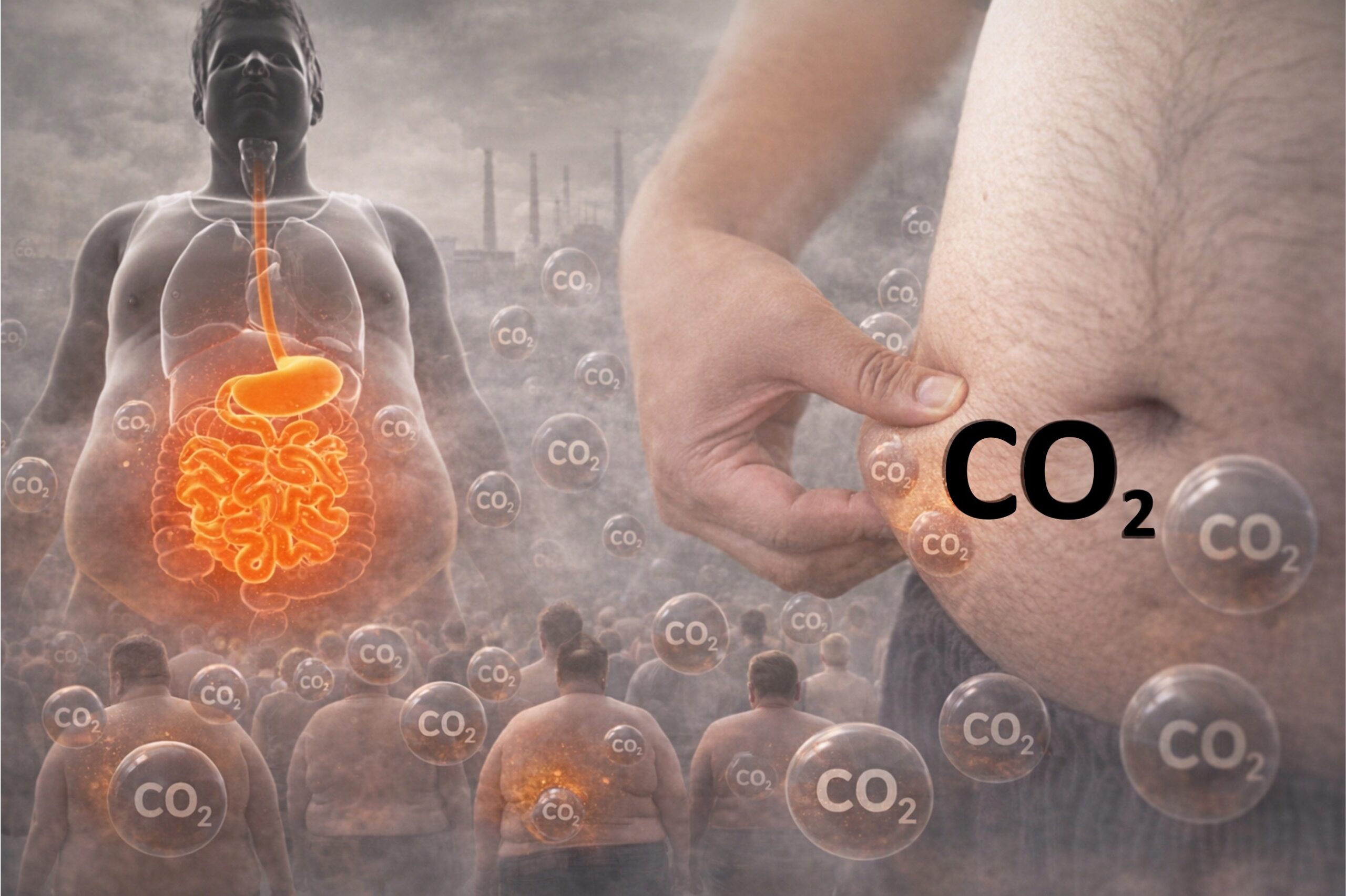
GLP-1 Climate Risks: A Metabolic Carbon Liberation Hypothesis
Could mass weight loss from GLP-1 drugs generate a measurable CO₂ pulse? We explore the carbon science behind obesity pharmacotherapy — and what it means for the climate. read more

The Perpetual Grind: Coffee, Science, and the Enduring Search for Health in a Bean
From 17th century coffee houses to modern genetic studies, discover what centuries of research really tell us about coffees health effects and modest benefits. read more

The Rise of the Instant Expert in the Age of AI
Explore how AI is reshaping expertise, creating overconfidence, and eroding critical thinking, deep reading, and true understanding. read more
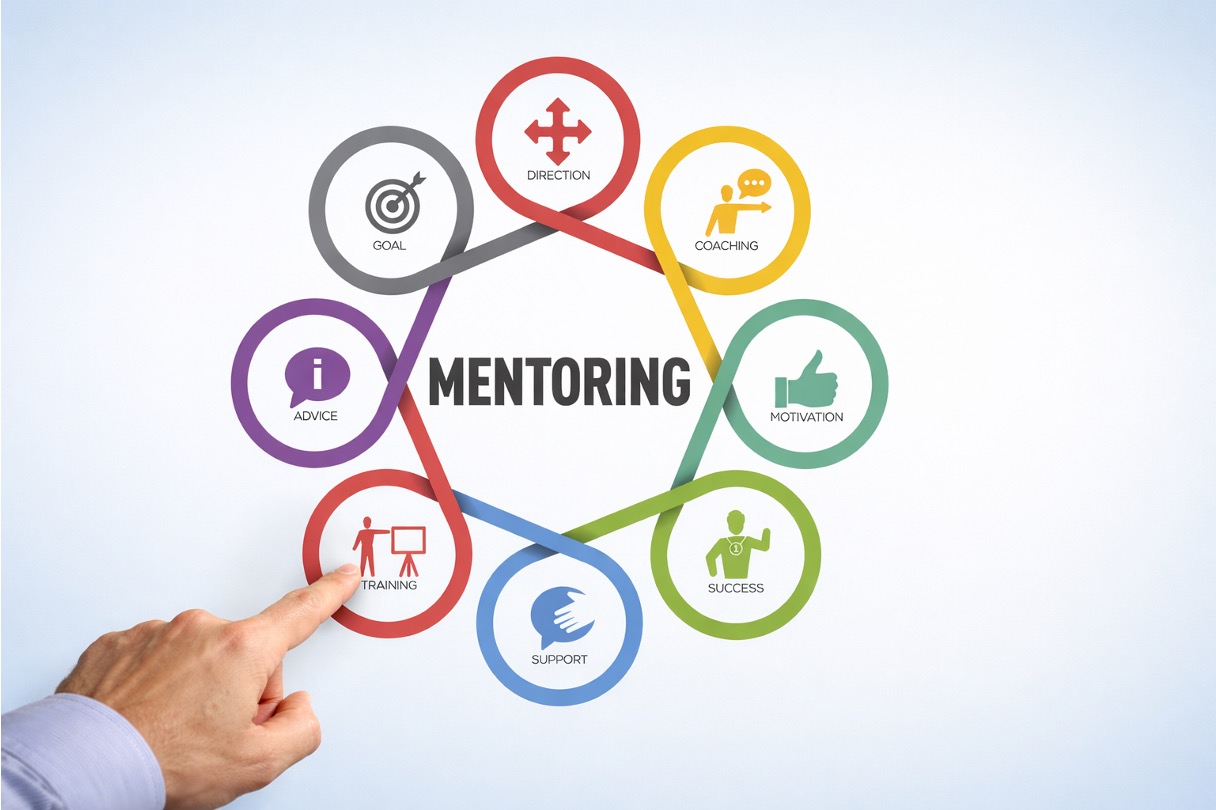
Mentorship in the Age of AI, Remote Work and Gen Z
Explore how remote work and AI are reshaping mentorship and why human connection remains essential for growth and career development. read more
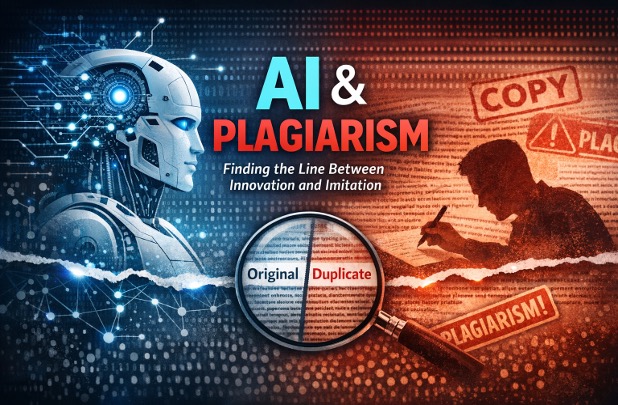
AI and Plagiarism: Rethinking Scientific Writing Ethics
Explore how AI and large language models are reshaping plagiarism, authorship and integrity in scientific writing. read more
FDA’s Plausible Mechanism Framework for Ultra-Rare Disease Therapies
How the FDA’s Plausible Mechanism Framework could transform personalised genomic therapies and treatment development for ultra-rare diseases. read more

Burnout in Pharma: Remote Work, AI and the New Workplace Stress
How remote work, AI tools and pandemic disruption are reshaping burnout in the pharmaceutical industry and what leaders must do to respond. read more
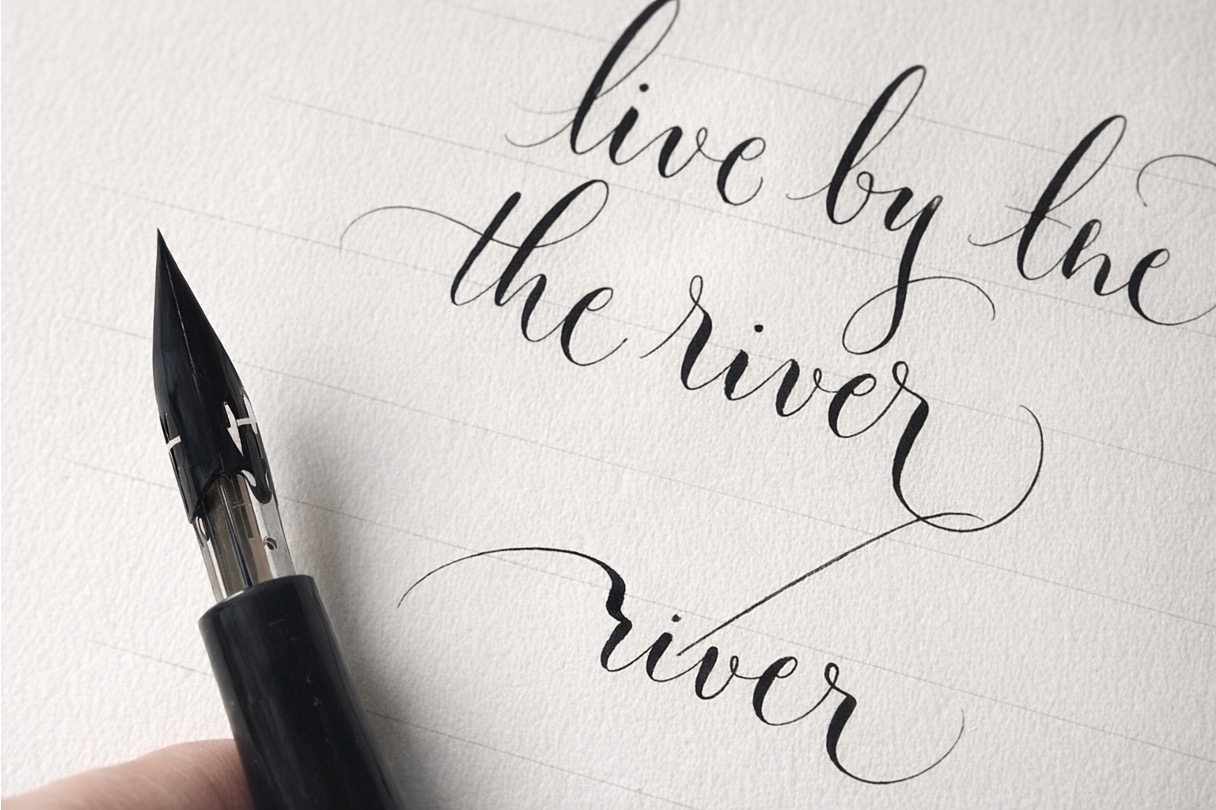
Handwriting vs Typing vs AI: What Actually Helps Us Learn?
Does handwriting improve learning compared with typing or AI transcription? Explore the science behind note taking and memory. read more
Healthy Volunteers in Clinical Trials: What Motivates Them
New EUFEMED data explains why healthy volunteers join Phase I trials and how better participant experience improves research. read more
Rare Disease Day 2026: Diagnose Faster, Treat Smarter and Listen Louder
Rare Disease Day on 28 February 2026 served as a focal point for global awareness, policy progress, scientific innovation and community engagement. read more

Daylight Saving Time and Human Biology: What the Evidence Shows
How daylight saving time affects sleep, heart health, mood, and safety. Evidence from circadian science explains why many experts support permanent standard time. read more

Minimum Viable QMS for First-in-Human Trials
A practical guide to building a minimum viable QMS for biotech companies preparing first-in-human trials, covering essential SOPs, oversight, and regulatory readiness. read more

Quotation Marks: Convention, Consistency and AI Drift
A clear guide to single and double quotation marks, American and British conventions, and common errors in academic writing. read more
The Strategic Advantages of Small CROs for Early Clinical Development
Why biotech and medical device start ups gain agility, integrated expertise, and strategic advantage by partnering with small CRO teams. read more
The Rise of Personalised Gene Therapy: a 30-year perspective
From early clinical trials to Strimvelis, a journey through personalised medicine, gene therapy and the future of precision drug development. read more

Comparison of Modern Medical Writers, Shakespeare, and ChatGPT
Let’s compare three distinct writers, modern medical writers, William Shakespeare, and ChatGPT. read more

The staggering extent of paper mills in cancer research
A BMJ study finds nearly 10 percent of cancer research papers may be linked to paper mills, raising concerns about research integrity. read more

Artificial Science in a Post-Intelligence Crisis: The Storm in Medical Publishing
Paper mills, AI fraud and a broken peer review system are threatening the scientific record. A look at the publishing integrity crisis and what can be done. read more

AI: Solving a Problem That Doesn’t Exist
When trial findings are not reported the resulting gaps in the scientific record distort evidence synthesis, misdirect clinical decision-making, and erode public trust in research. read more

The Enduring Problem of Under-Reporting
When trial findings are not reported the resulting gaps in the scientific record distort evidence synthesis, misdirect clinical decision-making, and erode public trust in research. read more

Love, Leadership, and Life Sciences
Valentine’s Day tomorrow offers the opportunity for a familiar narrative about matters of the heart. read more
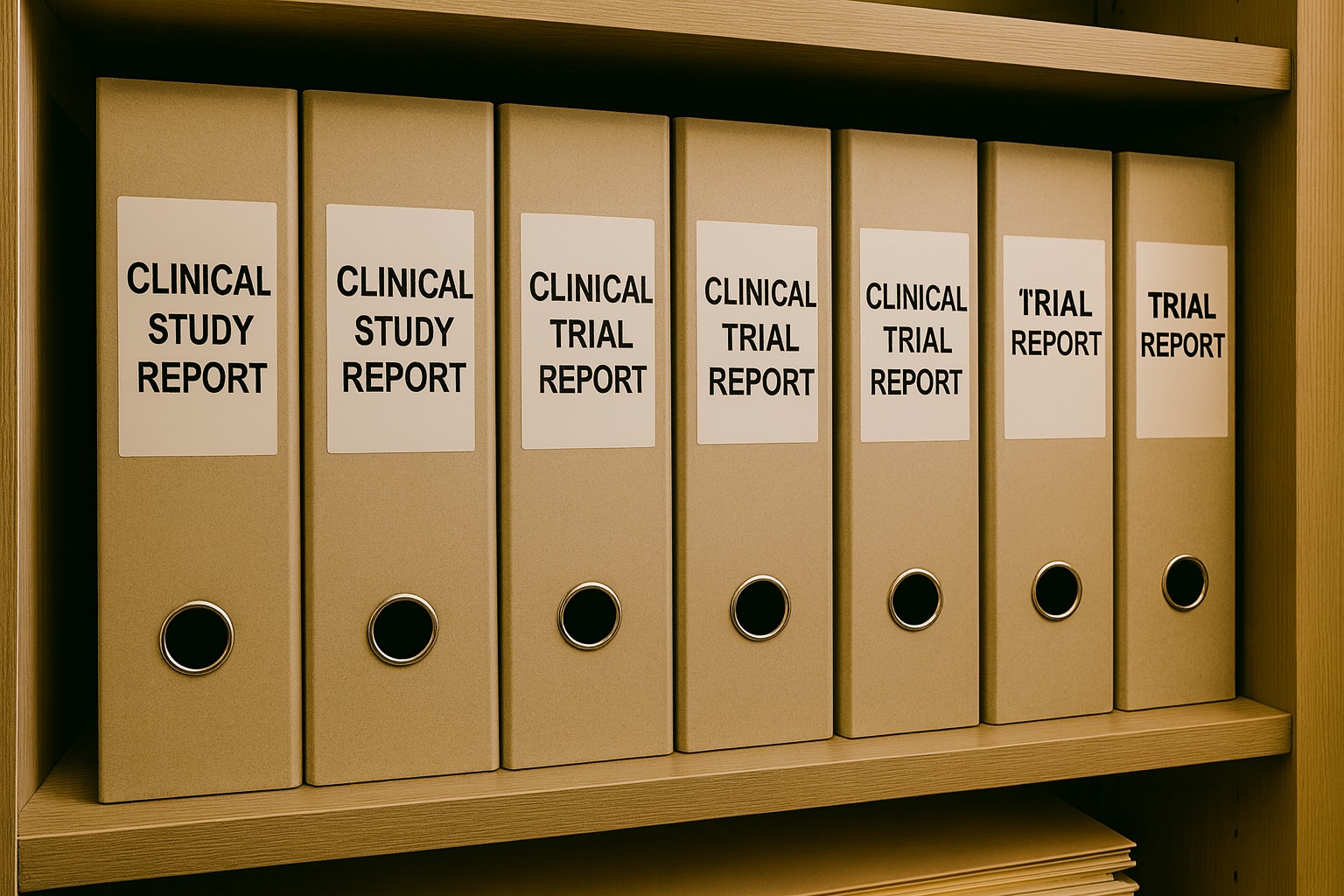
Why Clinical Trial Report?
Under existing regulatory frameworks, clinical study report is the established term used globally, particularly grounded in ICH E3 read more

Lessons on Submitting Biomedical Manuscripts
Struggling to submit your manuscript? Practical guidance on journal selection, abstracts, peer review and overcoming submission block. read more

The Growing Role of Patient-Reported Outcomes in Clinical Study Reports
The world's first human COVID challenge trial has been given the green light read more

Increasing Complexity of Clinical Study Reports
The world's first human COVID challenge trial has been given the green light read more

MS Outlook: Between Mastery and Servitude
For many of us, Microsoft Outlook has become not just an application but an organising principle for life. read more

The European Biotech Act: Implications for Early Clinical Pharmacology and Phase 1 Industry in Europe and the UK
Discover how artificial intelligence is affecting medical writing, where its limits lie, and why human judgement remains critical for quality and accountability. read more

Write Like an AI
If writing were merely a word optimisation problem, a contest of order, fluency, and speed—then the machines already have us beat. read more

Medical Writing 2026: Adapting to AI and Rising Complexity
Explore how artificial intelligence, economic pressure, and regulation are transforming medical writing, and what this means for quality and accountability. read more

The Future of Drug Development: Data, AI, and Clinical Trials by 2050
Explore how data, AI, and real-world evidence are transforming drug development and clinical trials, and what the pharma industry could look like by 2050. read more
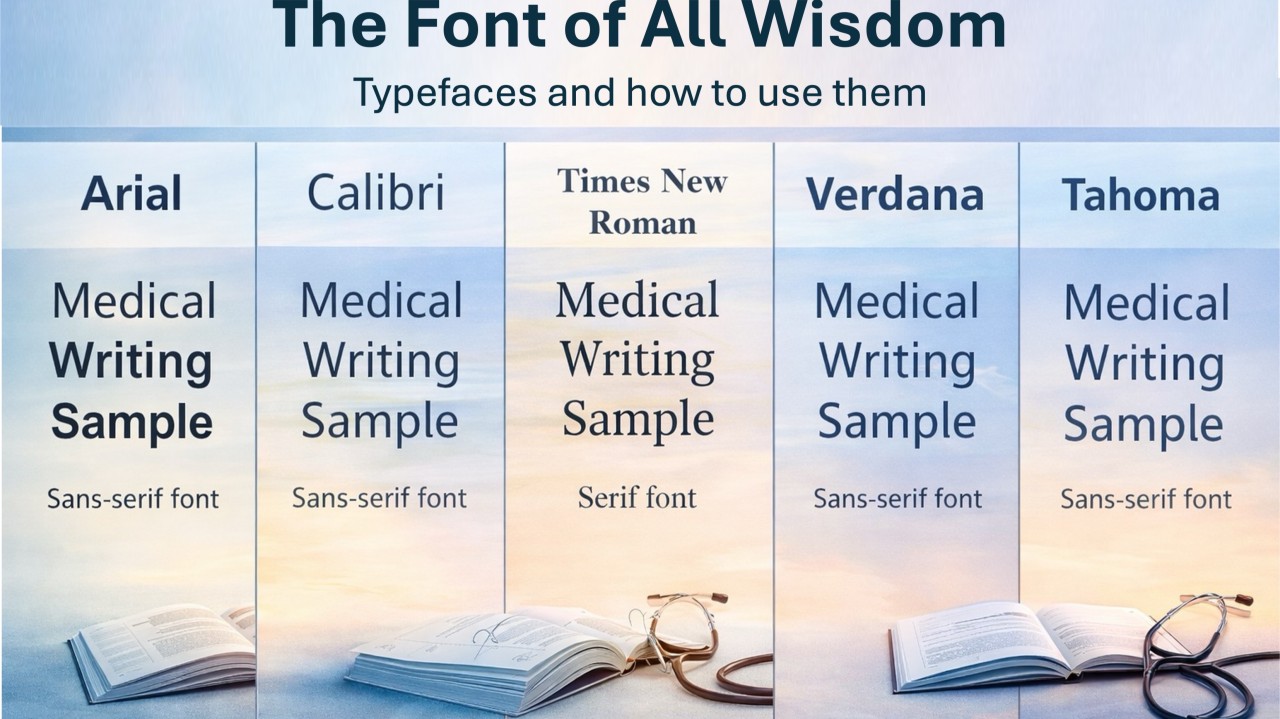
Typefaces, Fonts and Features
Even when font choices are restricted, understanding the communicative power embedded in typography allows us to make more deliberate, reader-centred decisions that enhance clarity, professionalism and message impact read more
2025 in Review: Ten Medical Breakthroughs
From lithium and Alzheimer's to AI diagnostic reasoning, 2025 delivered remarkable progress. A roundup of the year's most significant biomedical discoveries. read more

The Curse of the New Year’s Resolution
Around this time every year, millions of us participate in a shared ritual of optimism: the setting of New Year’s resolutions. read more

Paracelsus and the Origins of Modern Science
How Paracelsus helped shape modern scientific thinking through observation, toxicology, and early chemical medicine. read more
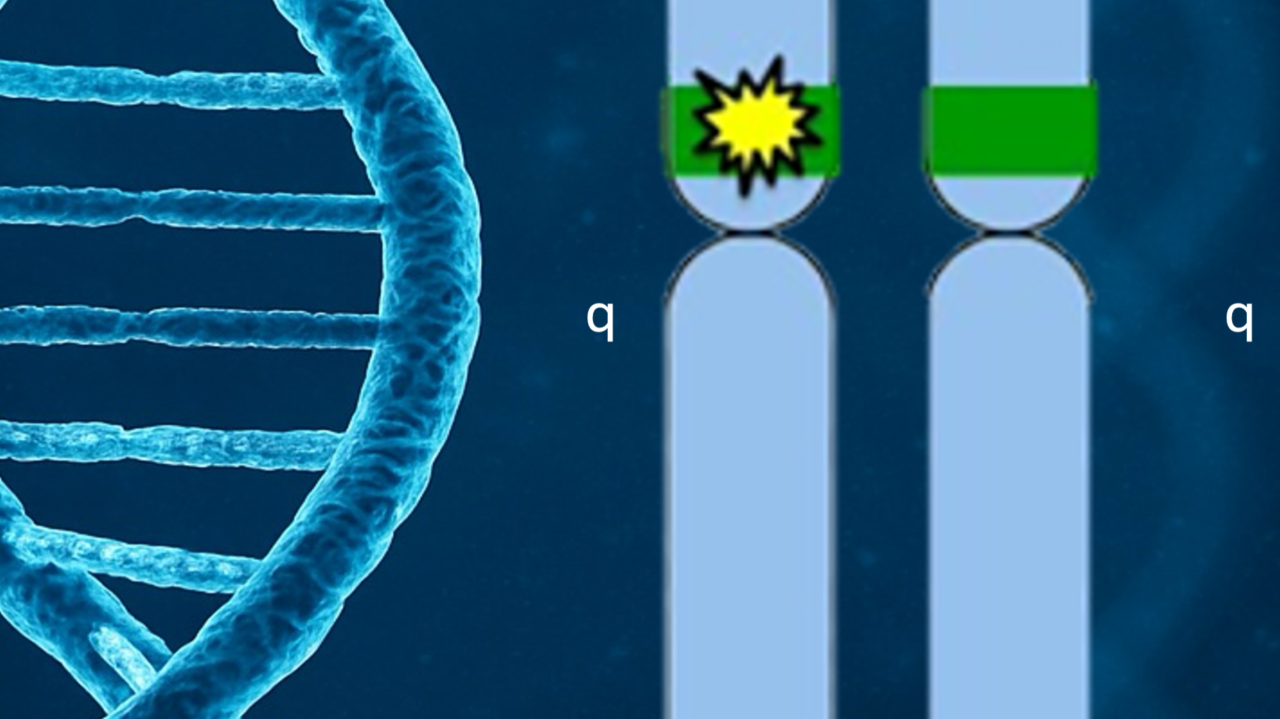
From a Living Hell to a Licensed Therapy: Niche's Role in the Approval of Waskyra
The EMA has approved Waskyra for Wiskott Aldrich Syndrome. A personal reflection on Niche's decade long role in this gene therapy's development. read more

Medical Writing vs Artificial Intelligence: Threat, Tool, or False Debate?
Discover how artificial intelligence is affecting medical writing, where its limits lie, and why human judgement remains critical for quality and accountability. read more
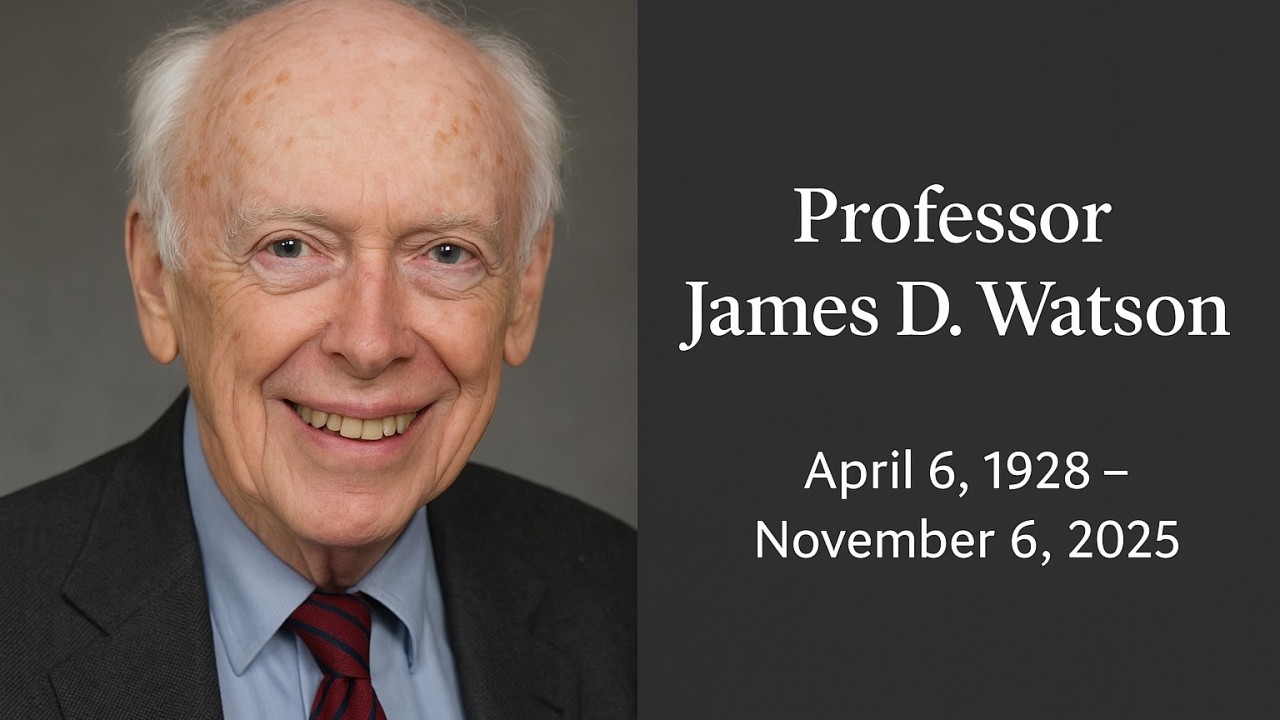
Remembering Professor James D. Watson: Legacy, Discovery and Controversy
An exploration of James D. Watson, his role in the discovery of DNA’s structure, and the lasting impact and controversy surrounding his scientific legacy. read more

Medical Mischief of Fireworks
Fireworks are magnificent but they burn, deafen and pollute in equal measure. A clinical look at the injuries, toxins and systemic health effects of pyrotechnics. read more

Fright here, fright now
Chronic overwhelm is the real workplace horror. A look at the cognitive science of workplace fear, multitasking overload and why delegation is the antidote. read more
The AI Mirage: Pharma’s Costly Fascination
Over the last two years, few topics have captivated the pharmaceutical industry as completely as artificial intelligence (AI). read more
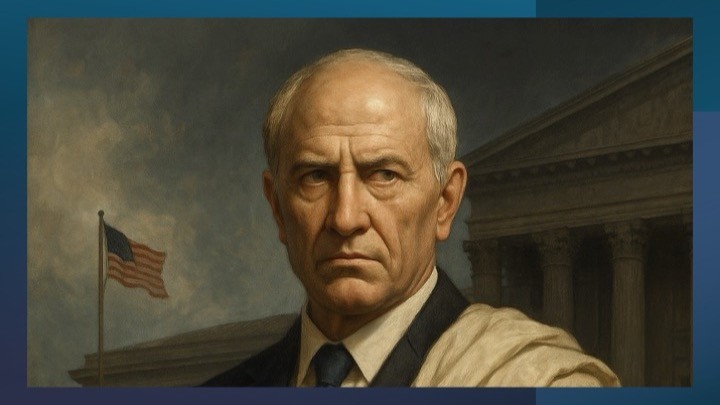
Marcus Tullius Cicero: A Voice for an Age of Populism
It is generally acknowledged that one should not discuss politics on professional social media. History, however, is apparently fair game. read more
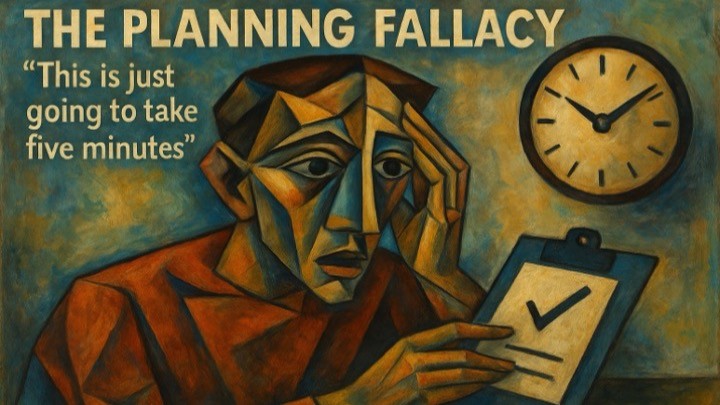
Just 5 minutes... torpedoed planning
The planning fallacy, refers to the systematic tendency to underestimate task completion times, even when individuals have previously undertaken similar projects. read more
Scientific Documentation: Mindful Archives vs. Instant Access
Tim Hardman reflects on how information storage and access have changed over 40 years, contrasting mindful archiving with instant digital retrieval. read more
Meaningful Conversations: How and Why They Matter
How meaningful conversations build trust, improve wellbeing, and why authenticity matters more than ever in a digital-first world. read more
Are You Visually Literate?
Parallel to the rise of visual culture has been a decline in deep reading and a reduction in sustained attention, often framed as a societal 'dumbing down'. read more

Content-Driven Irritation:AI Slop and Shallow LinkedIn Content
How the digital age has transformed the way we communicate, share information, and consume content. read more
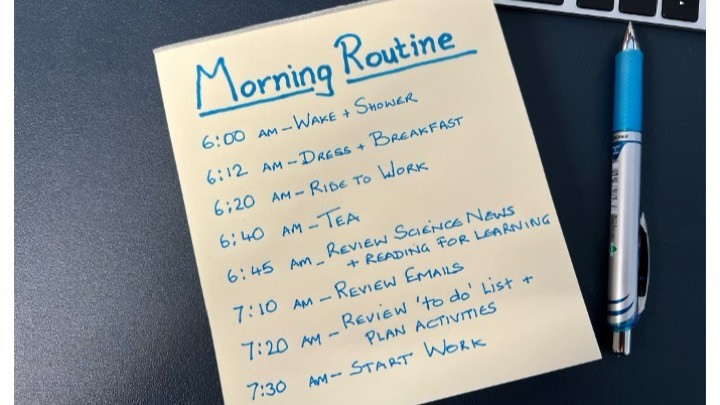
Why Routine Might Be Your Most Powerful Tool
Routines are more than habit. A look at the cognitive science behind why structured routines reduce decision fatigue, combat procrastination and support creativity. read more
Multitasking: Myth not Miracle
Most people who multitask are just switching tasks rapidly. The cognitive science behind multitasking, supertaskers and smarter ways to manage workload. read more
Is Disruptive Science in Decline?
Scientific output has never been higher, yet truly disruptive discoveries appear to be declining. A look at why breakthrough science is becoming harder to achieve. read more

Listening is a Superpower
Active listening is more than being polite. A look at the neuroscience behind listening, why most of us do it badly and how to genuinely improve at it. read more
Spoken Spells: The Power of Words
From Dune's Voice to modern marketing, words shape perception more than facts do. A look at the psychology of language and why power words are so effective. read more

Wheeled Tyranny
The wheeled suitcase was a brilliant invention. It also enables overpacking, disrupts pedestrian flow and causes thousands of injuries a year. read more
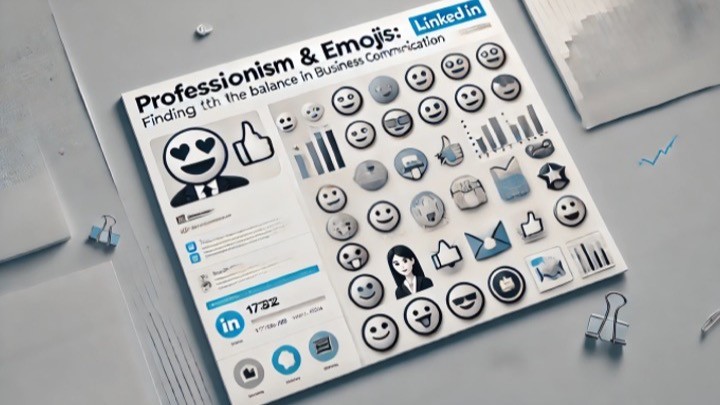
The Rise of Emojis (again)
Small digital icons representing emotions, objects, or concepts, have emerged as a tool to compensate for (what some people would say is) the tonal limitations inherent in text. read more
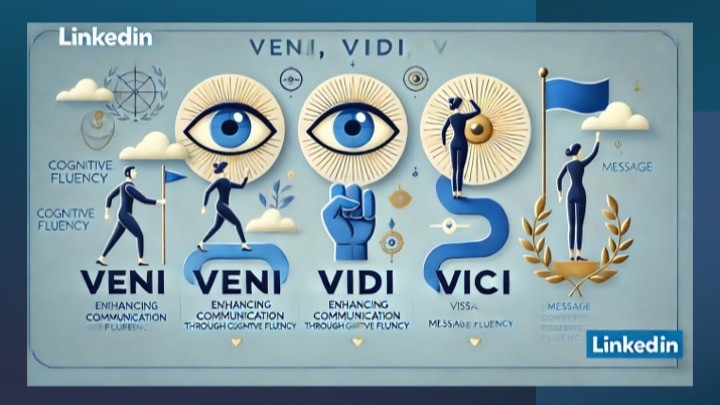
Enhancing communication
The use and efficacy of rhyme are so rooted in communication that the effect has been widely studied in psychology and linguistics, revealing its impact on advertising, politics, legal rhetoric, education, and everyday communication. read more
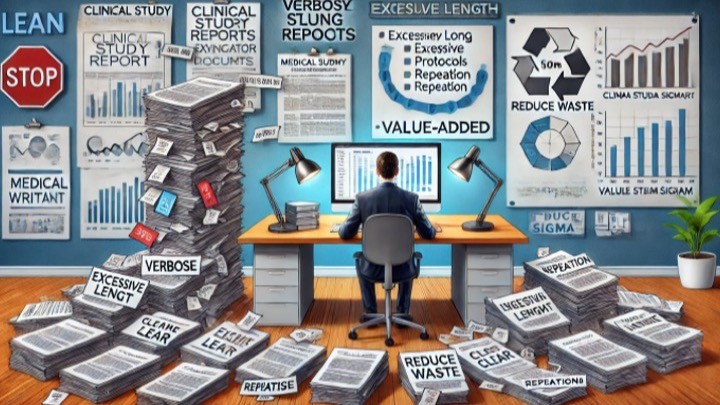
Lean Medical Writing: Improving Clarity and Efficiency in Regulatory Documents
Learn how lean medical writing improves clarity, reduces regulatory document length, and helps reviewers understand clinical data faster. read more
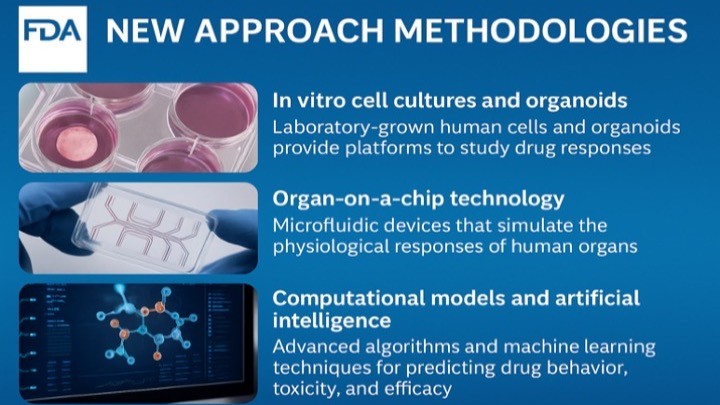
FDA Adopts Groundbreaking Thinking
In a landmark shift, the US Food and Drug Administration (FDA) has announced plans to reduce its reliance on traditional animal testing requirements in drug development. read more
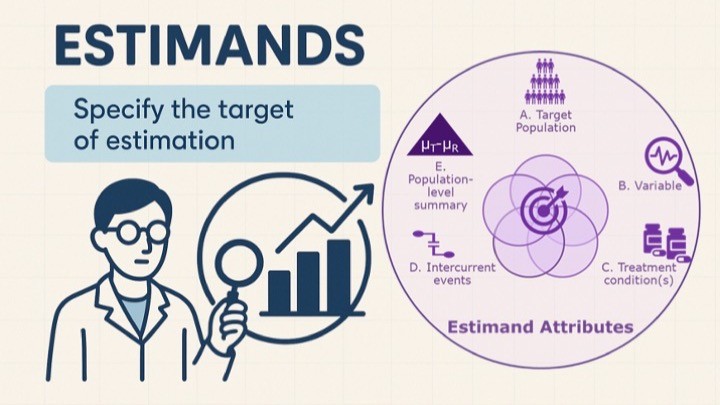
The Estimand Framework in Clinical Trials: Why It Matters
Learn how the estimand framework improves clarity in clinical trials, how intercurrent events are handled, and why ICH E9 (R1) matters for regulators. read more

The Curmudgeon Conundrum
Is the perception of declining standards just curmudgeon bias, or is something genuinely eroding in science and pharma? A look at the evidence. read more
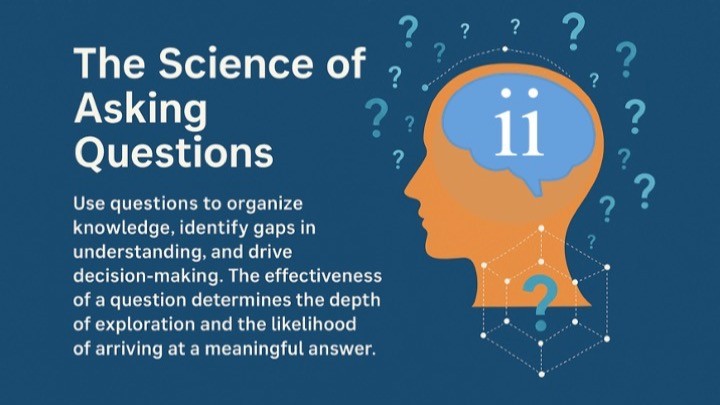
Asking questions
We use questions to organise knowledge, identify gaps in understanding and drive decision-making. The effectiveness of a question determines the depth of exploration and the likelihood of arriving at a meaningful answer. read more
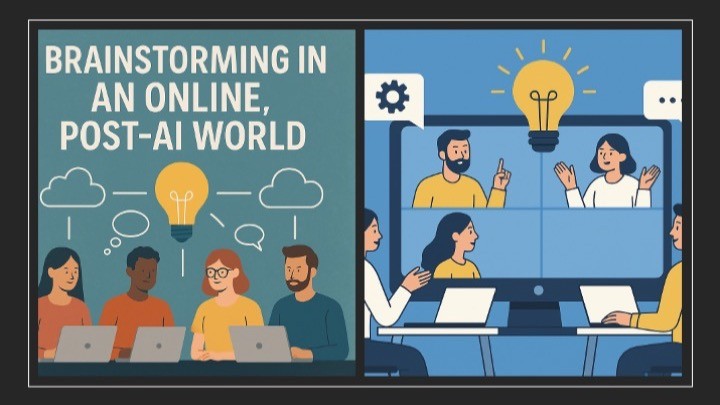
Brainstorming in an online, post AI world
Brainstorming has long been regarded as an essential component of creative problem-solving, particularly in collaborative environments. read more

The Science of Feedback
We all hate criticism. Even when well-meaning, it can be difficult to accept. Yet feedback is a cornerstone of learning, growth, and professional development. read more

Picture This
The power of images lies in the fundamentals of human nature; we are wired to notice, remember, learn from, and respond emotionally to visuals. read more

The Science of First Impressions
Meeting new people and telling them about our great company always reminds me how much first impressions matter. read more

Your Monitor’s Impact on Productivity
Screen size, resolution, refresh rate and positioning all shape productivity and comfort. A practical guide to choosing and setting up your monitor properly. read more
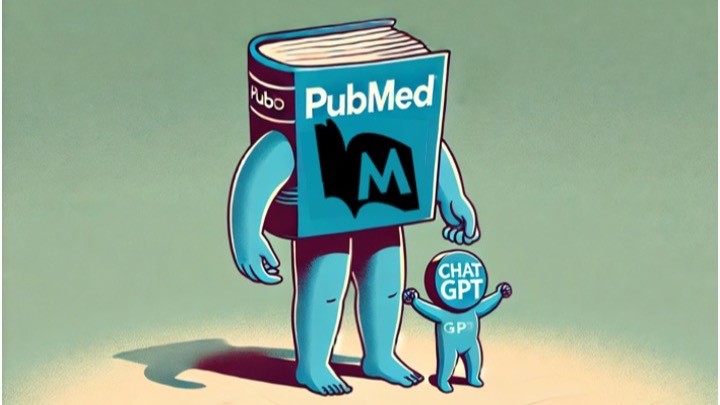
Artificial Intelligence vs. PubMed: The Future of Literature Searching
Can AI replace PubMed? Compare the speed of LLMs with the precision of traditional databases in medical writing and scientific research. read more
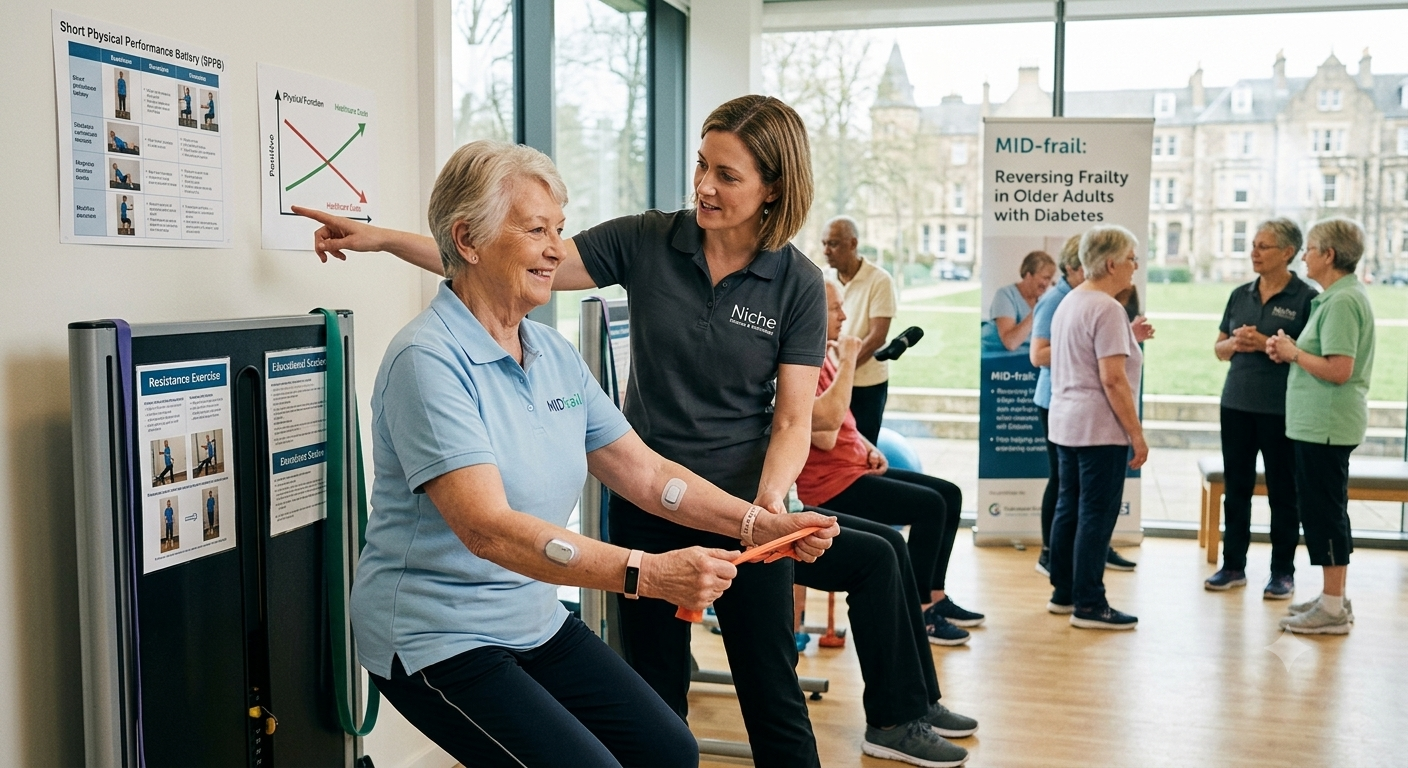
The Second MID-Frail Publication: Demonstrating That Frailty in Older Adults with Diabetes Can Be Reversed
The Second MID-Frail Publication: Demonstrating That Frailty in Older Adults with Diabetes Can Be Reversed read more
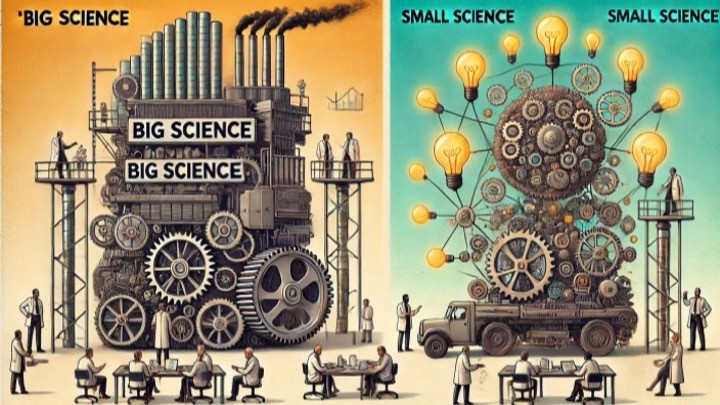
Big Science Verses Smart Questions
Is bigger always better in research? A clinical scientist's perspective on big science vs small science — and why modest budgets often drive the most surprising discoveries. read more
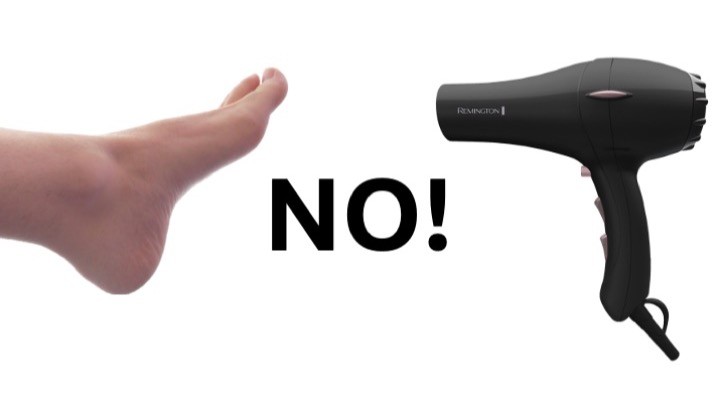
Hairdryers: Microbial Spread, Public Health, and Societal Implications
Unlike hand dryers, which are generally confined to bathrooms, you commonly find hairdryers in communal changing rooms for gyms, pools, and spas, where they pose a unique and underappreciated public health challenge. read more

Resisting praise
We all love a bit of praise, but we are not always very good at accepting it. In fact, praise can make us feel surprisingly uncomfortable. read more
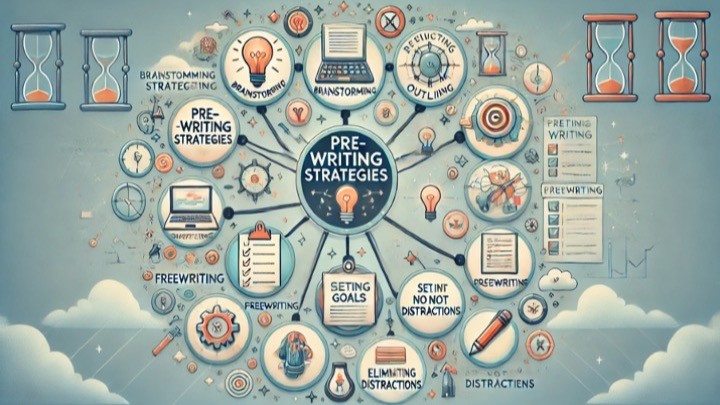
A Guide to Pre-writing Strategies for Optimal Outcomes
Struggling with scientific writing? Discover evidence-based strategies to beat procrastination, structure your work and write with more focus, confidence and ease. read more
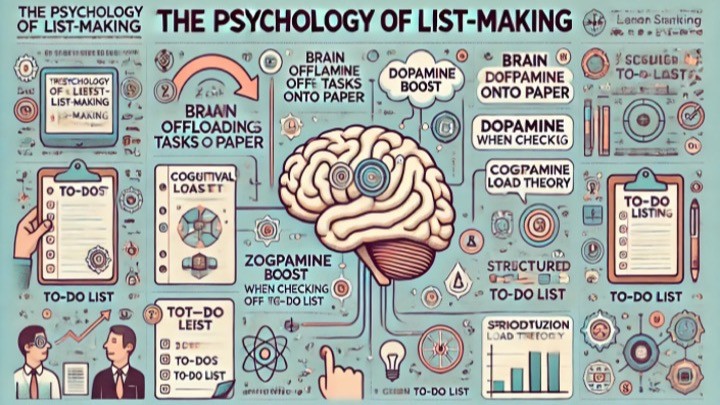
The Psychology of Lists
List making reduces cognitive load, triggers dopamine and helps manage anxiety. A look at the psychology behind why lists work and how to use them more effectively. read more

Ted Lasso - lessons for success and fulfilment
The pandemic reshaped daily routines in countless ways, not least of which was the rise of binge-watching television series. read more
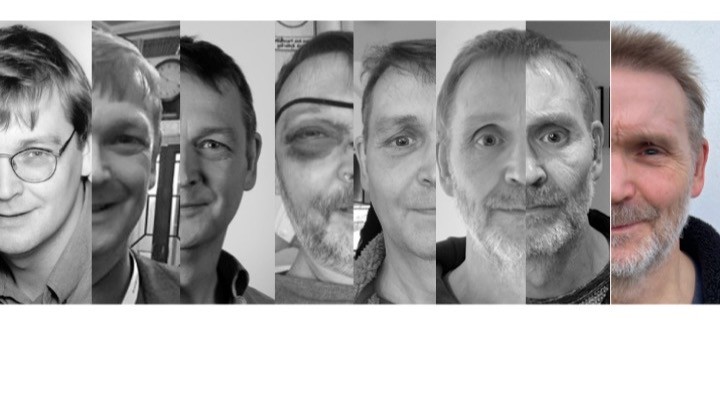
Keep your LinkedIn profile picture up to date: A cautionary tale
An outdated LinkedIn photo can undermine trust before you say a word. Why keeping your profile picture current matters for professional credibility. read more

Why Stability Testing Can Make or Break Your Clinical Trial Application
Stability data is a common source of regulatory deficiencies in clinical trial applications. A practical guide to ICH requirements and shelf life planning. read more

Out-of-Office
Turning on your out of office feels risky when you run a small business. How to flip holiday absence from a source of anxiety into a social opportunity. read more
Repurposing drugs for COVID-19 complications
A fascinating science news story hit the headlines in the last 24 hours, that a common over-the-counter ingredient in many cough syrups may have a greater purpose for people suffering from lung fibrosis that is related to any number of serious health conditions. read more

Clinical Trials Are Getting More Complex. That Is Why More of Them Are Failing.
Clinical trial complexity has risen over 10% in a decade, driving longer timelines and higher failure rates. A look at what sponsors can do about it. read more
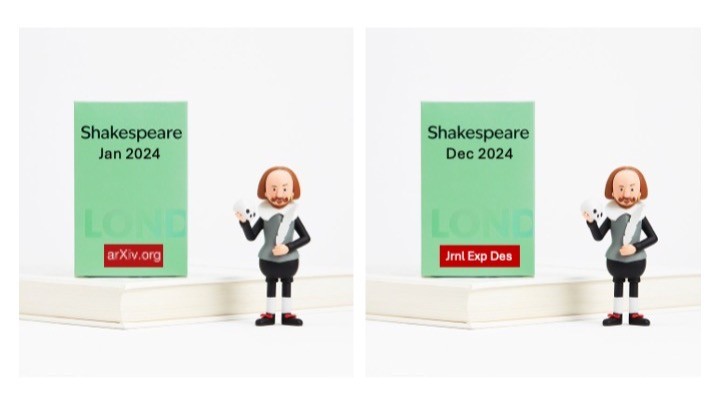
To pre-print or not to pre-print
Should you post your research as a preprint? A balanced look at the visibility benefits, peer review concerns and reputational risks authors need to consider. read more
What have fireworks meant for health?
Experimentation with the components of the traditional firework contributed to the development of analytical methods that chemists later refined to determine precise measurements and formulations. read more
Are Science Publishers Monster Predators?
Predatory journals feed off scientific research. A Halloween look at the monsters lurking inside academic publishing and who the real predators are. read more
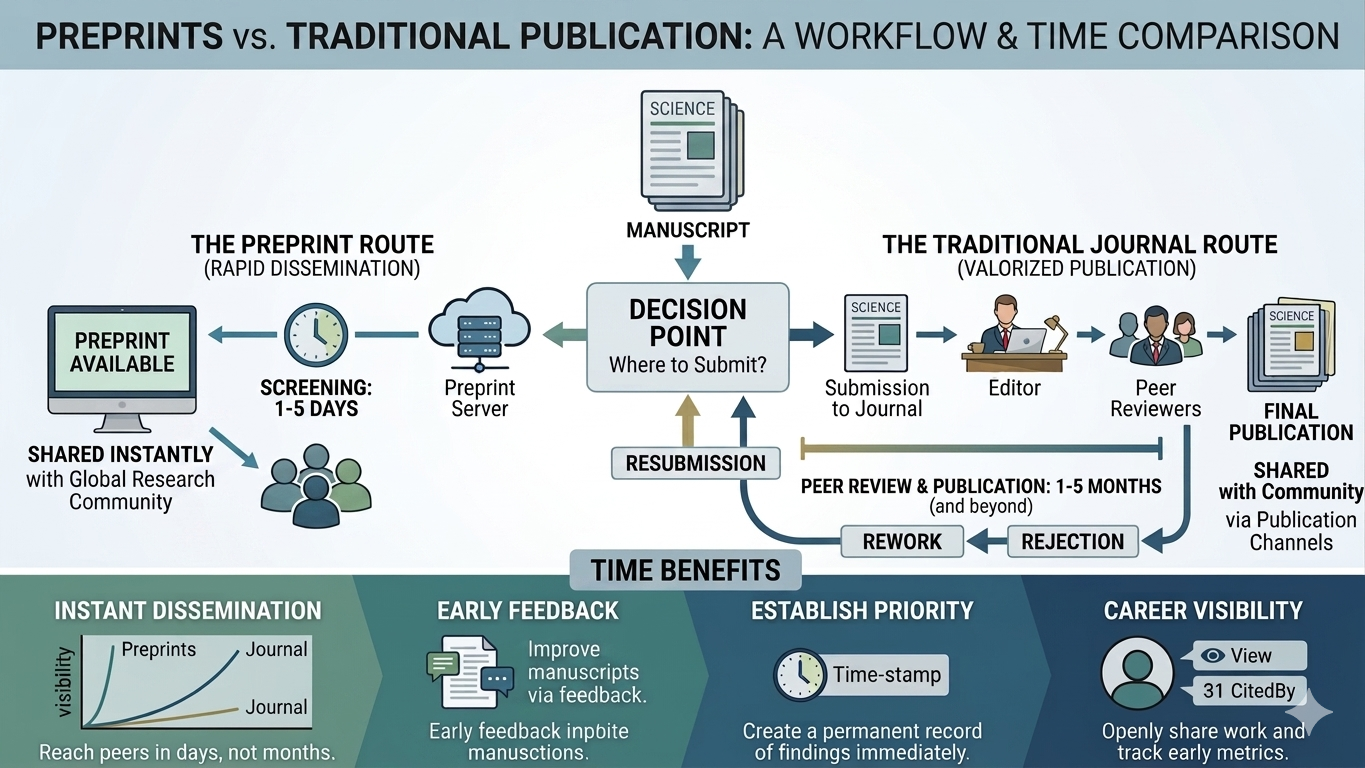
Pros and Cons of Preprints
Preprints offer speed and visibility but come without peer review. A clear guide to what preprint servers are, how journals view them and whether you should use one. read more
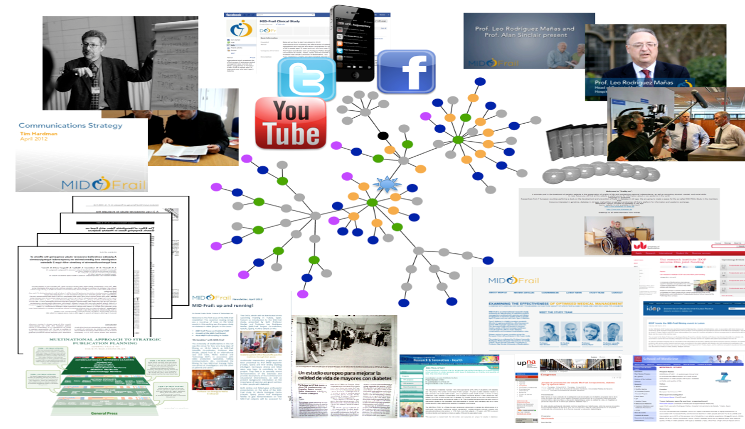
Beyond the Scientific Journal
The future of science communication appears to be becoming progressively less dependent on traditional journals and more reliant on direct, rapid, visual, and socially mediated forms of communication. read more
Artificial intelligence: Pandora's box?
ChatGPT is reshaping medical writing and scientific communication. A critical look at the benefits, limitations and risks of AI in research and healthcare. read more
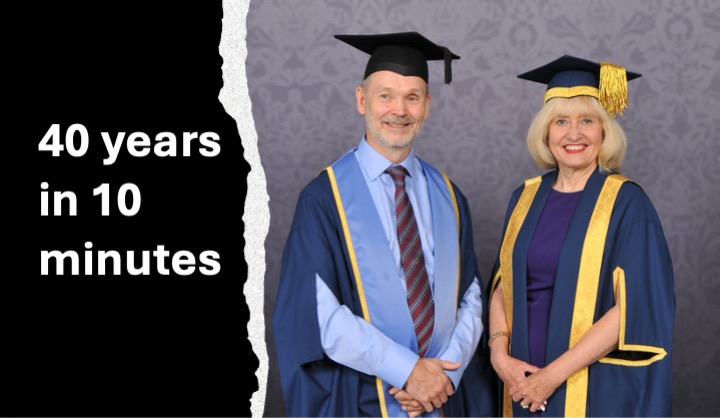
Honorary Fellowship
Congratulations class of 2024. That was all I needed to hear when I stood in your shoes almost 40 years ago. 40 years read more
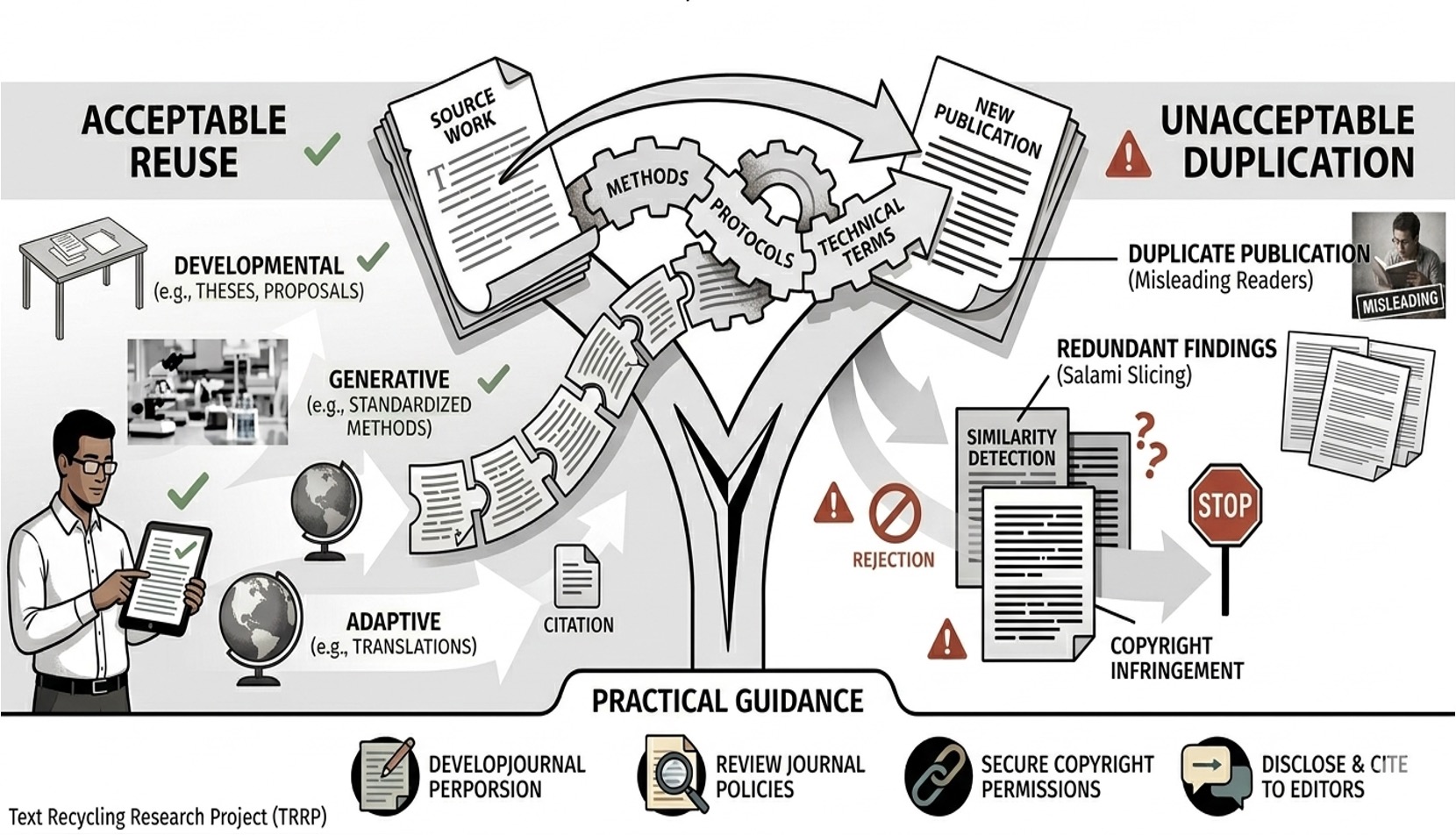
Text Recycling: Evolving Norms, Ethical Boundaries and Practical Guidance
Reusing your own text is not the same as plagiarism, but it is not unrestricted either. A practical guide to acceptable text recycling in scientific publishing. read more

Love: an AI's inquiry into the essence of human connection
We recently encouraged writers (of all kinds) in our recent Insider’s Insight to experiment with large language artificial intelligence (AI) models when drafting their documents read more
The Evolution of Patient Voice
For much of the twentieth century, patients in clinical research were positioned primarily as subjects of experimentation rather than active partners read more

Tis the season to be sciencey... fa-la-la-la-laa…
The festive season is upon us again. read more
Phase 1’s future in the UK
Phase I is the lifeblood or new medicines. The UK’s Phase I representative body, read more

Metathesiophobia: from preclinical to clinical development
Having worked in early-stage clinical pharmacology for over 30 years read more
Paraskevidekatriaphobia or triskaidekaphobia
Paraskevidekatriaphobia is a phobia of Friday the 13th. Yes, they actually gave it a name. read more

Investigator-Initiated Clinical Trials: Benefits and Challenges
Understand the advantages and challenges of investigator-initiated clinical trials, including funding constraints, regulatory burden, and practical requirements for success. read more
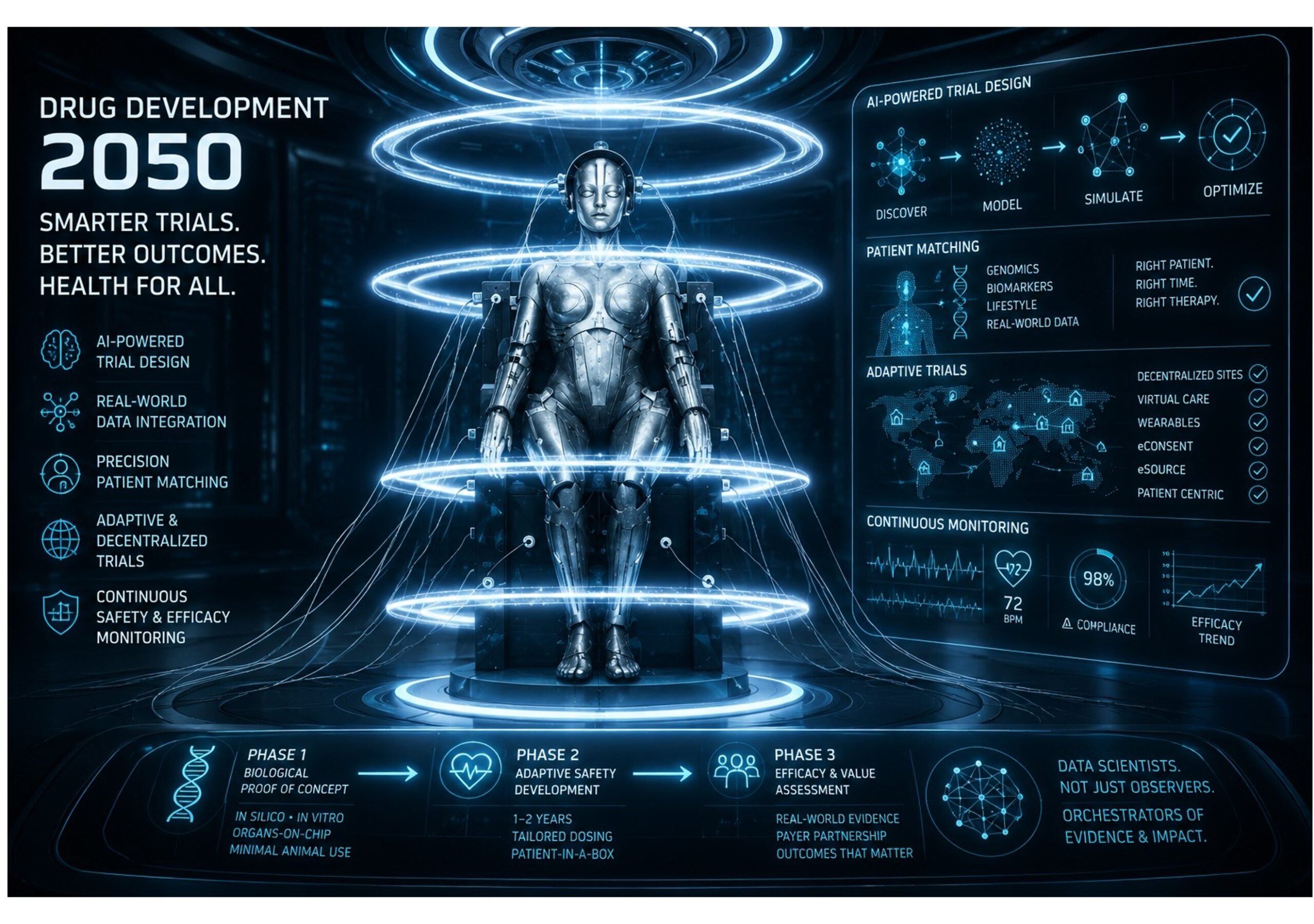
Clinical Drug Development in 2050: From Clinical Trials to Continuous Data Science
What will clinical drug development look like in 2050? Expert consensus on AI, wearables, adaptive trials and the future of the CRA role. read more
Awesome advisory boards
Advisory board meetings are often used to address perceived knowledge gaps and build consensus. read more
Hiding not learning
I have never been great at conferences. People don’t believe me but I am painfully shy and far too worried about what people think of me. read more
Clinical Trials Day 2023 – Banging!
Whether it’s a festival, concert or celebratory party, music unites people and pervades read more
Clinical Trials Day 2023 – Relax!
Music has a remarkable ability to bring people together and permeate read more

Rediscovering case reports
Have you seen our latest Insider's Insight on Case Reports? Once a staple of medical journals, read more

Scientific Writing Tips: 5 Common Habits to Avoid
Discover 5 common scientific writing habits to avoid. From nominalisation to comma misuse, get expert tips to refine your clinical research documentation. read more
Top tips for investigator site selection
Investigator sites are very important to clinical studies because they make sure that new drugs are safe and work well. read more
Feeling the fourth on Star Wars Day
Yes, it’s Star Wars Day again! The Star Wars films base their wow-factor on their adoption of science read more
Combating mediocrity
Perhaps one of the greatest challenges we have faced over the last 25 years read more
Data, data everywhere… far too much to think
Every year, a huge amount of scientific data is released. It's out there, but how do you find it? read more
Good Laboratory Practices?
Do you know what Good Laboratory Practice stands for? In nonclinical animal studies read more
April Fools
By their very nature, experts don't find humour funny. We take things way too literally. read more
Mandatory adoption of the European Clinical Trials System approaches
Concerns about readiness of the European Medicines Agency’s (EMA) Clinical Trials Information System persist as the deadline for compliance arrives. read more
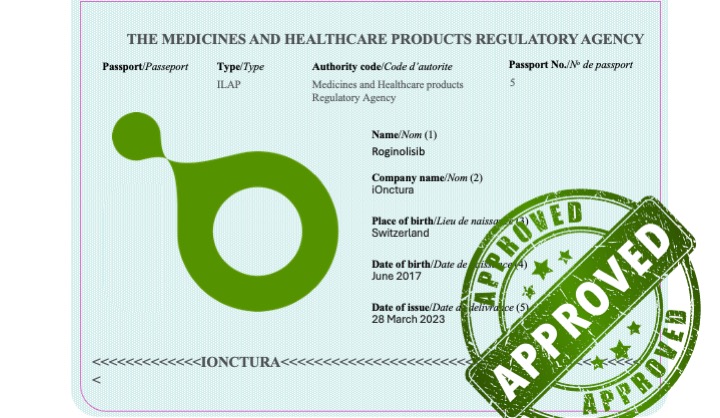
iOnctura's Innovation Passport
The clinical stage biotechnology company developing breakthrough therapies for patients suffering with cancer, read more
Quality control tips when reviewing clinical study reports
Once all the subjects have gone home, the samples have been analysed, read more

Top 10 horrifying Halloween healthcares
I've been studying medicine for 40 years, and it's beginning to look like something out of science fiction read more

E-mail: the (new) gender battleground
The internet was set alight last week on the issue of differences in the approach to emails adopted by men and women. read more
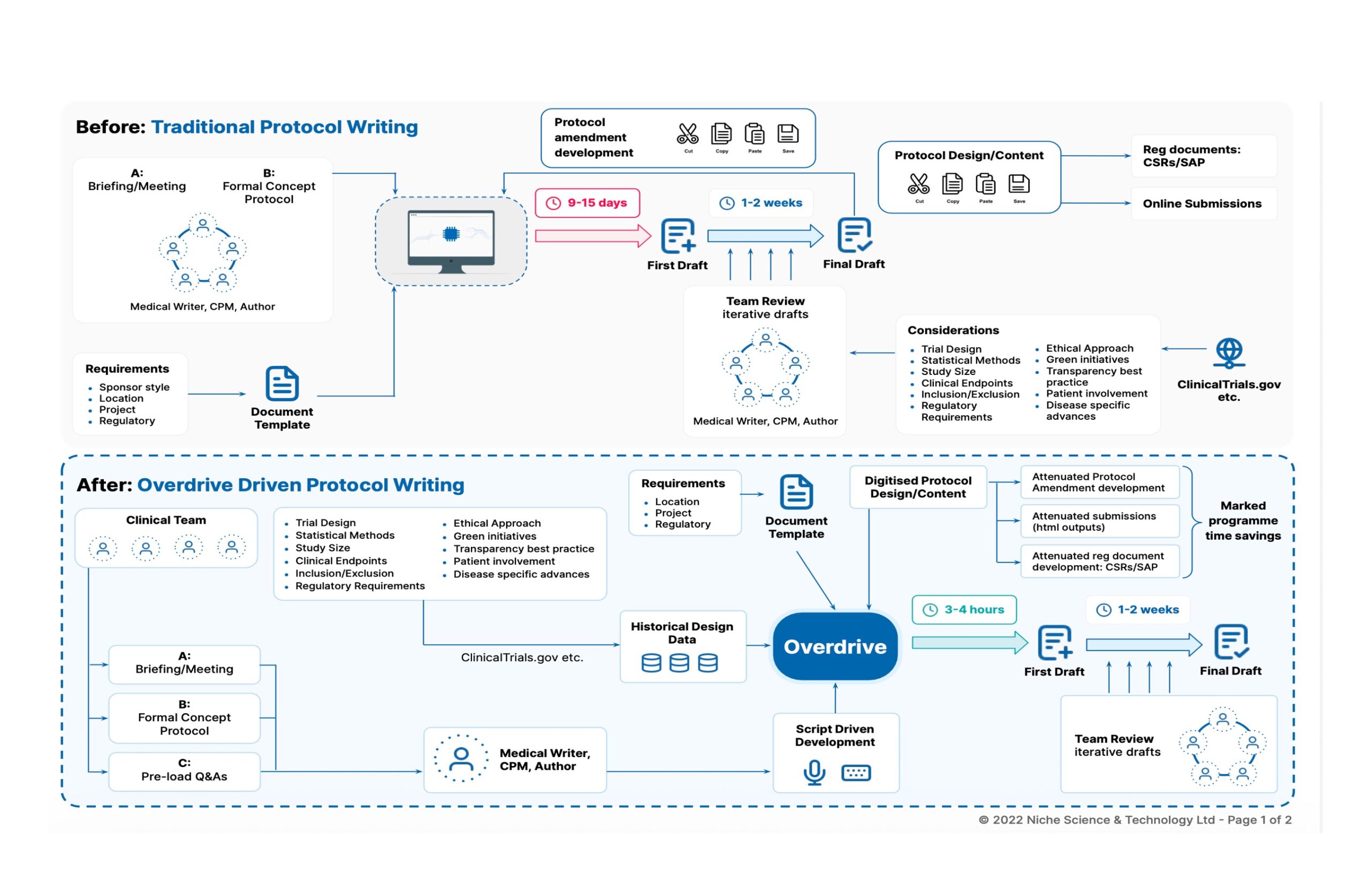
A New Vision for Accelerating Drug Development Through Automated Protocol Writing
Protocol complexity is slowing drug development. Overdrive is Niche's AI platform designed to cut protocol development from weeks to days. read more

Graduation Day
Son, I wanted to record this landmark day in your progress through life. read more
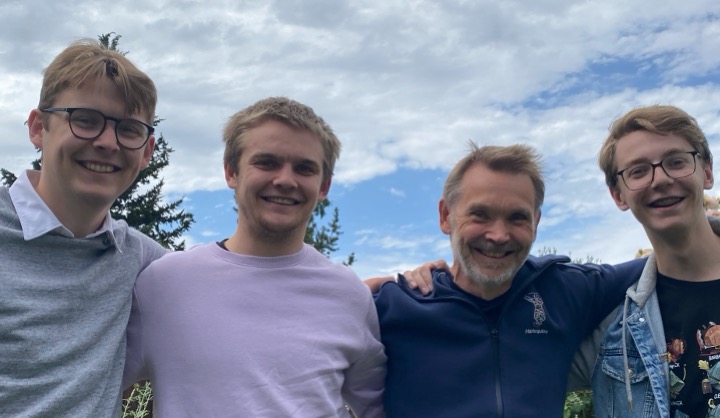
Father's Day
I am continually reminded that I must work toward better relationships with my sons than the one I had with my dad. read more
Exacerbation and risk factors in severe asthma
Asthma is a chronic inflammatory disorder of the airways read more
20 years ago, today…
When I was younger, the opening lines of the Beatle’s seminal ‘Sgt. Pepper’s Lonely Hearts Club Band’ resonated with a sense of genuine nostalgia, which was most likely what Messrs Lennon and McCartney had intended. read more
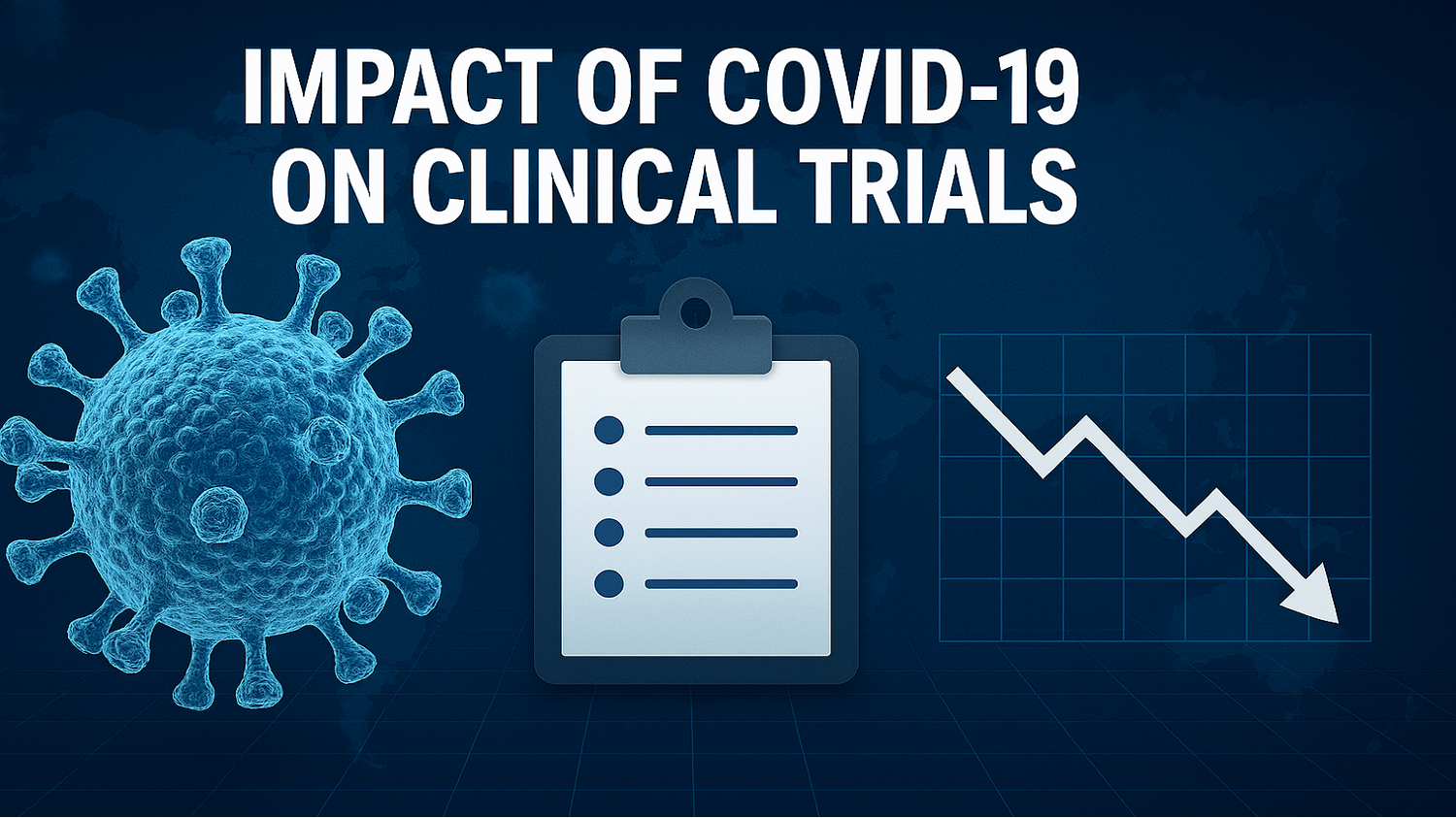
Impact of the COVID-19 pandemic on clinical trial conduct
Early in 2020, COVID-19 was spreading rapidly across the globe. read more

Love pharmacology
We have long been confounded by that indescribable phenomenon known as love. read more

Insights from the human COVID-19 challenge study
The UK's world-class human challenge study gives us new information about SARS-CoV-2 cases that were mild in 36 healthy young volunteers who were not immune to the virus read more
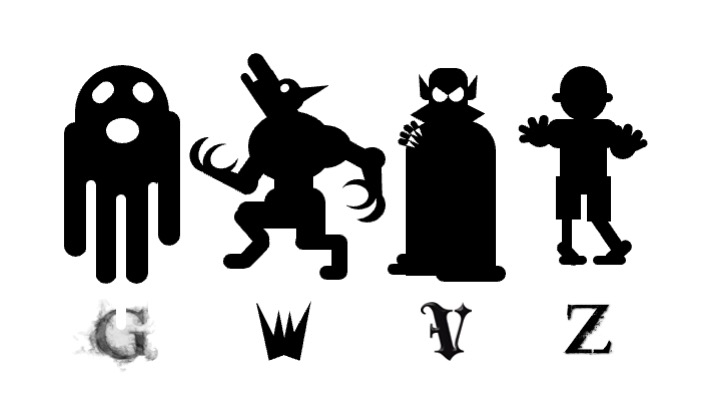
How frights create a happy Halloween
Frights create a happy Halloween by providing the thrill of fear in a controlled and safe environment, turning what would normally be unsettling or terrifying into something fun and enjoyable. read more

Rational Vaccines wins MHRA ILAP passport
Rational Vaccines (RVx) announces MHRA Innovation Licensing and Access Pathway (ILAP) approval for their live attenuated vaccine candidate for herpes. read more
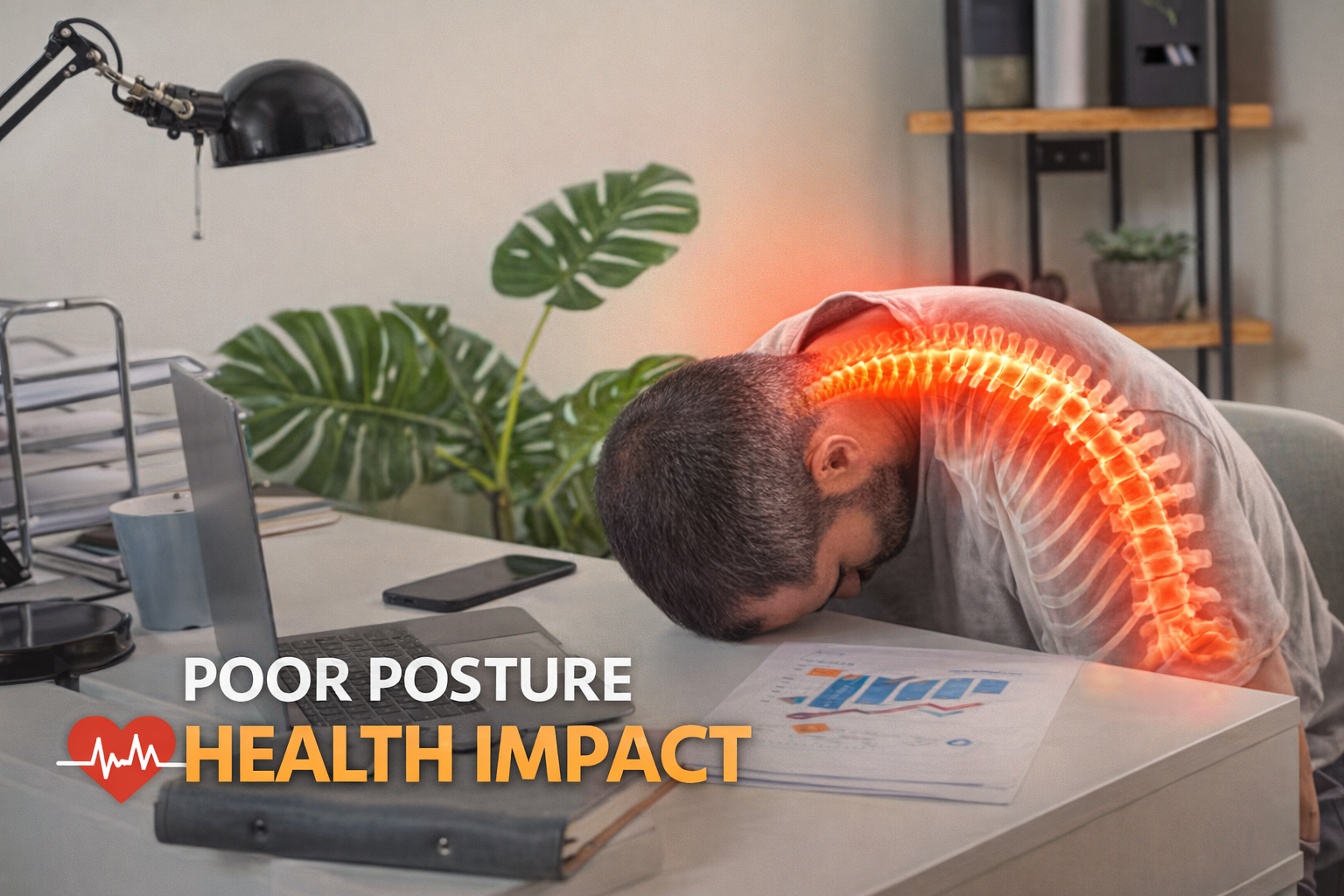
What Prolonged Sitting Is Really Doing to Medical Writers Working from Home
Homeworking has made sedentary behaviour worse for medical writers. The health risks of prolonged sitting and what to do about it. read more

A simple polymeric small molecule from the 70's versus COVID-19?
There have been hundreds of thousands of deaths from COVID-19 read more

Home working charter for medical communications
Work never stops and after the findings of our ground breaking survey in the EMWA read more

A survey to inform working practices
The sudden imposition of remote working in response to the 2020 COVID-19 read more
Will you be frail in old age?
Phenotype-specific omic expression patterns in people with frailty could provid read more
Challenge trials: What you need to know
The world's first human COVID challenge trial has been given the green light read more
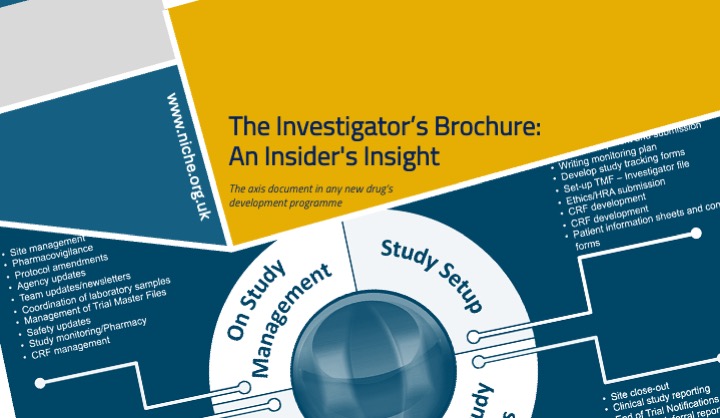
Update on the Investigator's Brochure
There are many regulatory documents but perhaps none are more critical read more
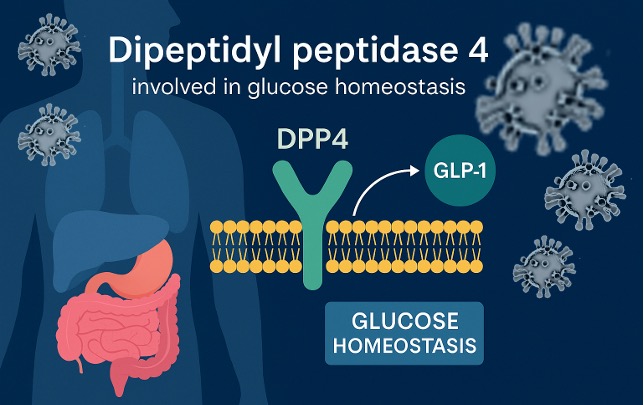
Type 2 dipeptidyl peptidase‐4 inhibitors, SARS‐CoV‐2 and cockroaches
The comparison of the DPP4 (dipeptidyl peptidase 4) SARS-CoV-2 read more

2020 Best of the Best
Here are a few lists of the best of the best over the last 12 months. read more
Understanding your fears
In the past, Halloween has meant the end of the crop and the start of the dark, cold winter. read more
Nap Attack!
The US Army has a new secret weapon – napping. read more
I love it when a plan...
In this case the plan is a paradigm shift in the way we will manage read more
Deep Breath: Issue #8
All of our core studies have now completed their clinical phase read more
Sports Survey
When the UK went into lockdown on March 23rd because of the COVID-19 outbreak, read more

Milestones
As a jobbing scientist you rarely spend your whole career working on the same project. read more

Mental health and remote working
At the start of the year many of us faced changes to the way we work as the COVID-19 read more

You will be judged
Most writers fear judgement of their work. Practical techniques for reviewing your own writing objectively and building confidence as a medical writer. read more
Are We Living Through a Bad News Event Horizon?
When a country’s economy becomes so dominated by a single export industry read more
5 tips for Star Wars Day
May 4 is often known as ‘Star Wars Day’. It is jokingly said read more
The Seven Deadly Sins of Grant Writing
Grant writing is an art, but it is also a discipline. Treat it with the same care you apply to your experiments, and you may find yourself walking the virtuous path to funding enlightenment. read more
Get Visible or Vanish: 10 Rules for Promoting Your Research
Publishing is just the first step. Ten practical activities to increase the discoverability and impact of your research in a crowded scientific landscape. read more
Preparing for the Apocalypse: Why Humans Love Disaster Planning (and Why It Might Actually Help)
Discover ten evidence-based strategies to promote scientific research, improve dissemination, increase impact, and strengthen long-term academic influence. read more
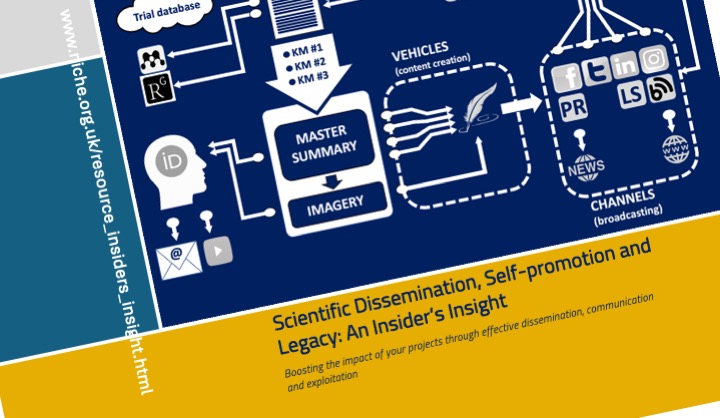
Ten tips for promoting your research
Discover ten evidence-based strategies to promote scientific research, improve dissemination, increase impact, and strengthen long-term academic influence. read more
Looking out for a hero…
We all need heroes - people who can champion our cause - helping the world to understand our rationale read more
A year in review (2019)
Over the years friends, colleagues and industry leaders have shared their many of their insights with me freely read more
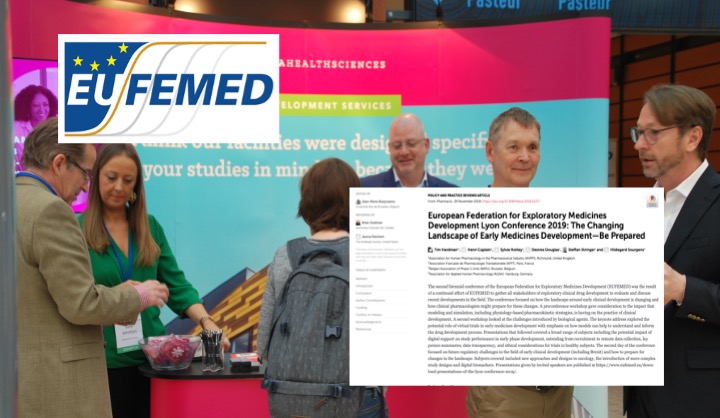
Clinical pharmacologists prepare for change
The latest issue of Journal Frontiers in Pharmacology has just published read more
The Lost Science: Conferences and the Meeting the Missing Data
Scientists invest huge time in conferences, yet much science shared is never published. Are conferences worth it, or is the model fundamentally broken? read more
Max the Power: Presenting with Purpose in an Age of Digital Fatigue
Death by PowerPoint is a choice, not an inevitability. A practical guide to slides, audience engagement and presentations that people actually remember. read more

A Halloween Reflection: Life, Death, and the Uncanny
Halloween is upon us again. read more

The future for clinical studies
Attend any research meeting, conference or clinical congress read more
Deep Breath: Issue #7
Welcome to the seventh issue of the Refractory Asthma Stratification Programme (RASP-UK) newsletter read more
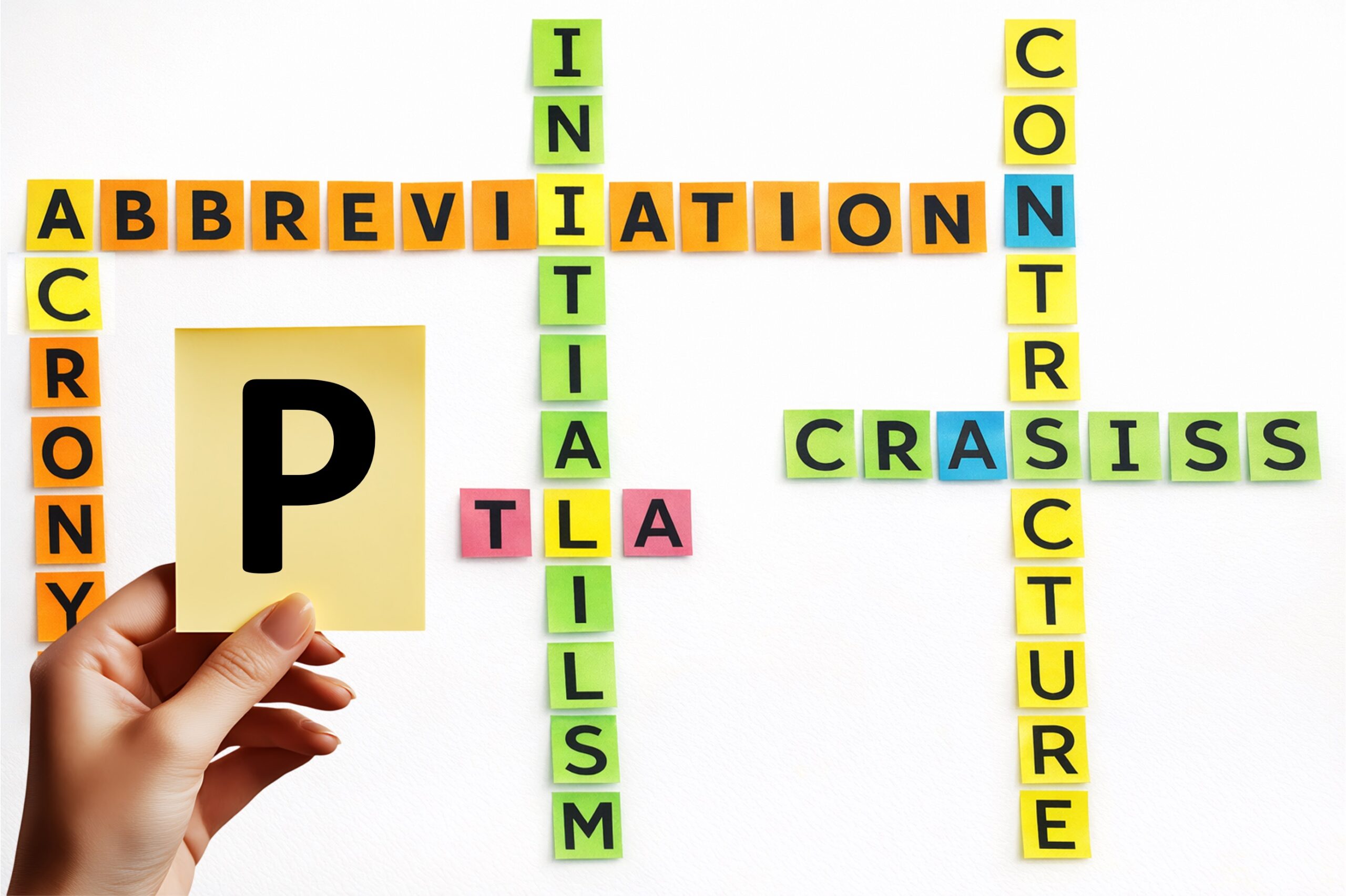
Initialisms, Acronyms, and Abbreviations: A Plea for Sanity (and Clarity)
60 abbreviations in one document is not writing, it is archaeology. A practical guide to using abbreviations correctly, safely and sparingly in scientific writing. read more
Our infinite monkey cage
We all have a responsibility to encourage young people to study science read more
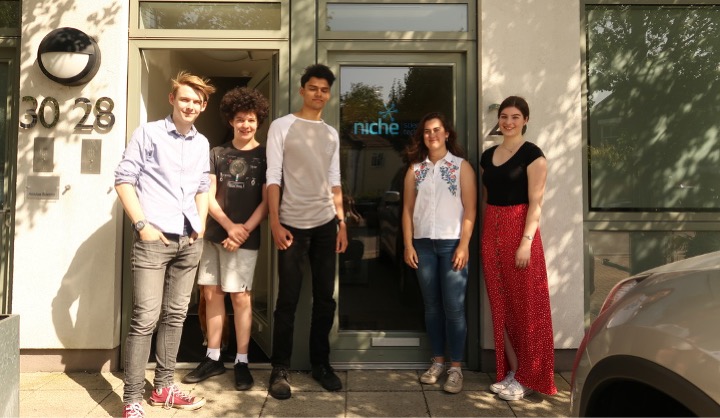
Infinite Monkey Cage
We should all do what we can to get young people interested read more
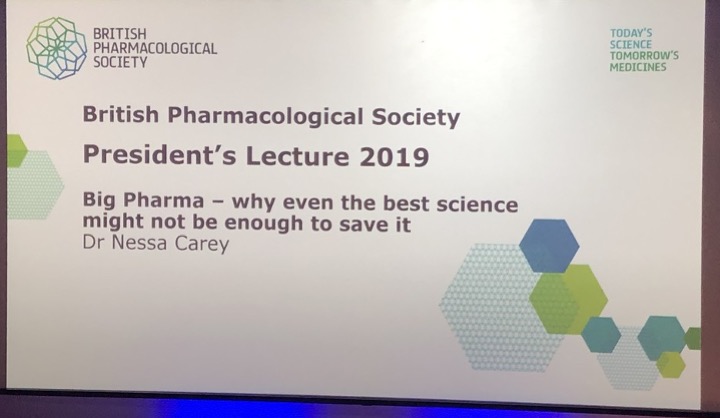
Science won’t save medicine
Last night saw a collection of the UK’s great and the good in clinical pharmacology read more

A note to managers on their new starters…
No one has more impact on a new hire than their manager. A practical guide to onboarding that accelerates learning, builds confidence and improves retention. read more
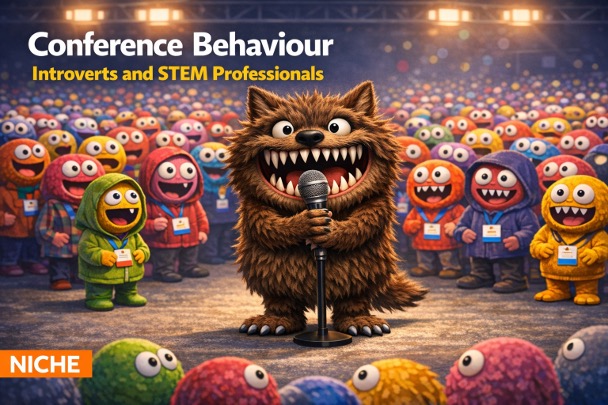
Which Conference Monster Are You and How Do You Escape It?
Are you a werewolf, ghost, vampire or zombie at conferences? Explore the psychology of conference behaviour — and how to avoid becoming a monster at your next event. read more
Top 10 questions to find out if you are business ready
Most businesses fail within five years. Ten honest questions to ask yourself before starting your own, from someone who has run their own company for over two decades. read more
Aiming at Supererogation
From Tuskegee to the Belmont Report, how did modern research ethics come to be? A reflection on 40 years of principles that still govern clinical research today. read more
A EUFEMED achievement
I'm sure that everyone works hard and tries to do their best. read more
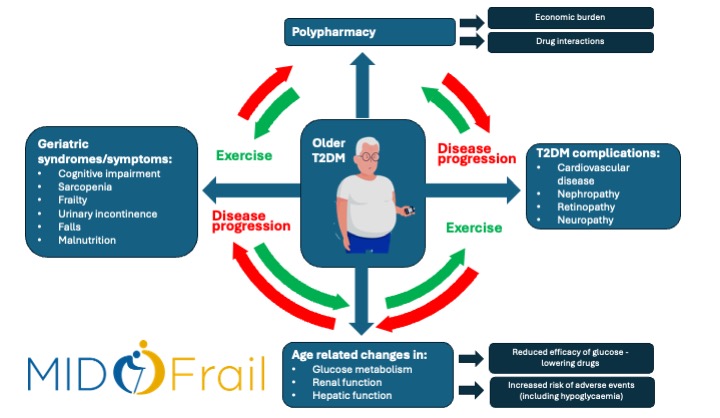
Multimodal intervention in functionally impaired older people
Our publication on effectiveness of a multimodal intervention read more

Coming of age
We use the term coming of age to describe the transition into adulthood read more
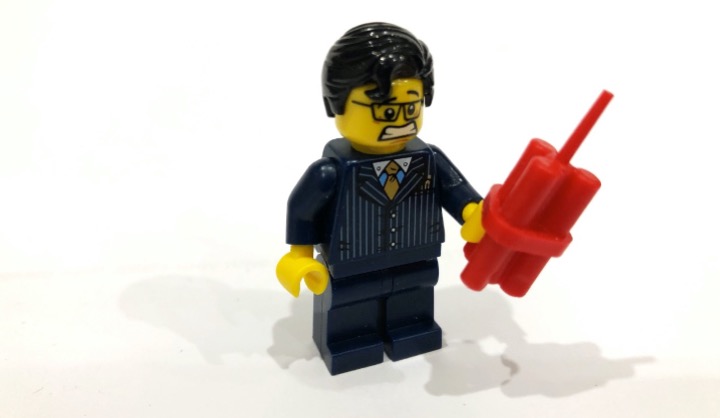
Pulling the pin...
In the words of Clint Eastwood’s character, Harry Callahan, in the film Magnum Force “A man's got to know his limitations”. Effectively, you can’t know and/or do everything. read more

Website for the Clinical Trials Specialist Degree Apprenticeship goes live
Visit our brand-new website to learn more about our innovative training programme read more
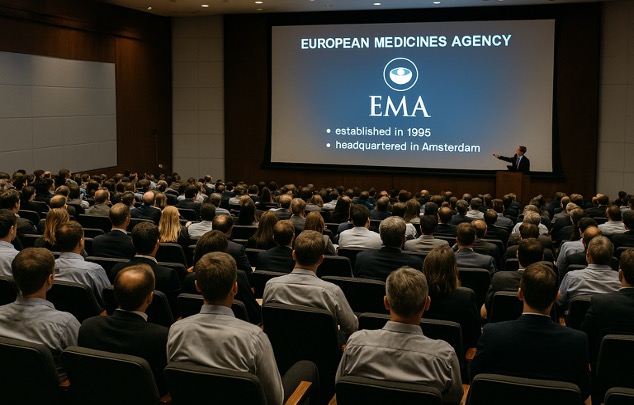
Revised FIH EMA Guideline: Opinion reported
The EUropean Federation for Exploratory MEdicines Development (EUFEMED read more
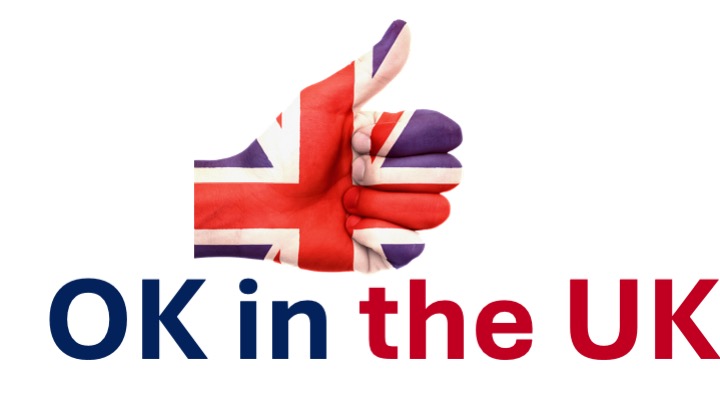
UK – Doing OK
One notable characteristic of Brexit has been a race for the bottom by journalists read more
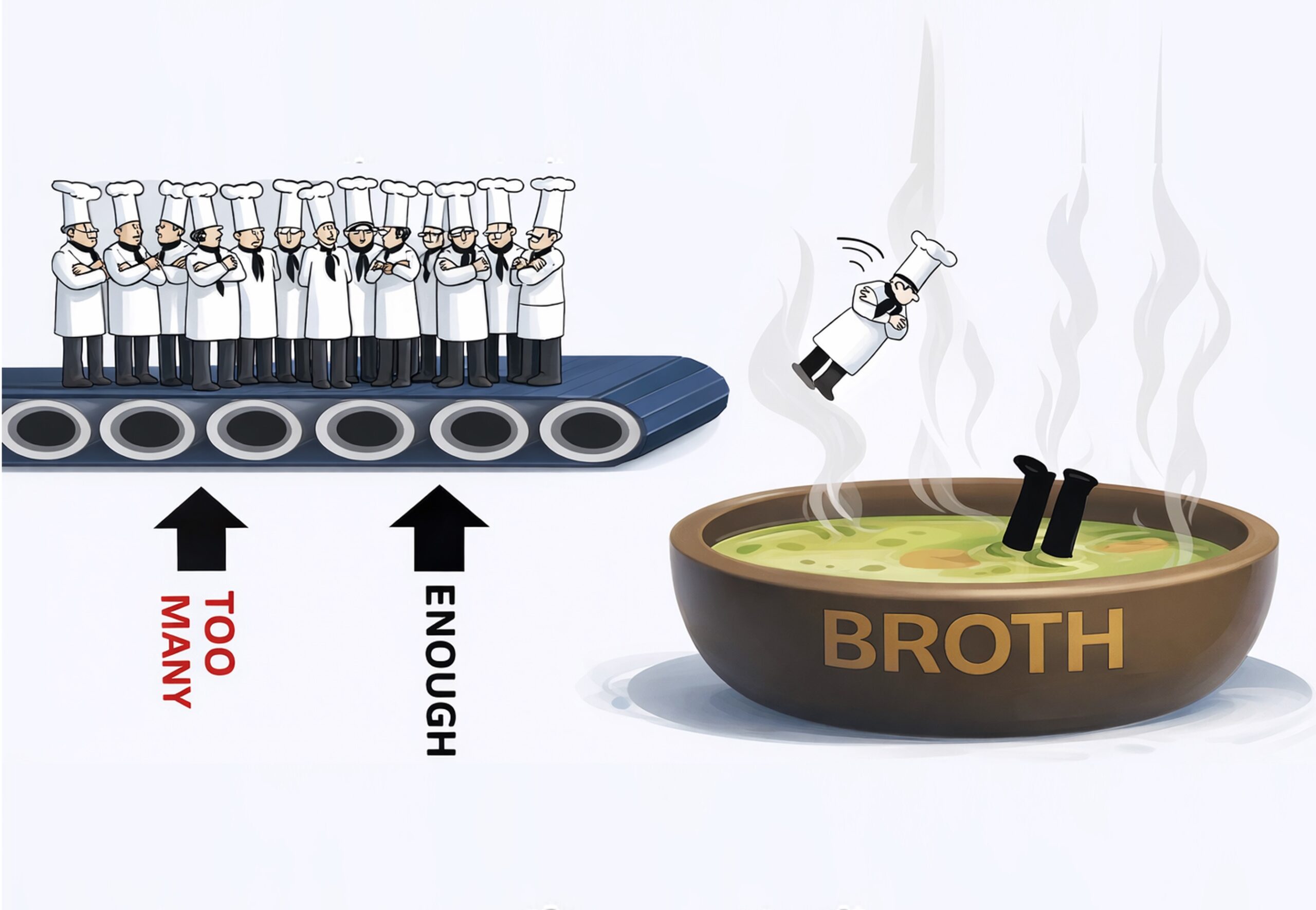
Too Many Cooks
Metathesiophobia: from Preclinical to Clinical Development read more
Lipid milestone
ive years ago I was lucky enough to be involved in a project that resulted in publications read more
Regulating medical devices in the event of a no deal scenario
Metathesiophobia: from Preclinical to Clinical Development read more
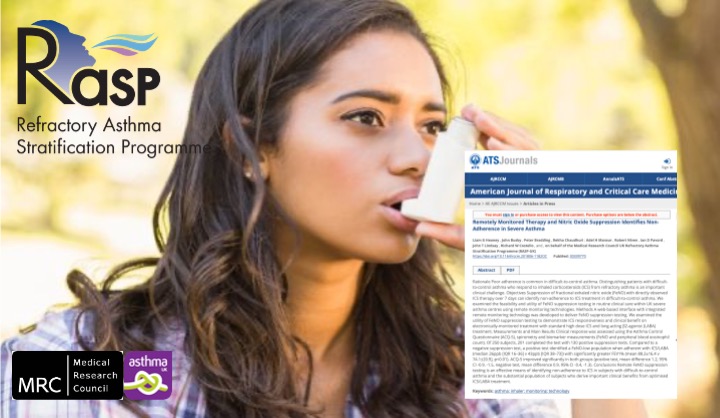
Mapping non-adherence and airway inflammation in managing severe asthma
Because new biologic treatments for asthma can be expensive and cause side effects, read more

The Investigator’s Brochure: Multifaceted and Multidisciplinary
Metathesiophobia: from Preclinical to Clinical Development read more
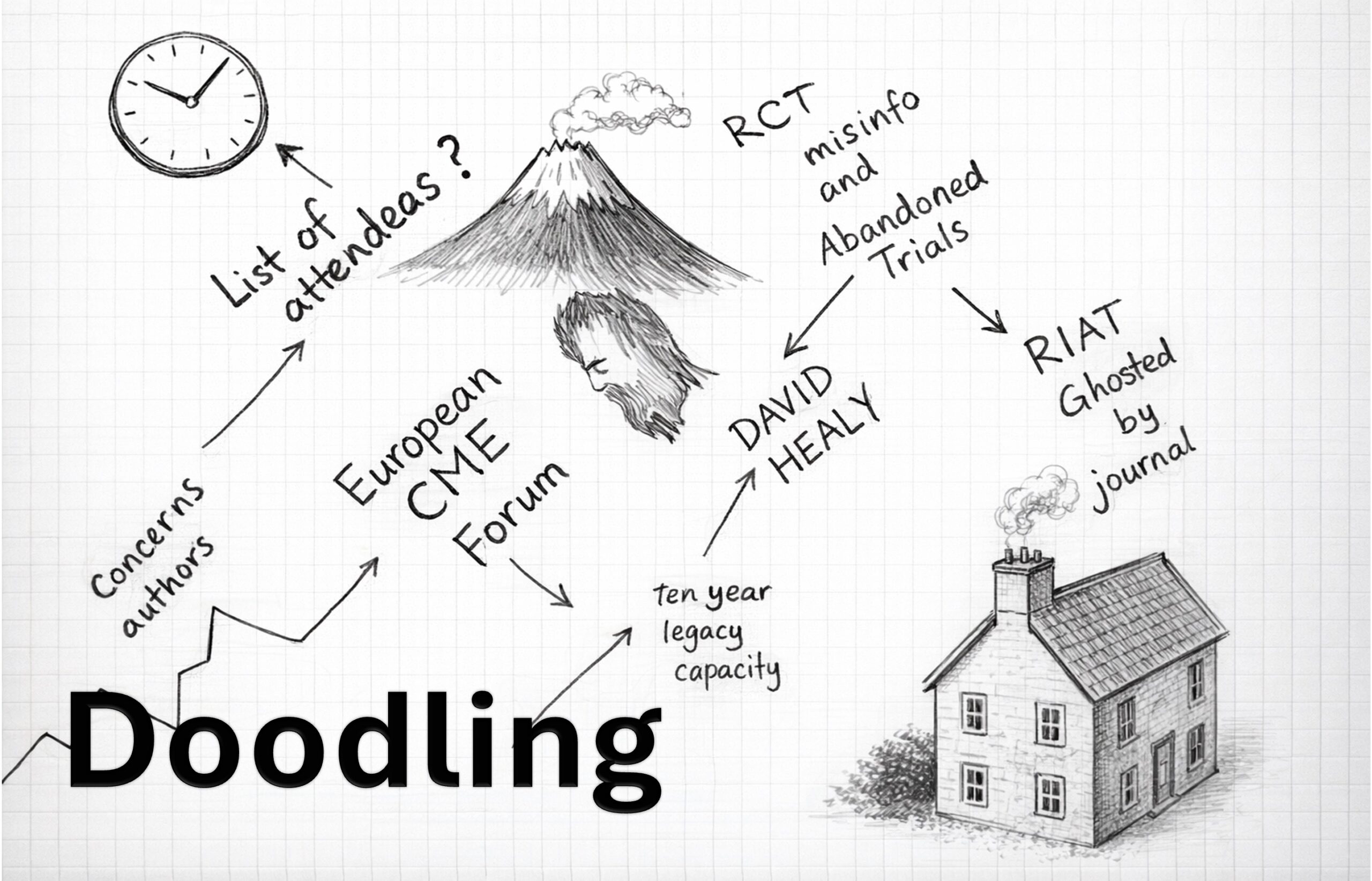
Be 30% more efficient
Metathesiophobia: from Preclinical to Clinical Development read more
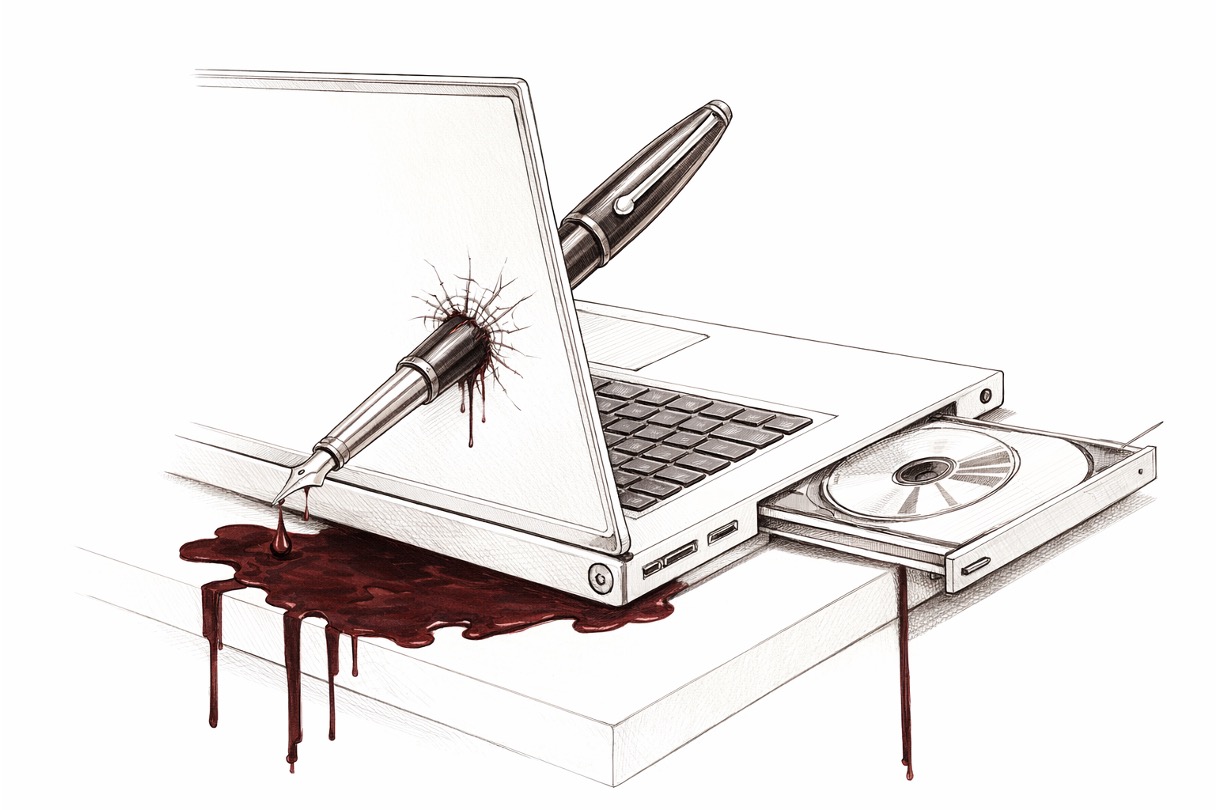
Mightier than the sword… and the laptop and the smartphone…
Research shows handwriting notes may improve focus and memory compared with typing. Discover why the pen may still outperform the laptop. read more
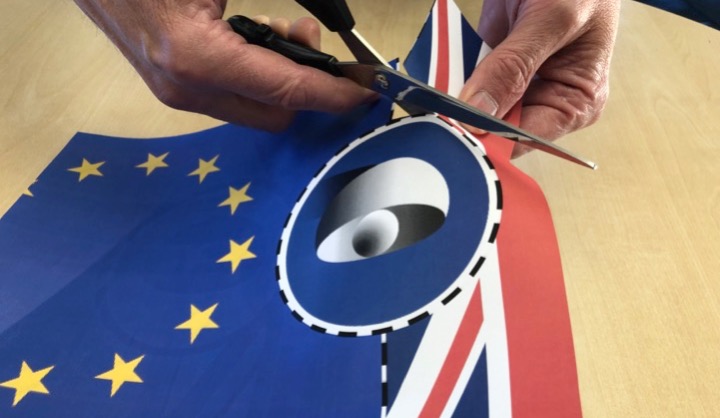
Expanded ‘No-Deal’ Brexit preparations for pharmaceuticals and medical devices
However you may feel about the way political leaders have turned Brexit read more

Is winning (that) important?
Metathesiophobia: from Preclinical to Clinical Development read more

The undiscovered country
The scientific literature comprises scholarly publications that report original read more
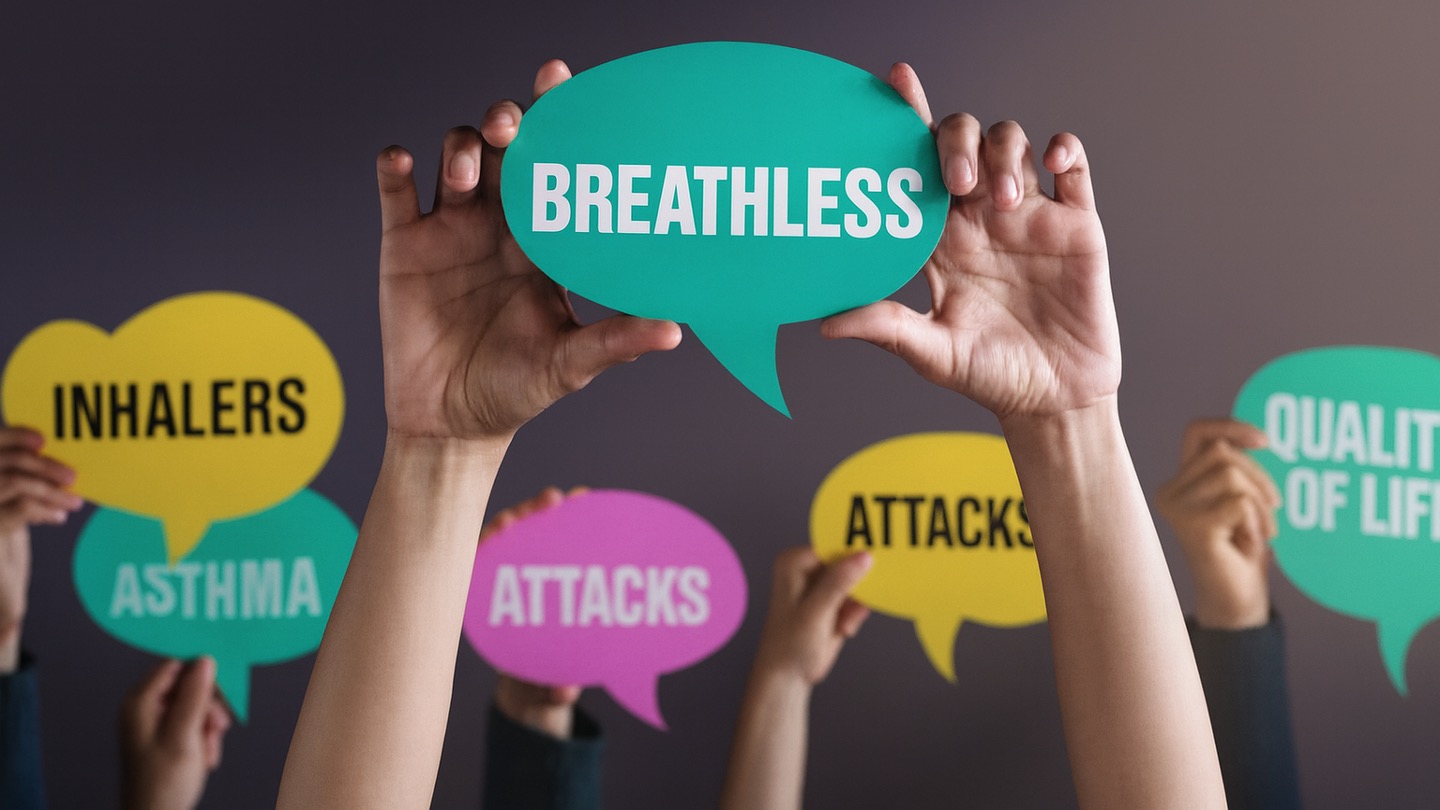
Severe Asthma, Smarter Decisions: Aligning Objective Assessment with Patient Voices
Biologic therapies for severe asthma, monoclonal antibodies targeting key type‑2 inflammatory pathways. read more

The 12 best science presents…...ever?
The festive season is a time for the giving and receiving of gifts. read more
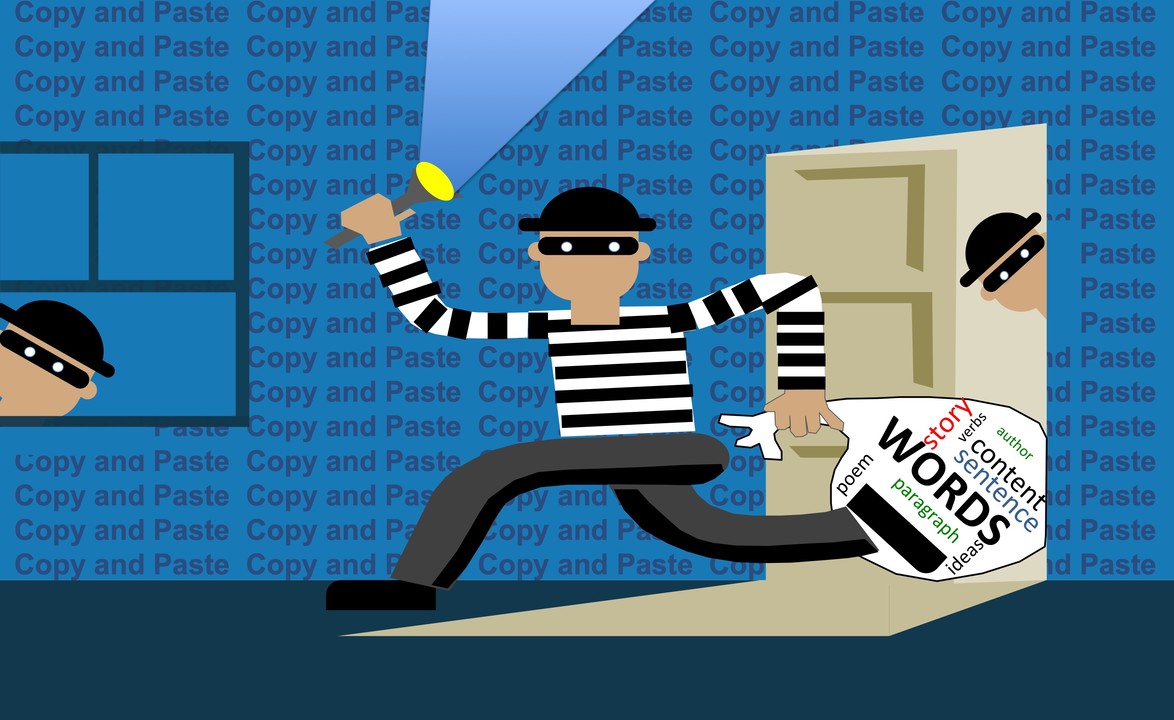
Plagiarism in Scientific Writing: Lessons Learned
Learn how to avoid plagiarism in scientific writing with practical tips, common pitfalls and proven techniques to protect your work. read more
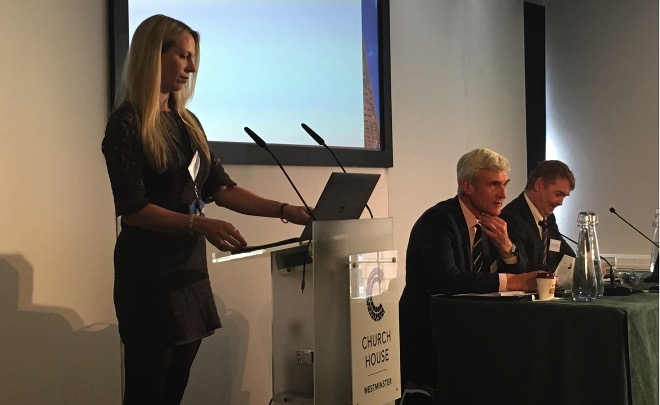
Association for Human Pharmacology in the Pharmaceutical Industry
The proceedings of the Association for Human Pharmacology in the Pharmaceutical Industry (AHPPI) read more
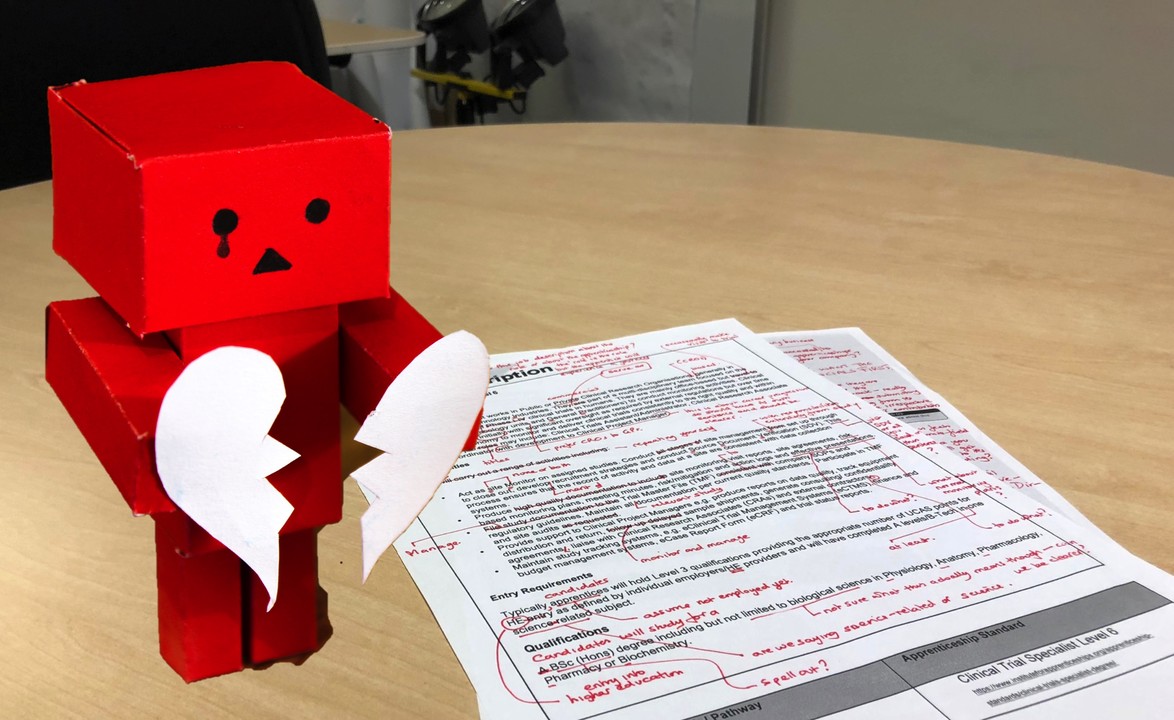
How to Respond to Scientific Manuscript Rejection
A practical guide to responding to manuscript rejection with three steps and key tips for revising, rebutting reviewers, and resubmitting successfully. read more

Three‑Step Hack to Becoming a Conference Superhero
Already surviving conferences as an introvert? Now it's time to thrive. Three advanced techniques to boost your presence, confidence and connections in STEM. read more
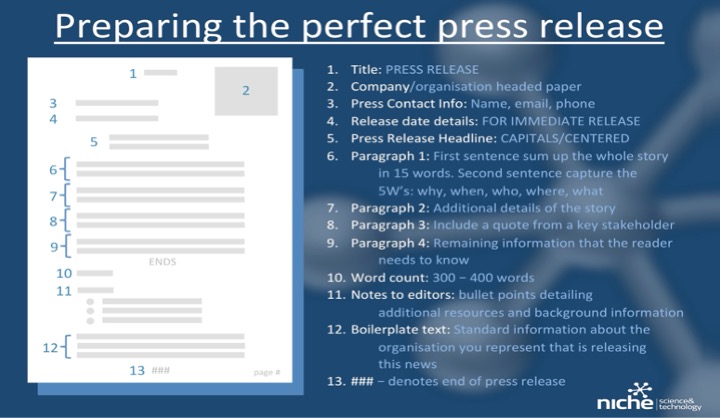
Eight tips for writing a press release
At some point, you'll want to share your great projects with your friends read more
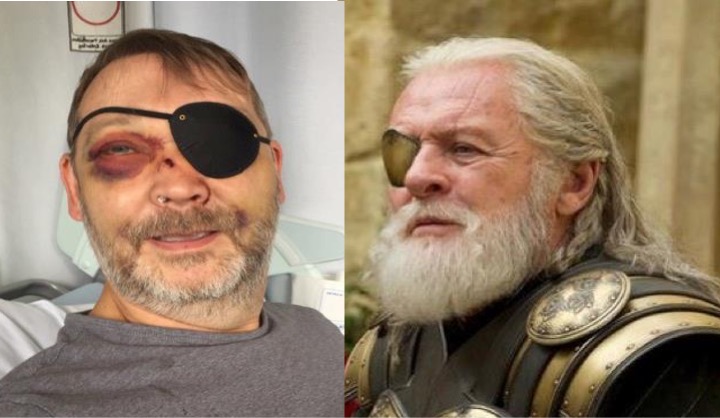
Stay happy
Last week marked 12 months since I was involved in a life-changing accident. read more
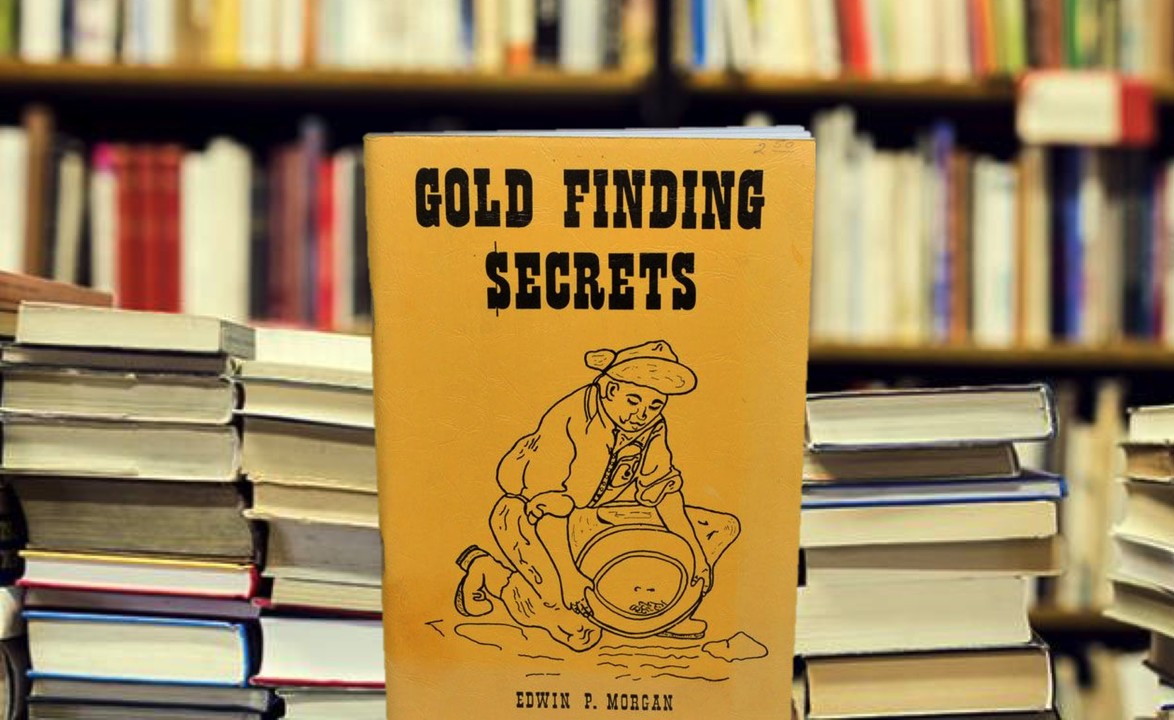
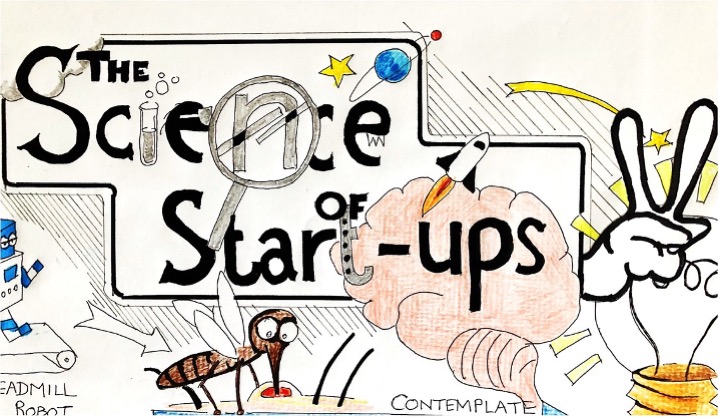
Six hard questions
In response to my post with tips for people who want to start their own business read more
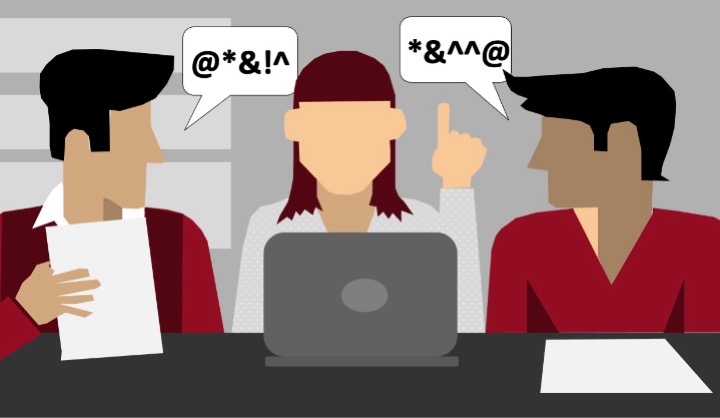
Coming to a consensus
Clinical consensus statements are agreed opinions formulated by a group of experts read more
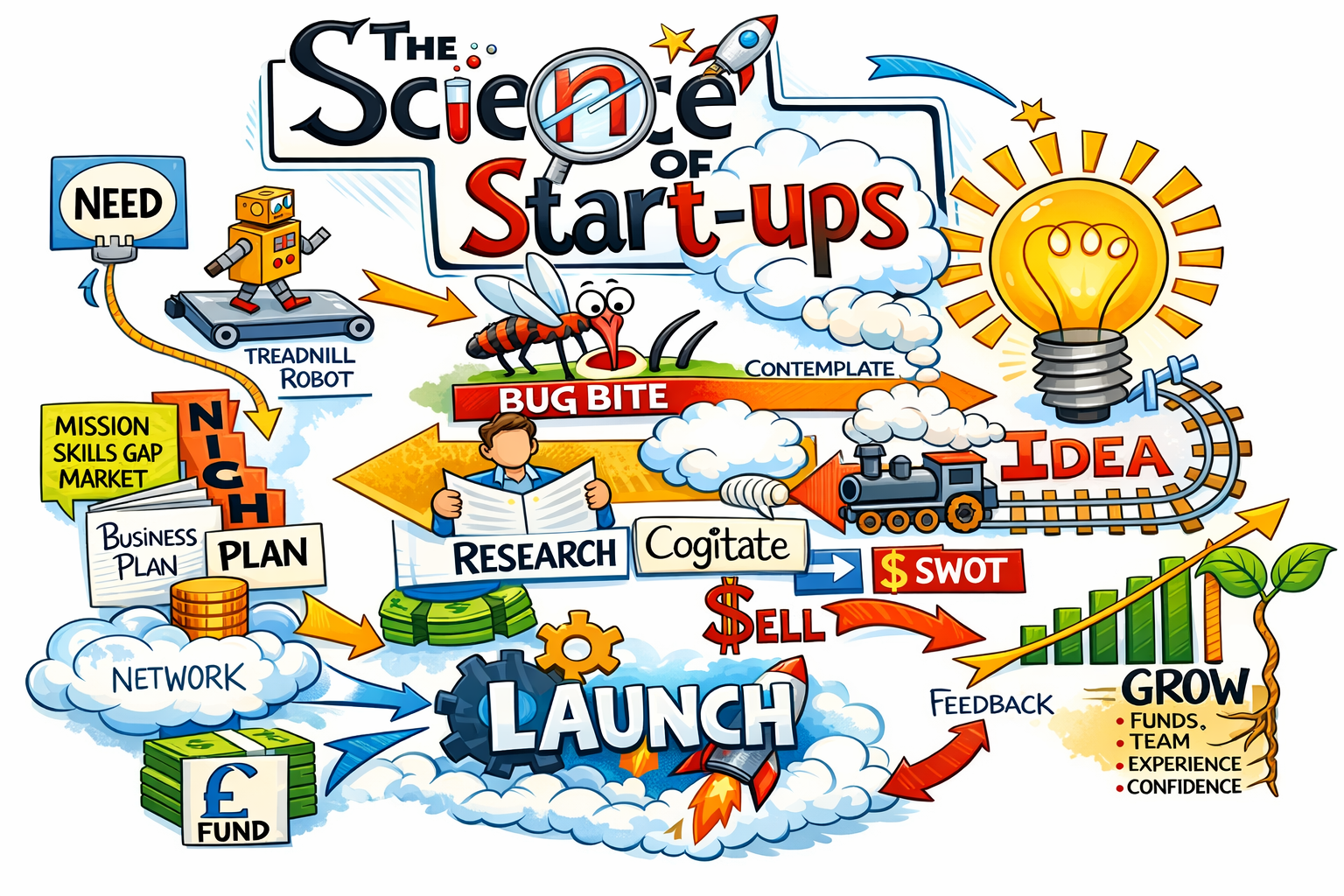
Top 6 tips when starting a company
Last week was the 20-year anniversary of my founding Niche Science & Technology Ltd. read more
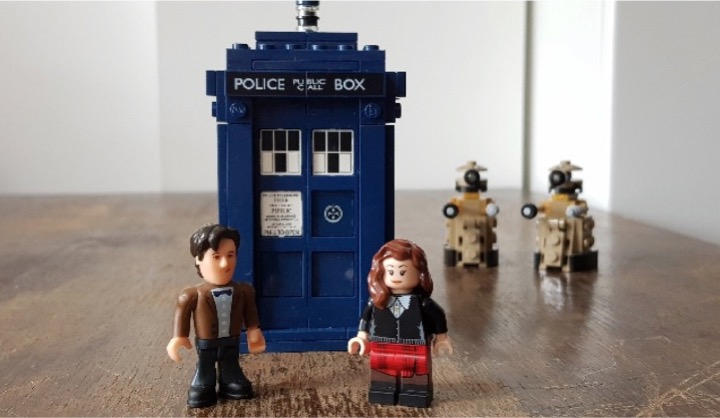
Bigger on the inside
I am shamelessly referencing our Insider’s Insights (IIs) to Dr Who’s TARDIS – our latest edition read more
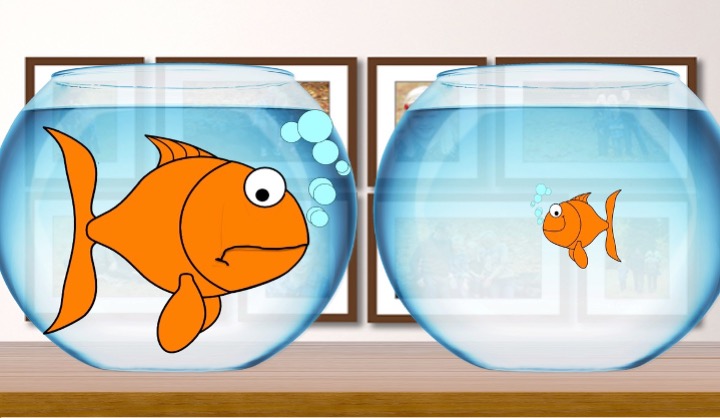
Top 5 reasons why bigger isn’t (always) better
The largest pharmaceutical companies not surprisingly rely on the largest contract research organizations read more
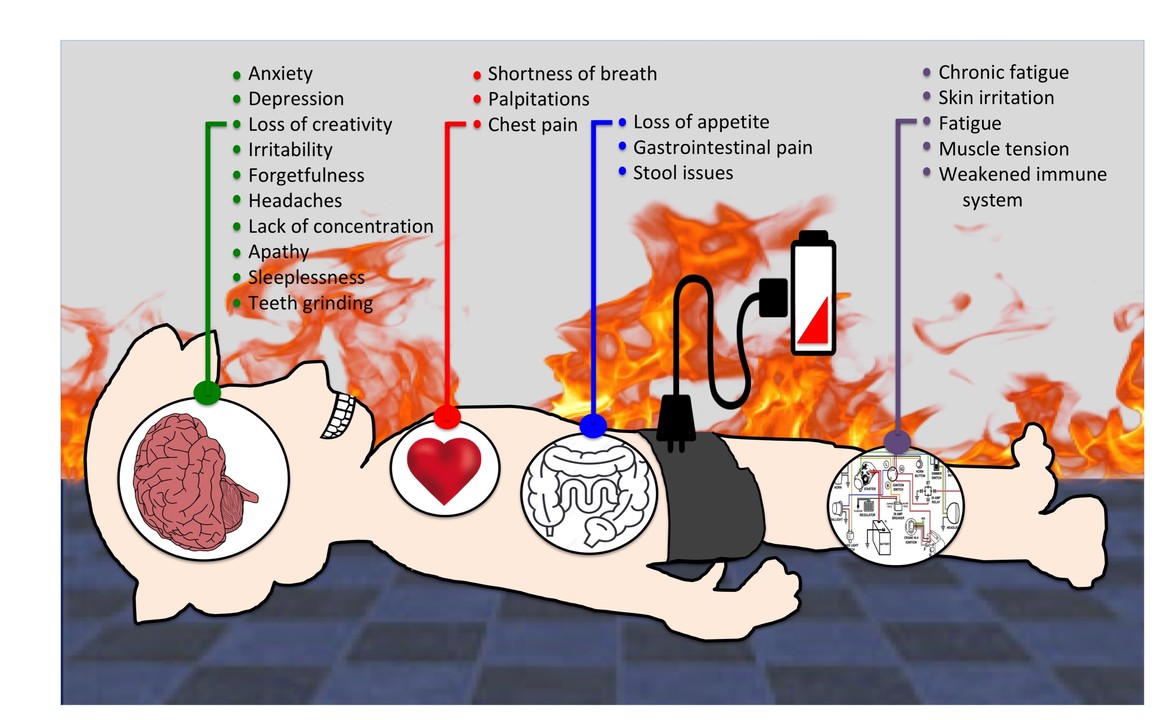
Running a Business Without Burning Out
Running a business can be emotionally draining. Learn practical strategies to avoid burnout and protect your health as a leader. read more
Wormy secrets to longer life
Research into the remarkable regenerative powers of the flatworm Macrostomum lignano a read more
Deep Breath: Issue #6
It was encouraging to see so many partners at the 2017 General Assembly meeting last December read more
300 standards and counting…
The Institute for Apprenticeships (IFA) has approved its 300th read more
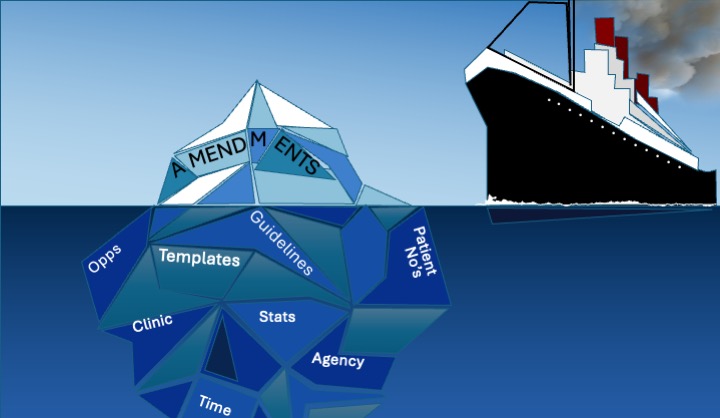
Titanic clinical protocols
Experience at Niche has taught us that clinical study protocols are born in the white-hot fire read more
Critically thinking
Today my son has taken his GCSE exam in Critical Thinking. read more
Pharma – newbies trailblazing the future
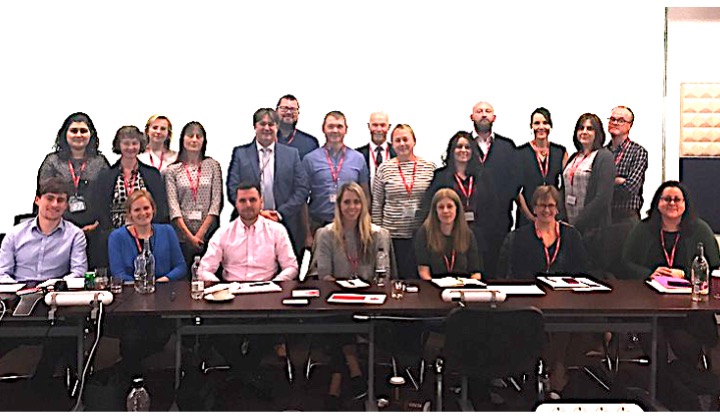
Our team are exploring different and novel ways for young people to enter the pharmaceutical industry. read more
Star Wars Day
On this day 2 years ago I had a pretty bad accident getting knocked off my motorbike read more
An Introvert’s Guide to Conferencing for Nerds — Top 10 Tips
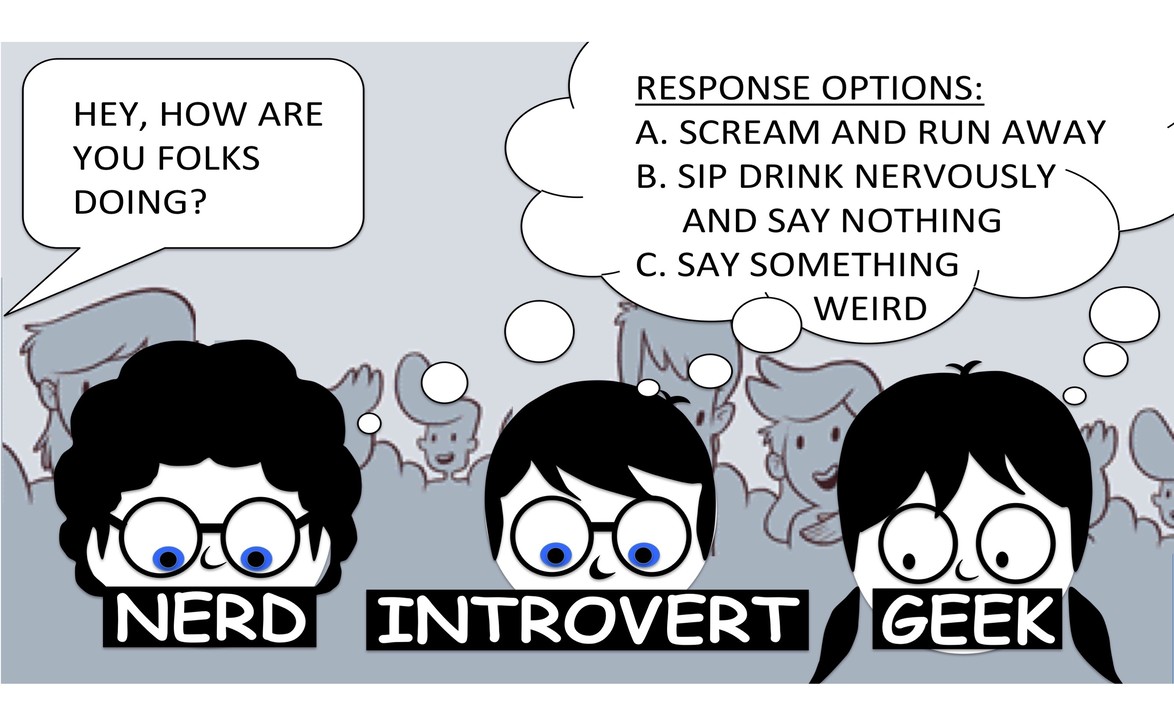
Shy, introverted, or just dreading the coffee queue? Practical strategies for scientists and clinicians to network confidently at conferences — without faking it entirely. read more
Business learnings: 20 years – 20 tips
The last 20 years at Niche have been amazingly exciting – offering read more
Three business starter survival traits
Yesterday was 20 years since the Memorandum read more
If, and Only If: When Does a Medical Writer Qualify for the Next Level Up?
Promotion in medical writing is rarely about time served. A candid look at what actually drives career progression and why growth matters more than seniority. read more
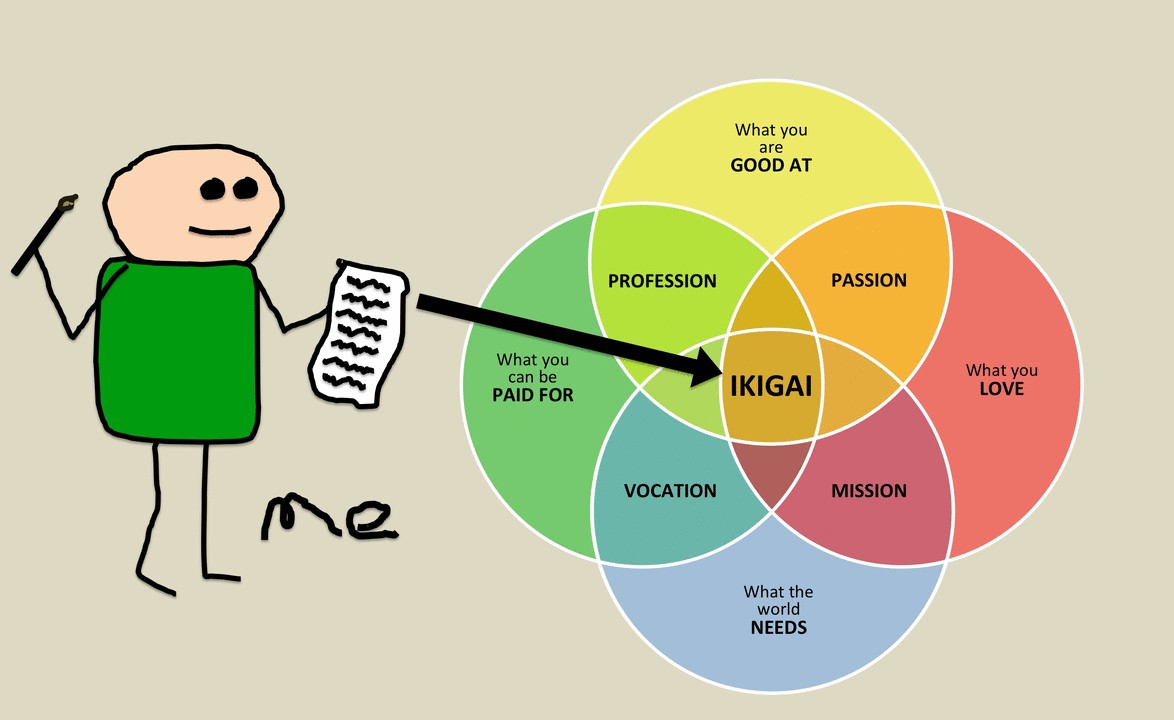
Ikigai - find your purpose
Ikigai is a phrase that the Okinawan community in Japan coined to define ‘purpose’. read more
Zombie apocalypse anyone?
Most businesses have standard operating procedures, but does your SOP system include a disaster recovery plan? It should. read more
From Bench to Byline: What It Really Means to Become a Medical Writer
Many medical writers start as scientists. A candid look at what the transition from bench to medical writing really involves and what it demands. read more
Walking Deadlines: An Undead Perspective on Managing Zombie Manuscripts
A zombie manuscript has all the vital signs but no soul. How disengaged teams kill scientific papers and what medical writers can do about it. read more
The question that never goes away: How Long Does Medical Writing Actually Take?
How long does medical writing actually take? An honest look at what drives timelines, where time is lost and why speed comes with experience. read more
How Good a Writer Are You Really? 6 Techniques for Honest Self-Evaluation
Self-doubt is common among medical writers. Practical techniques for evaluating your own writing objectively and developing your craft with confidence over time. read more

Keep it brief…
Never judge a book by its cover –we know read more
From a father to his son...
on the occasion of your becoming an adult. read more

Uncited Papers Equals Meaningless Research?
How common are uncited research papers? A closer look at publication metrics, bibliometrics, and what citation counts really say about scientific impact. read more
Conference organising 101
They say that as one door closes another one opens. read more
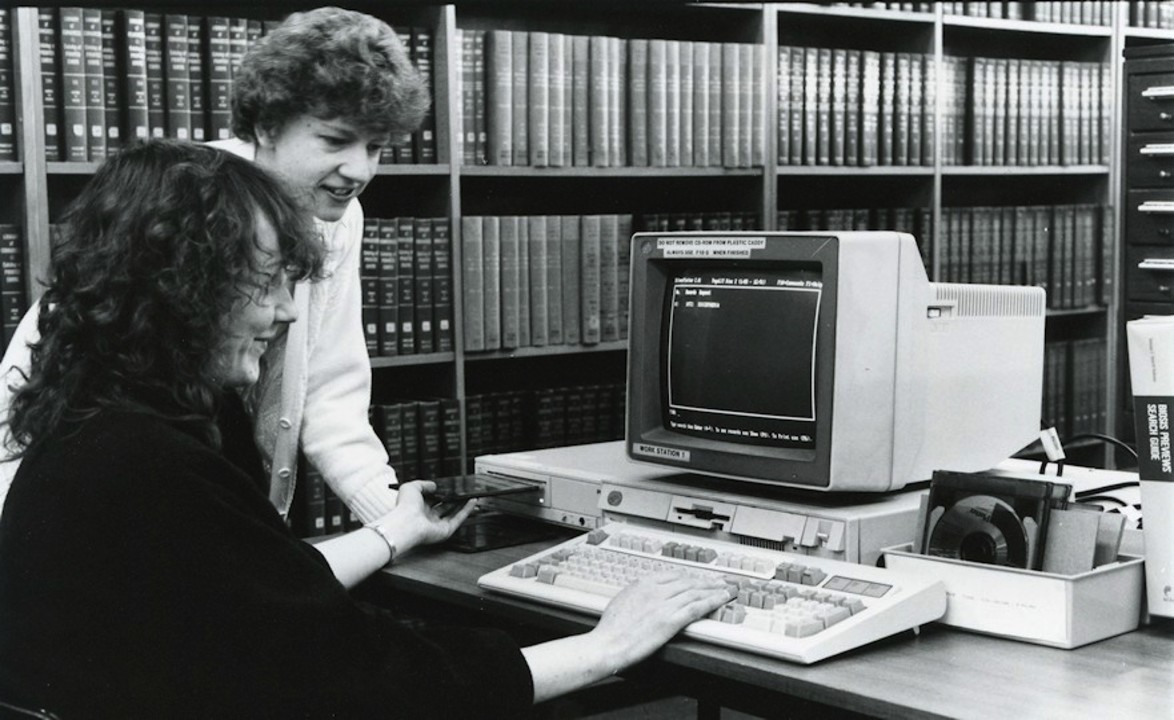
Do you remember Index Medicus? Ramblings of an old fool
From Index Medicus to PubMed in seconds. A personal reflection on how scientific literature searching has changed and what the old ways still have to teach us. read more
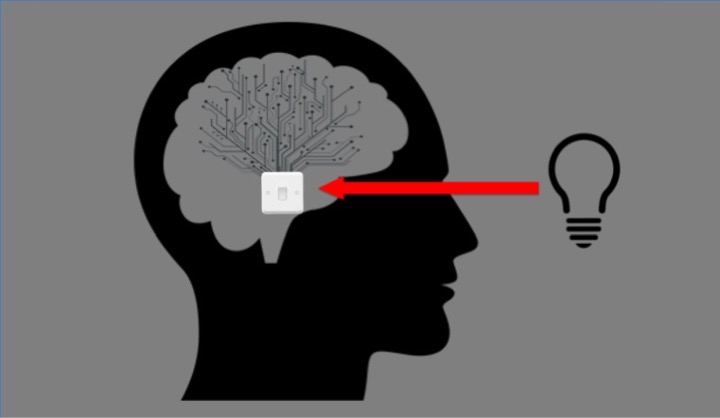
A thoughts trip through the brain
It is possible to use electrodes to record brain read more
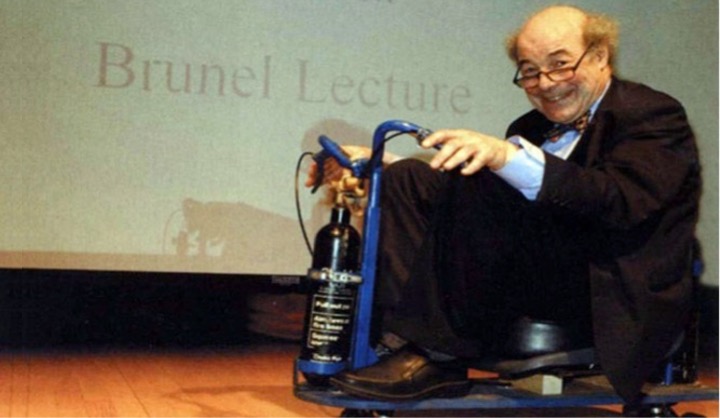
A great disturbance in the force
Heinz Siegfried Wolff, scientist and broadcaster, born 29 April 1928 read more
Humbled - try it!
My end-of-year task for yesterday was a visit the local police station read more
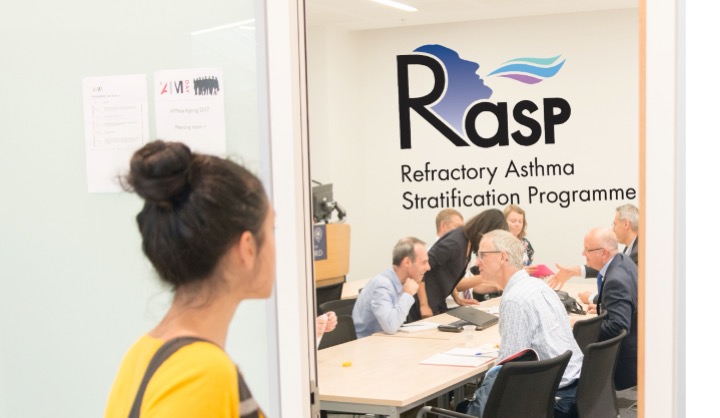
Developing medical devices to help manage chronic respiratory conditions
Academic Industry Meeting days (AIMdays) read more
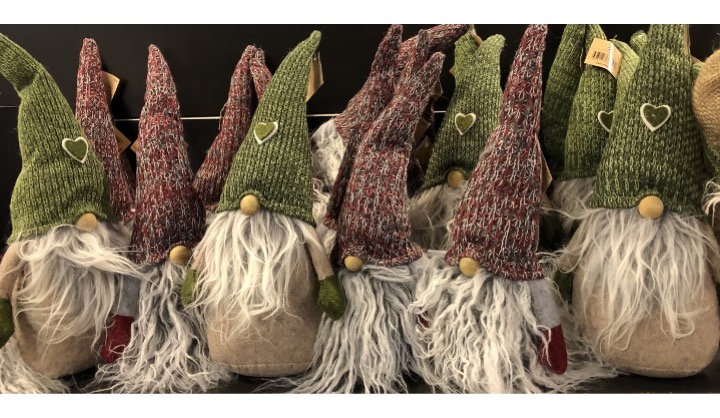
The 10 best science presents… ...ever?
Metathesiophobia: from Preclinical to Clinical Development read more

Top 5 leadership lessons from death
This is me, close to death – again. read more
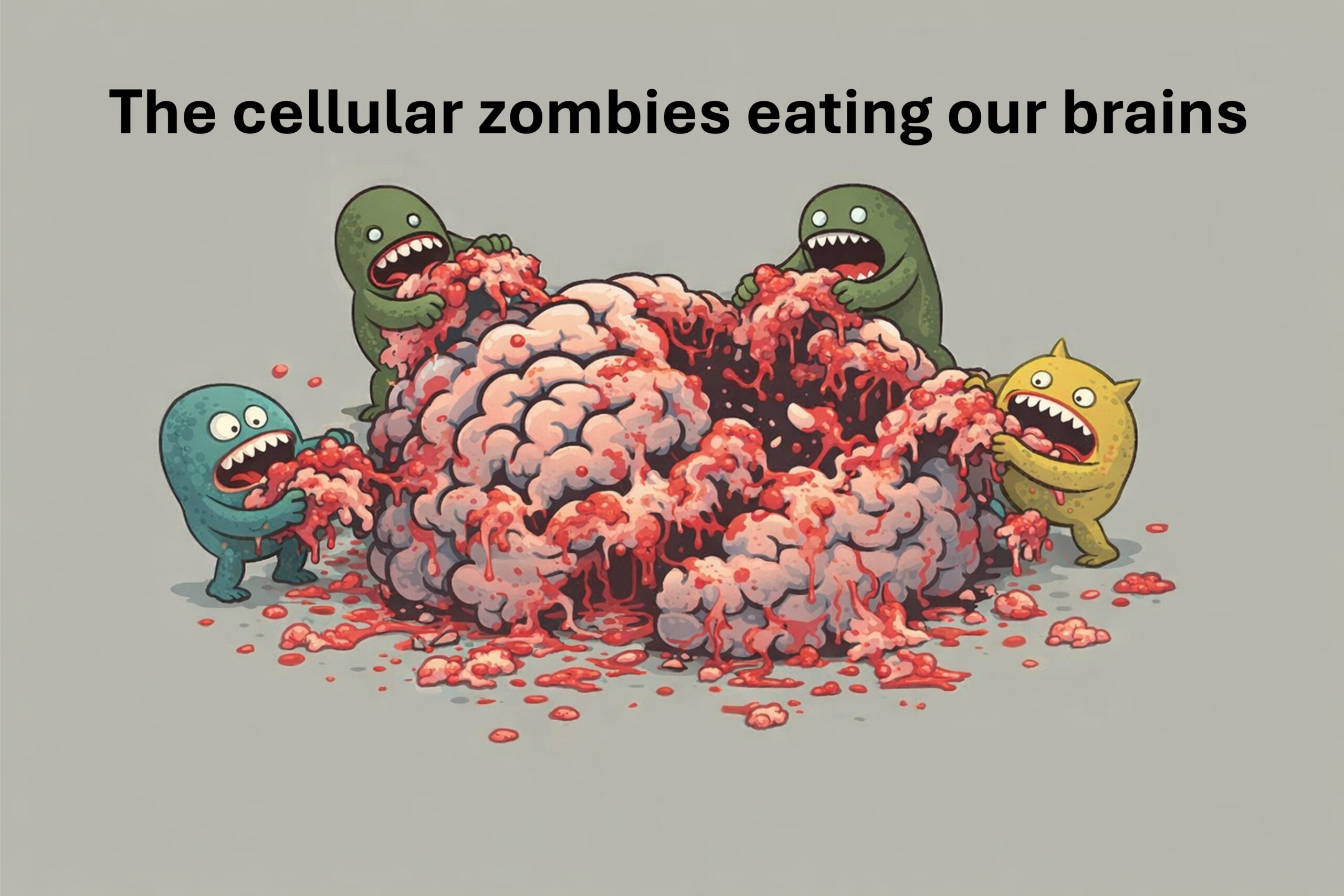
The Zombie Apocalypse Inside You
Senescent cells refuse to die and poison the tissues around them. Discover the science of cellular senescence, inflammaging and the drugs being developed to fight back. read more
That’s all folks!
In 1786, estimates placed our average life expectancy at just 24 years. read more
Targeting death
Many of the increasing number of elderly in our population read more
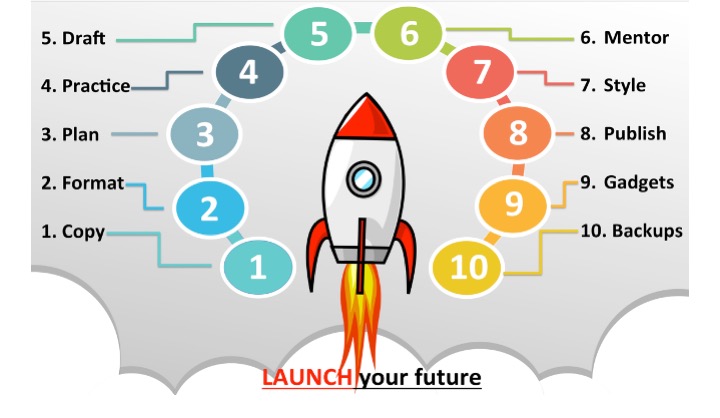
Top 10 tips to writing up your PhD
Writing your PhD thesis can be a once-in-a-lifetime opportunity read more
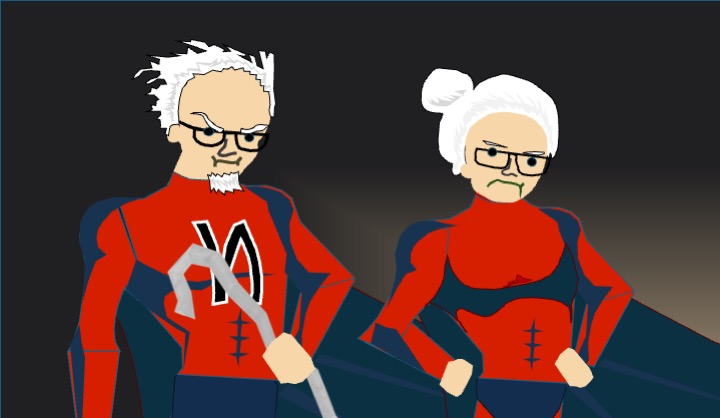
Super-ageing takes guts
We are looking over the precipice that is a revolution read more
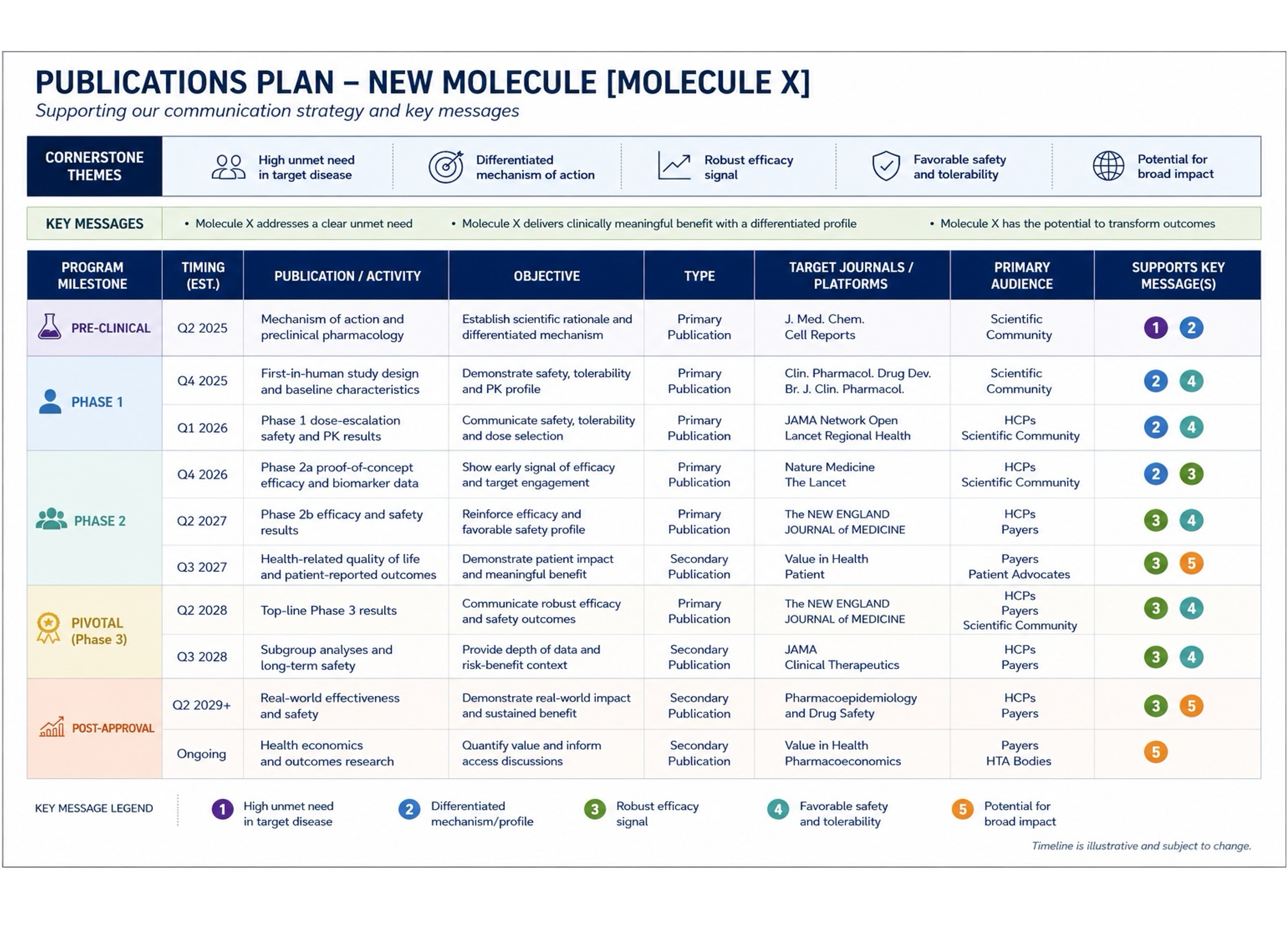
Publication Planning for Academic Consortia: From Data Generation to Scientific Impact
Publication planning provides the framework through which research findings are transformed into scientific knowledge and societal benefit. read more
Deep Breath Issue #5
RASP-UK underwent its third progress review by the MRC on 19 May. read more
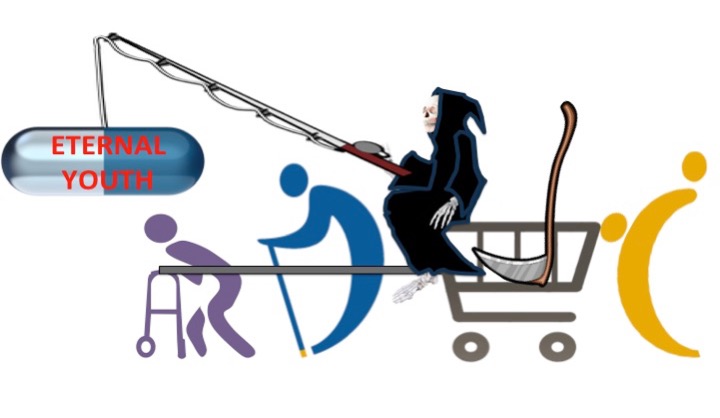
Immortality – no thanks!
We are looking over the precipice that is a revolution in lifespan modification. read more
Creating awesome titles
Creating an awesome title is like bending a straight line into a circle. read more
Site selection - getting it right
High functioning investigator sites are essential to the delivery read more
Can we stop ageing?
According to many observers we are standing on the precipice read more
Are you old?
Ask anyone and they will tell you that they don’t think they are as old as they are. read more
Tantalising telomeres
Many scientists believe that we have reached the end of the life-expectancy revolution read more
Toot your horn...
People working in the sciences aren’t generally perceived as being outgoing. read more
Awesome abstracts
You may think that 'writing the abstract' simply involves summarising read more
Deep Breath Issue #4
Welcome to the latest issue of the Refractory Asthma Stratification Programme (RASP-UK) read more
Creating your best presentation (ever)
We wanted to tell you about our latest Insider’s Insight - Ta dah read more
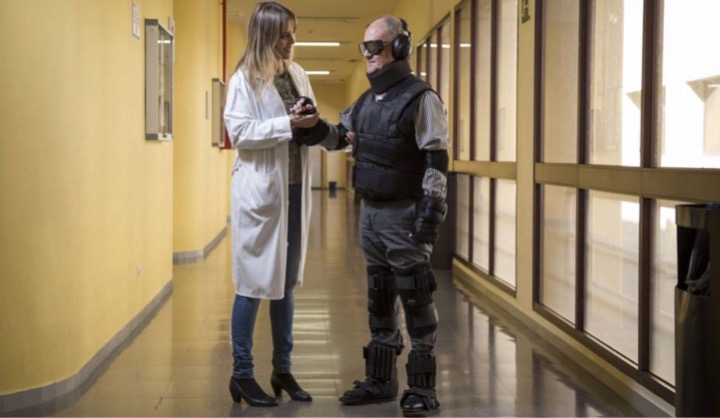
Age 40 years in 5 minutes...
With age comes wisdom, however the physical side of ageing read more

Frailomic Newsletter #8
Welcome to the latest edition of the Frailomic Initiative Newsletter. read more
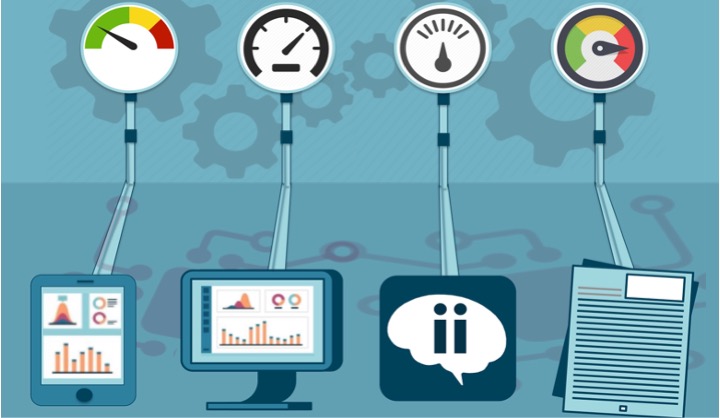
Baffling bibliometics
The prestige of publication has been based on traditional citation metrics read more

Cost – price – value
It is important to note that robust CSR processes should include independent quality control, version control, documented source verification, etc. read more
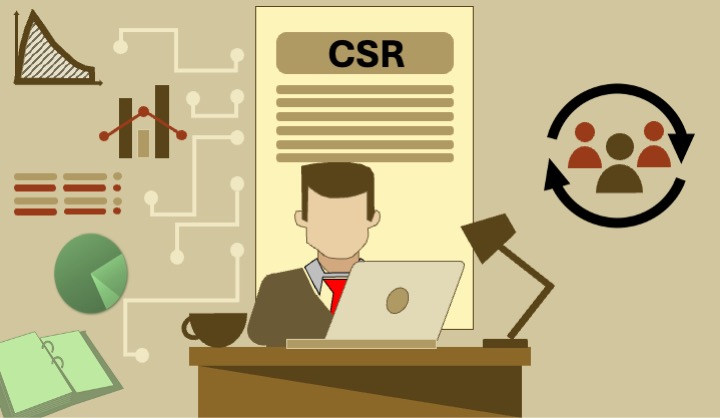
Clinical study reports under the microscope
Metathesiophobia: from Preclinical to Clinical Development read more
Asthma UK discusses RASP-UK
In its recent white paper on severe asthma, The Severe Asthma Report 2017 read more
Killing predatory journals…
We all get them, some of us more than 10 a day, emails from journals read more
Conducting effective literature searches
Searching the literature can take various forms, ranging from a quick scan of recent publications read more
Did you miss this...?
Did you miss our Insider's Insight into understanding the complex world of bibliometrics [1]? read more

12 Days of Nichemas
Since 2013, our Insider's Insights have been a way for Niche read more

An Uncontrolled Paediatric Study in Acute Glucose Exposure
What does Halloween actually do to children's blood sugar? A clinical look at acute glucose loading, the sugar rush myth and paediatric metabolic resilience. read more

Calling postdocs
It can feel like a career in science is about sacrifice. read more
Deep Breath: Issue #3
Download the third issue of the Refractory Asthma Stratification read more
Plagiarism in Biomedical Research: Risks and Best Practices
Understand plagiarism risks in biomedical research and learn how to avoid common mistakes with practical writing and citation practices. read more
Frailomic and MID-Frail (Newsletter #9)
Read the latest newsletter here [1]. In this edition read more

Frailomic Newsletter #7
Welcome to the Frailomic Newsletter Update for 2016. read more
Mentoring – what’s the buzz?
Want a conversation to warm your heart and lift your spirits read more
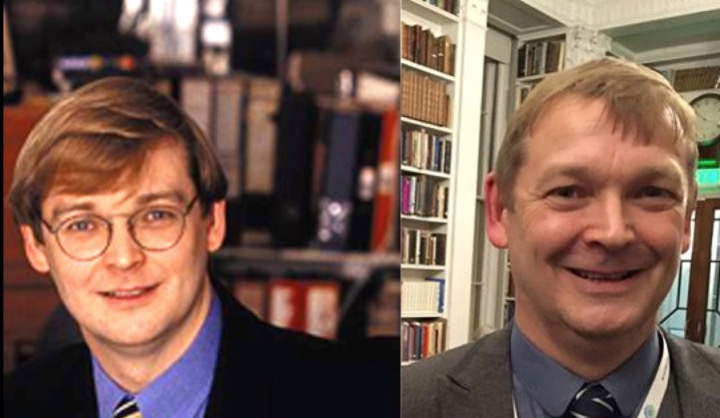
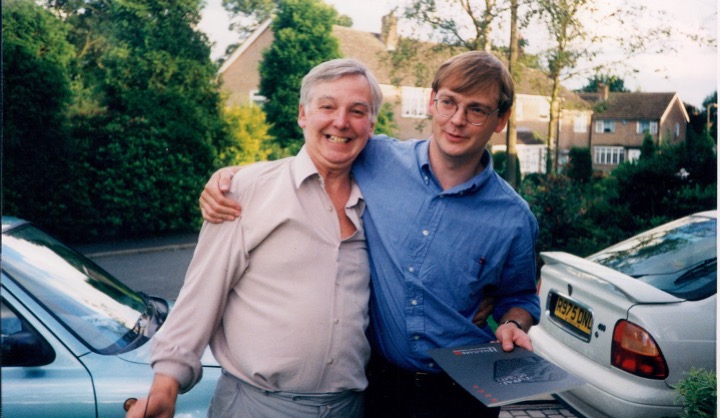
Eighteen Years at Niche: Gratitude, Science, and the People Who Made It Possible
I was planning to post an article on mentorship today read more
Making better PowerPoint presentations
We are sharing our latest Insider’s Insight – Ta dah read more
Top 10 Tips for Selecting the Right Scientific Journal
Journal selection has become a strategic scholarly activity rather than a final administrative step in the research process. read more
Love or passion?
It the time of school retrospectives once again read more
Deep Breath: Issue #2
Welcome to the second issue of the Refractory Asthma Stratification read more
Inside our Insider’s Insights
Metathesiophobia: from Preclinical to Clinical Development read more
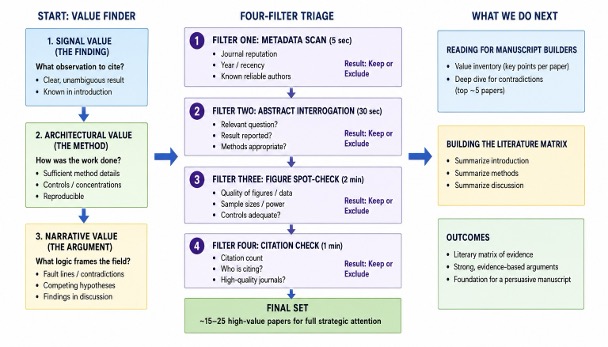
A Strategic Framework for Mastering the Literature
1,963 search results and a 6 week deadline. A practical triage system for finding and extracting value from scientific literature for your manuscript. read more
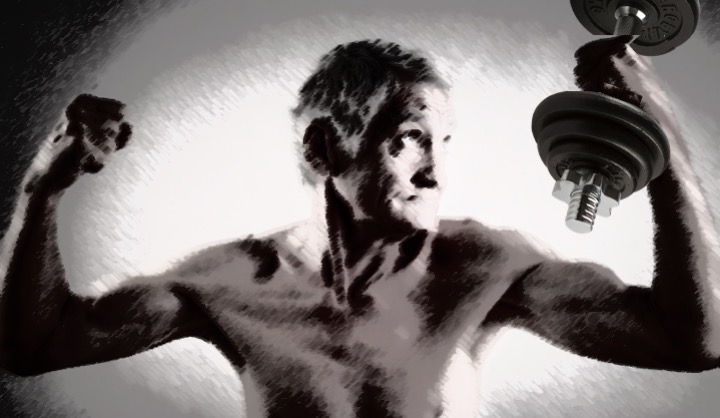
Living longer in good health
Unfortunately, health does not generally improve with age. read more

Women in Clinical Trials
Explore how women’s exclusion from clinical trials shaped medicine and why sex-specific data is essential for precision healthcare today. read more
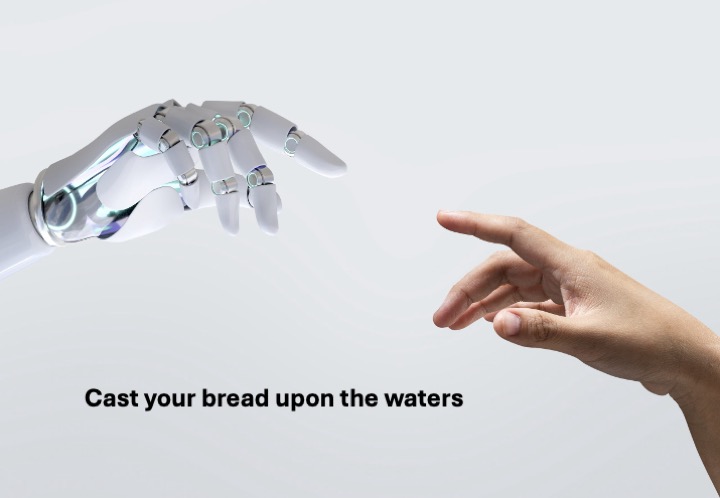
Cast your bread upon the waters
Even though I'm not particularly religious read more
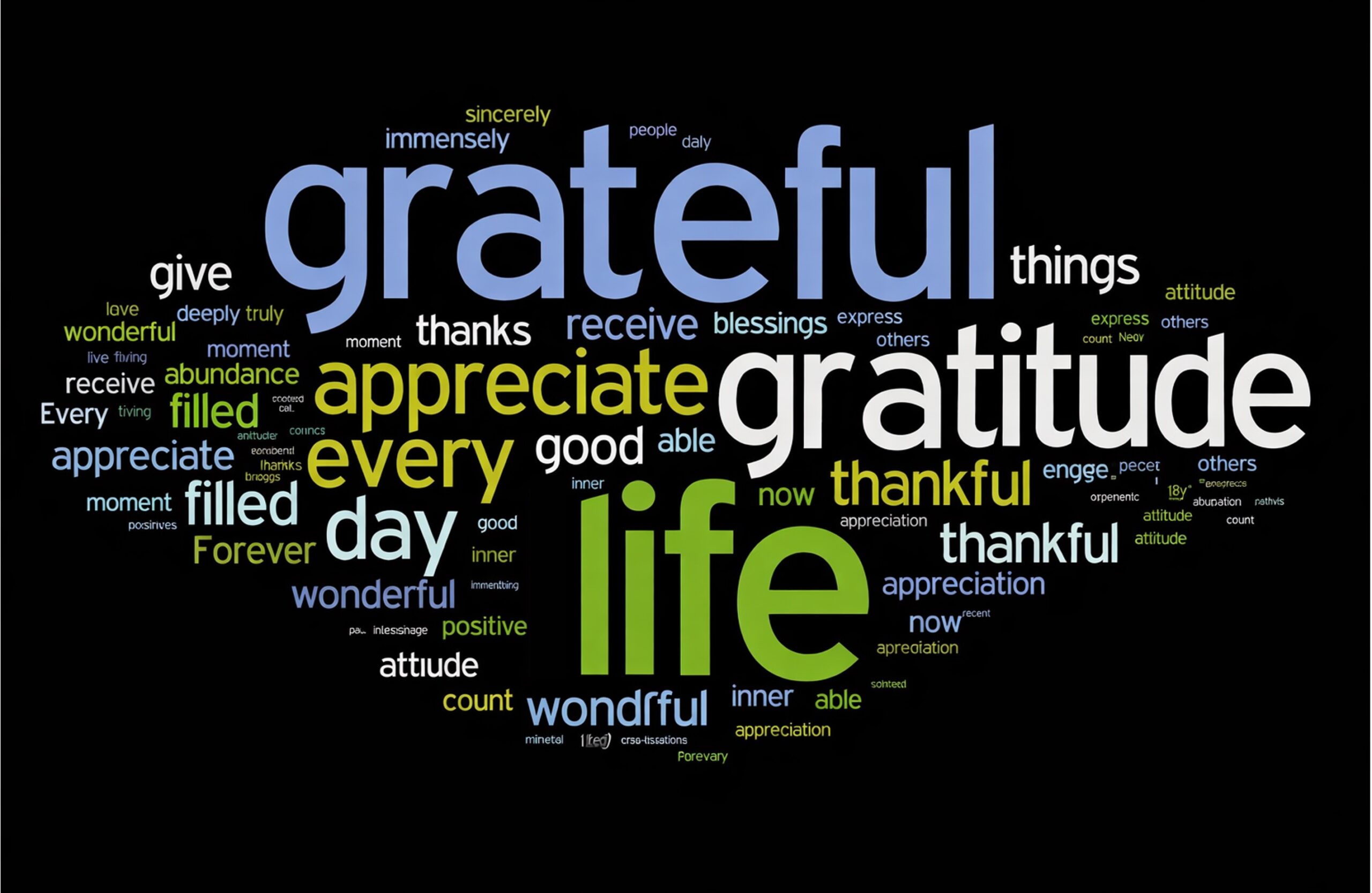
Great to be alive - Thank you
At a time when the news seems to enjoy focusing on bad things read more
RASP-UK on World Asthma Day 2016
World Asthma Day was first launched in 1998 read more
Ready, Aim, Fire!
Metathesiophobia: from Preclinical to Clinical Development read more
Deep Breath: Issue #1
Deep Breath is the official newsletter of the UKs Refactory Asthma read more
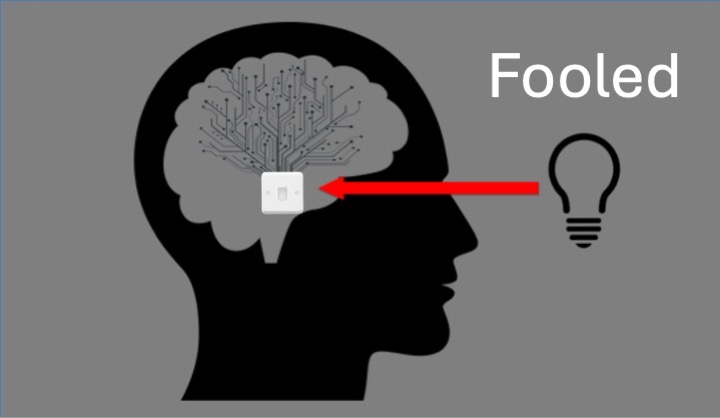
Deceiving your brain: Why April Fools Day pranks work
There is something about primeval about the part of human read more

Frailomic and MID-Frail newsletters (#8 and #6)
Read the latest newsletter from both our MID-Frail read more

Best presents go beyond the 'big reveal'
Buying Christmas presents for people can be difficult read more

Season’s greetings for 2015 and best wishes for the year to come
With the year coming to a close, the Niche team read more
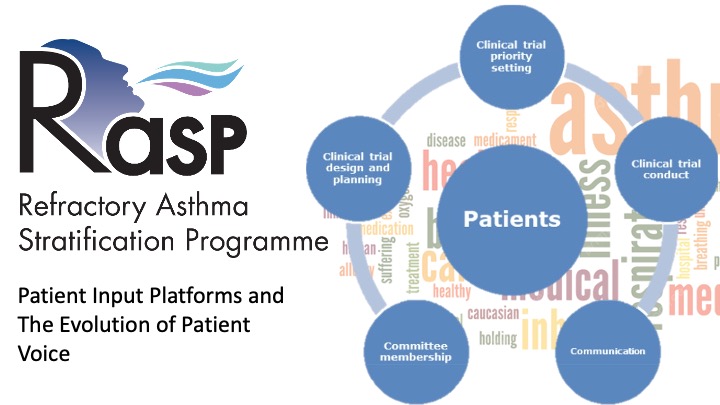
A Visionary Role of Patient Involvement in RASP UK
There is a short summary of a scientific paper called an abstract read more

Five reasons abstracts are important
There is a short summary of a scientific paper called an abstract read more
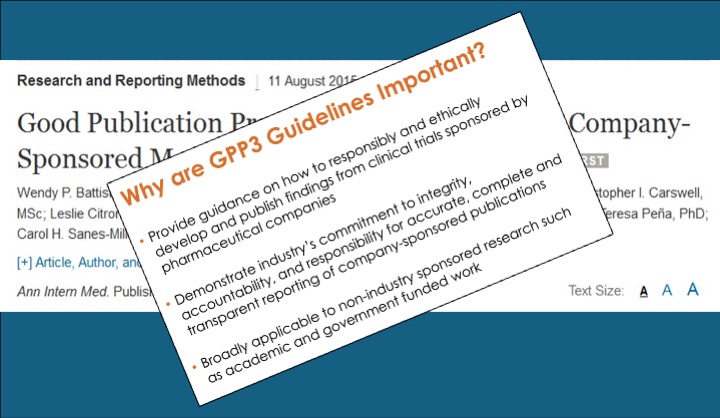
Good Publication Practice 3 and the Evolution of Ethical Industry-Sponsored Clinical Reporting
A new guidance document for the publication of company-sponsored read more
Typing two spaces...
There are people everywhere who use two spaces after a full-stop. read more
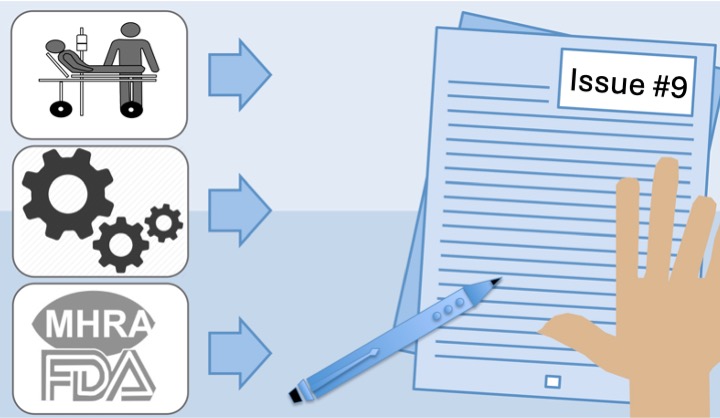
Issue #9 of our Insider's Insights
We've been sharing you our Insider's Insights with you for 2 years now. read more
Bariatric surgery in obese older people: useful or not?
Our publication on the potential benefits of bariatric surgery read more
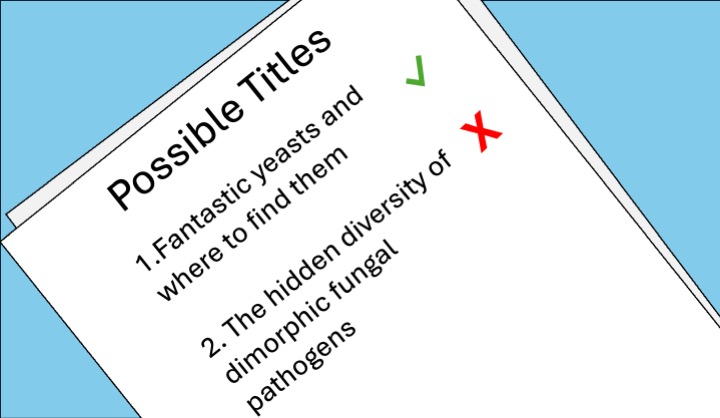
Shorter titles get more citations
Titles are the first thing readers see, yet often they are addressed read more
A New Era for Severe Asthma: RASP-UK First Publication
The first RASP-UK publication outlines a stratified medicine approach to severe asthma using biomarkers and personalised treatment strategies. read more
How to Handle Journal Rejection in Scientific Publishing
Journal rejection is a normal part of scientific publishing. Learn how to respond to reviewer feedback, revise your manuscript, and plan next steps effectively. read more

MID-Frail Newsletter #7
Metathesiophobia: from Preclinical to Clinical Development read more

Frailomic Newsletter #5
We have just released our latest Frailomic consortium read more
Instant Expertise and the Cognitive Science of Rapid Learning
Can anyone become an instant expert? Cognitive science explains the limits of rapid learning, shallow knowledge, and the illusion of expertise. read more

Planning your clinical trial: Avoidable mistakes
Clinical trials are not cheap to conduct, and with data integrity read more
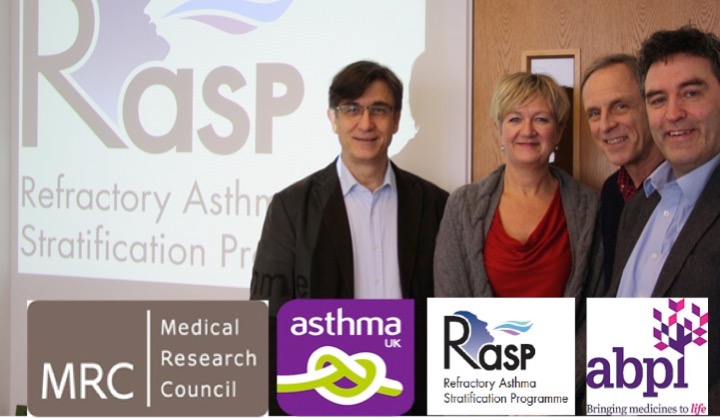
A new Medical Research Council-funded asthma research programme
Our group of academic and industry partners won a big MRC grant yesterday read more

Frailomic newsletter #4
In the UK we have a saying that you wait hours for a bus and then two come along at once. read more

MID-Frail newsletter #6
This essential reading provides readers with a round-up of news on the latest events read more

Season’s greetings for 2014 and best wishes for the year to come
With the year coming to a close, the Niche team are eager to thank all our colleagues read more

Third Frailomic consortium newsletter
You can now download our latest newsletter, detailing how 2014 read more
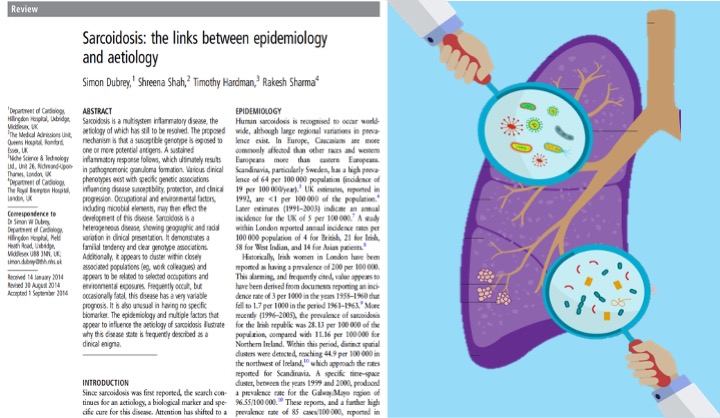
Sarcoidosis: Epidemiological and aetiological links
Our publication on sarcoidosis, a multisystem inflammatory disease read more
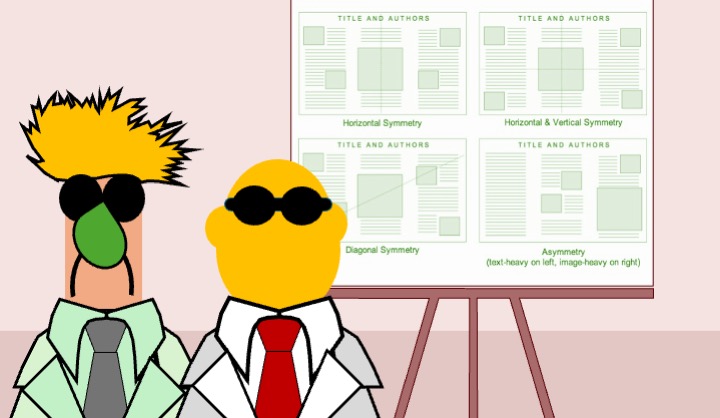
Be the cool kid at congress....
Posters are an excellent opportunity to showcase your work read more
On your marks… we’re about to SPRINTT
Frailty has a dramatic impact on the quality of life of many elderly people read more
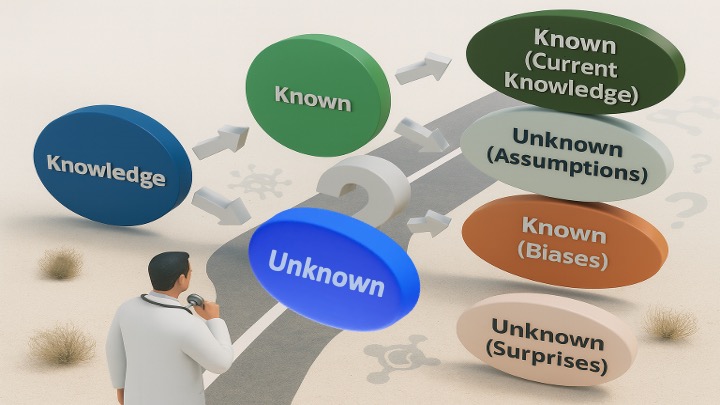
Unknown Knowns
We have some strange terms in the pharma industry read more
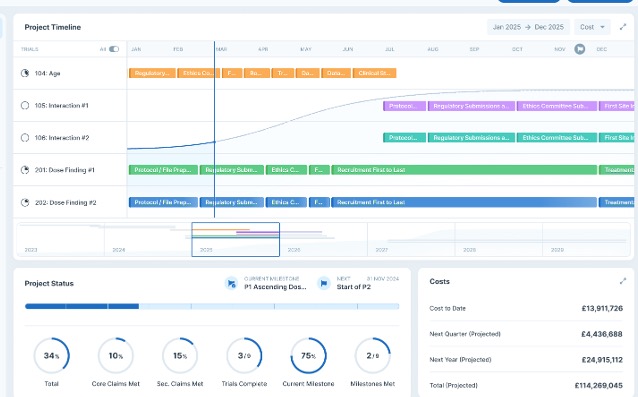
Project Tracking: A valued tool for multiple multidisciplinary projects
If you're managing a project, it's important to stay informed about work progress read more

Second Frailomic consortium newsletter
The coming year is expected to be a very productive year for the consortium read more

The fifth MID-Frail newsletter
The New Year started excellently for MID-Frail with the first patients read more
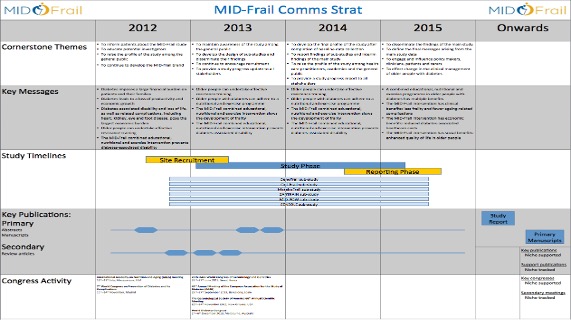
Beyond the Protocol: MID-Frail Embodies Best Practice in Publication Planning
The landscape of diabetes care is shifting as the global population ages. read more

Partners - Thanks for all your involvement in 2013 and our hopes for 2014
With the year coming to a close, the Niche team are eager to thank all our colleagues read more

Good Publication Practice 2: Drivers Toward GPP3
If you have been involved in the pharmaceutical industry for any length read more
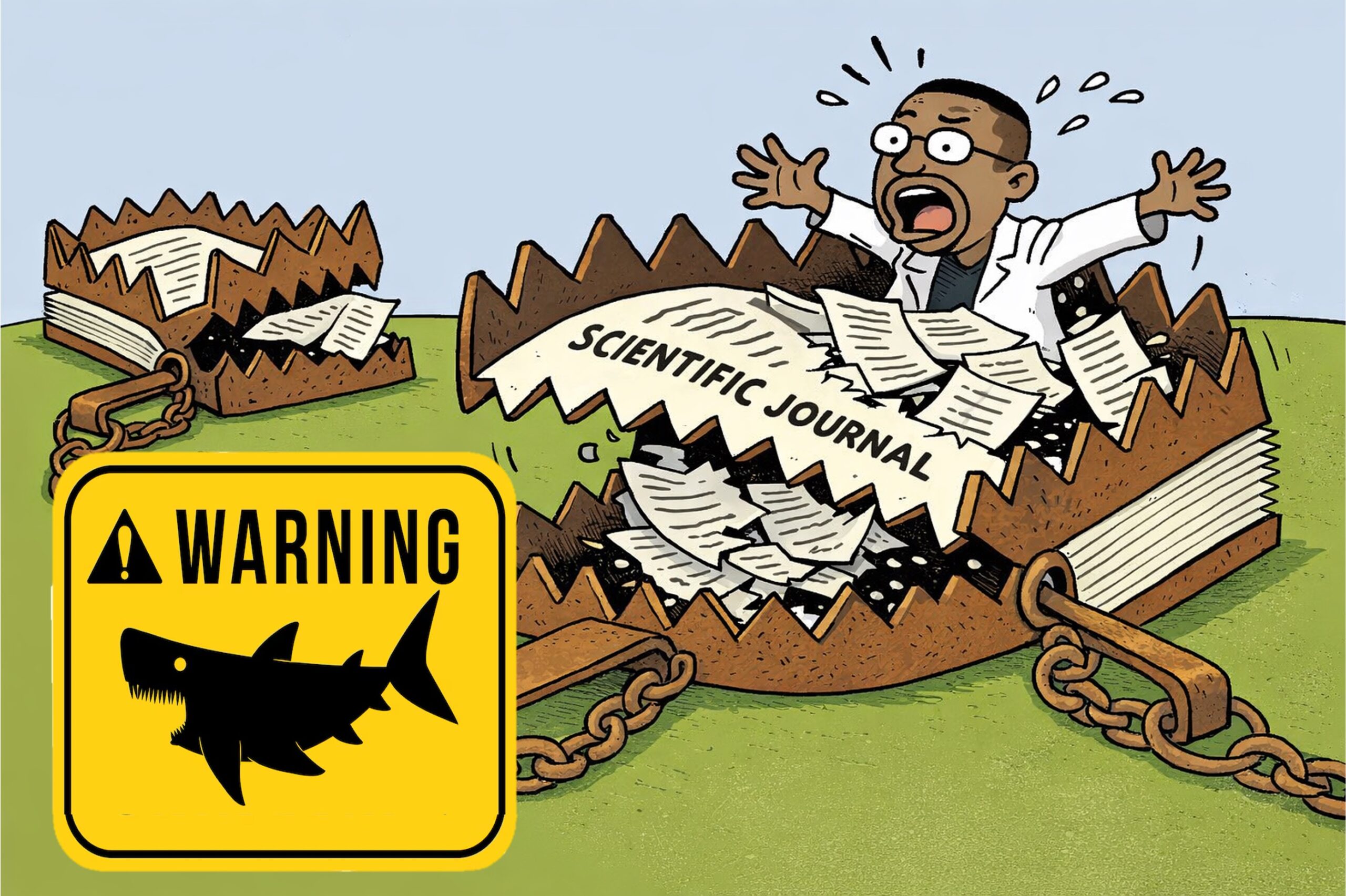
How to Identify Predatory Journals in Academic Publishing
10 warning signs of predatory journals and how researchers can protect their work from unethical publishers and poor peer review practices. read more
The fourth MID-Frail newsletter
We are pleased to bring you the latest edition of the MID-Frail newsletter read more
New therapies in the management of type 2 diabetes mellitus
Our publication on new therapies in the management of type 2 diabetes mellitus read more
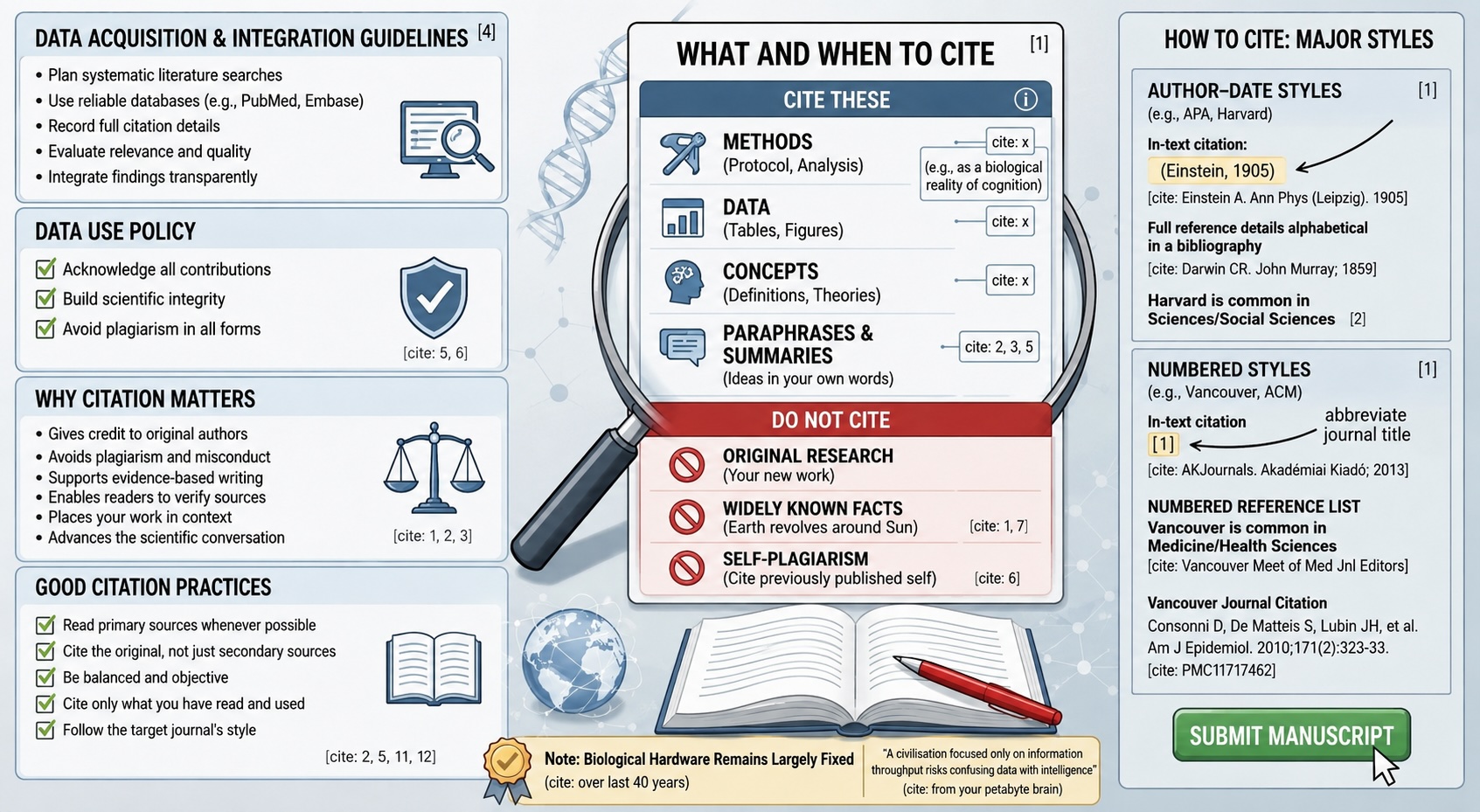
Joining the Scientific Conversation: Citing the Scientific Literature Correctly
cientific knowledge is not created in isolation. Every new experiment, review article, dissertation, textbook chapter, or editorial builds on the discoveries of others. read more
New therapies to reduce low-density lipoprotein cholesterol
ur publication on new therapies to reduce low-density read more
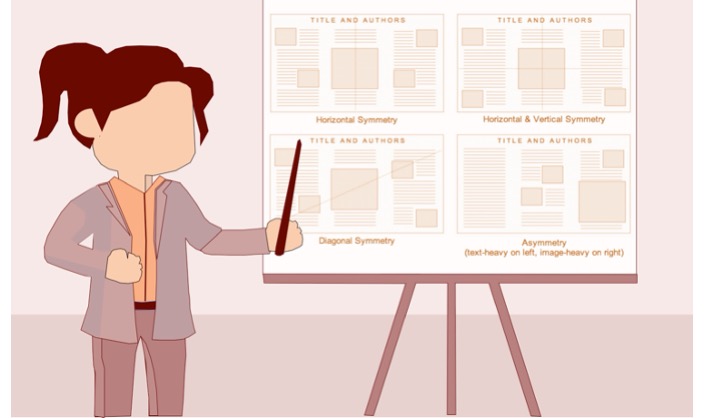
Mastering Poster Layout
Know the difference between an eye-catching, action-inspiring poster read more
First Frailomic consortium newsletter
Welcome everyone to the first issue of the Frailomic consortium read more
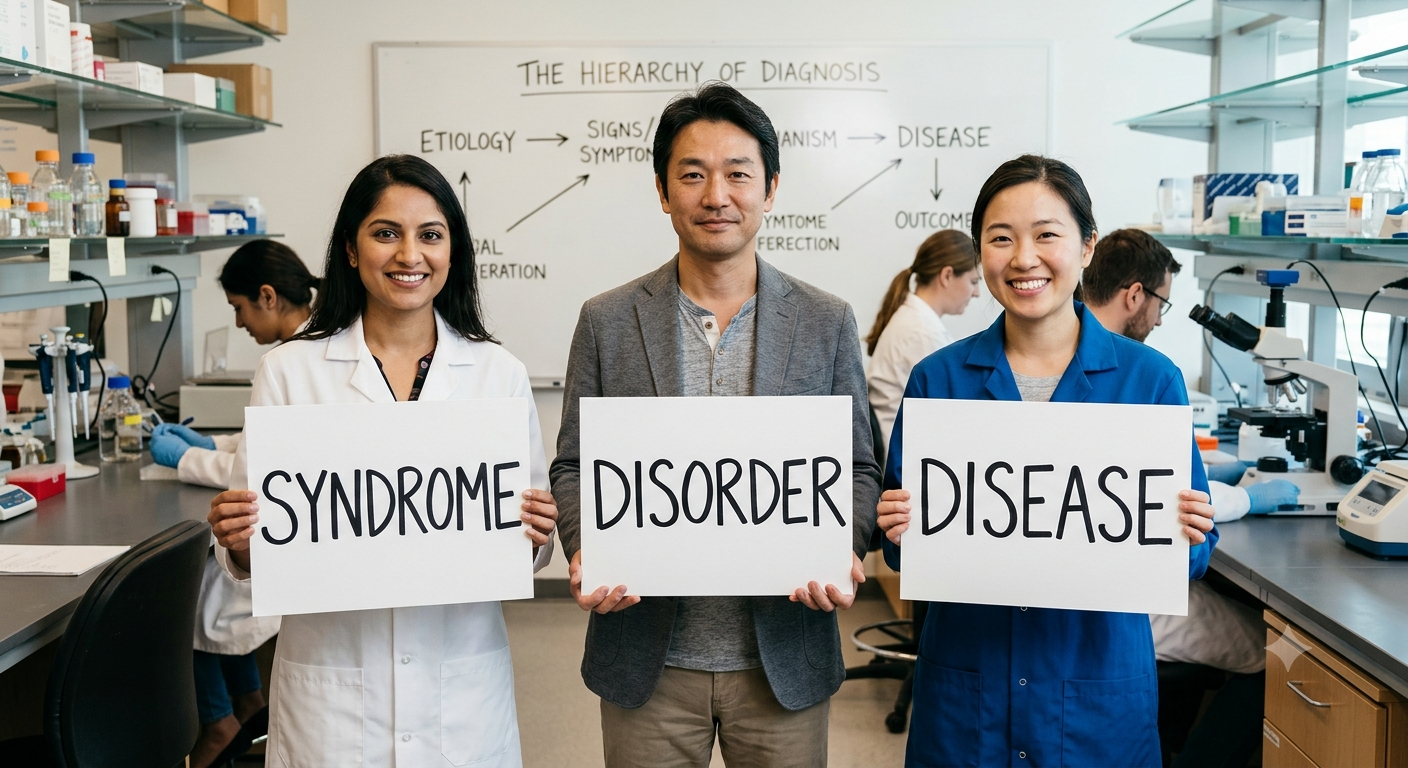
Disease, Disorder or Syndrome: Why the Difference Actually Matters
Disease, disorder and syndrome are often used interchangeably, but they mean different things clinically. A clear guide to the distinctions and why they matter. read more
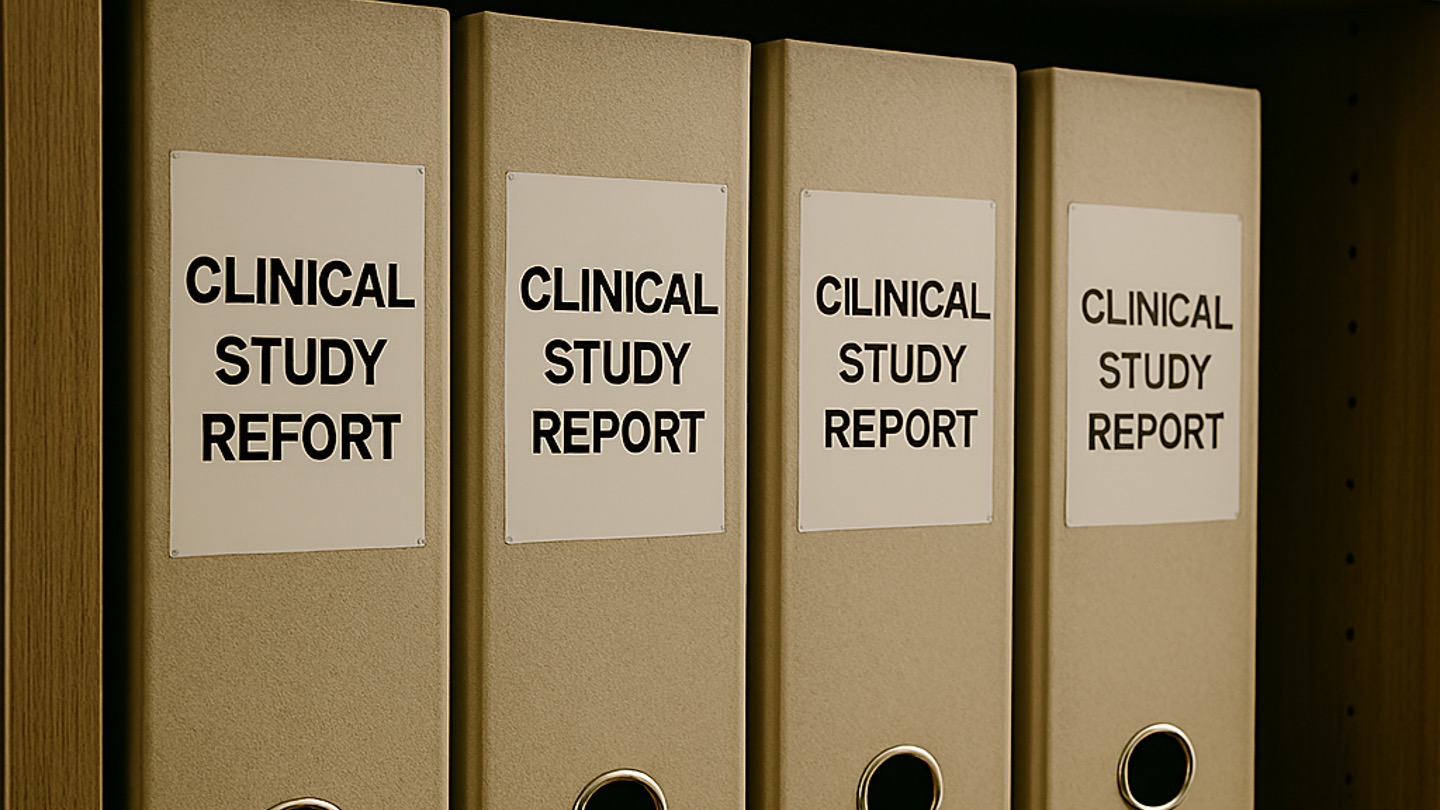
The Clinical Study Report
Welcome everyone to the first issue of the Frailomic consortium read more
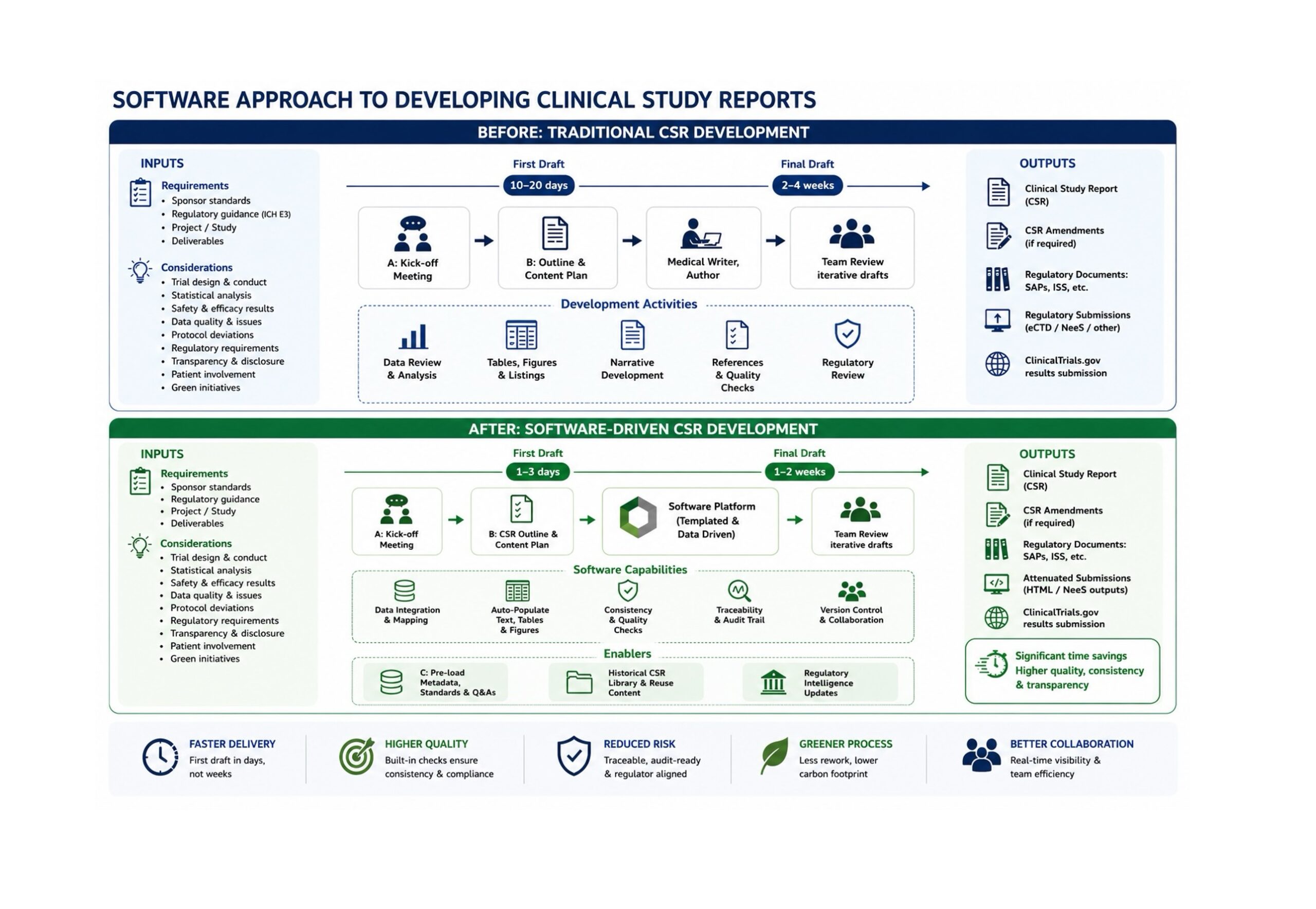
Can Software Write a Clinical Study Report? A Vision for the Future of Regulatory Documentation
CSR preparation remains one of the most manual processes in drug development. The case for software-assisted automation in regulatory writing. read more

The Real Thing
A lot of people say that people don't just buy 'things,' they buy connection read more
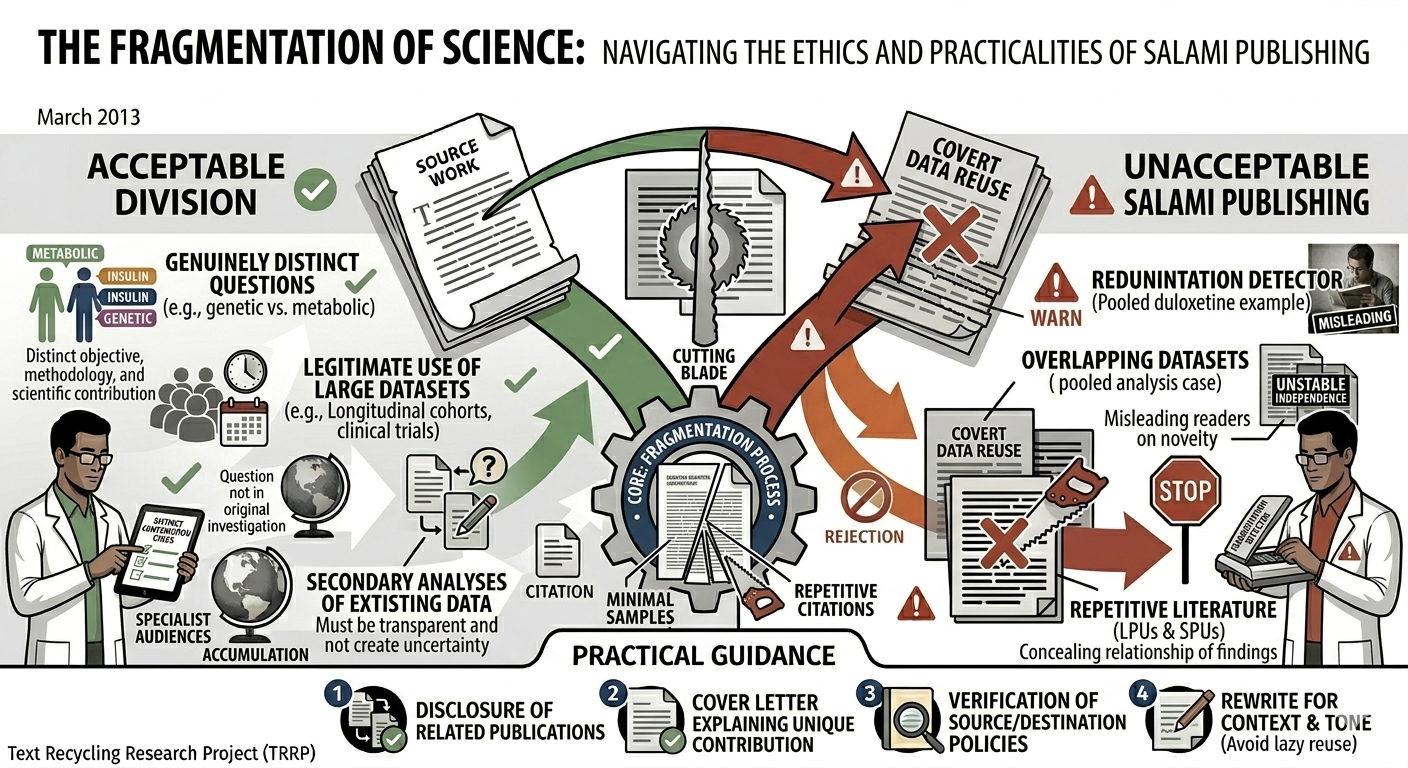
The Fragmentation of Science: Navigating the Ethics and Practicalities of Salami Publishing
When does dividing research into multiple papers cross into unethical fragmentation? A personal account of salami slicing and where the ethical line really sits. read more

FRAILOMIC initiative awarded 7th Framework approval
Niche Science & Technology are playing a key role in the Frailomic project read more

2012 in Review: Transition, Innovation, and Transformation
From gene therapy to cancer immunotherapy, 2012 marked a quiet inflection point in medicine. A look back at the advances that shaped modern precision medicine. read more
Season’s greetings, thanks for all your involvement and things to come
With the year coming to a close, the Niche team are eager to thank all our colleagues read more
New MID-Frail Consortium Newsletter
2012 has been a very busy year for the MID-Frail partners and the study consortium read more

The Physics and Chemistry of Fire
From lignin to light, a bonfire is biology, chemistry and physics in action. The science behind why wood burns, flames glow yellow and ash turns pale grey. read more

Talking Sense About Science
I believed that the central purpose of journalism is to provide the general population read more
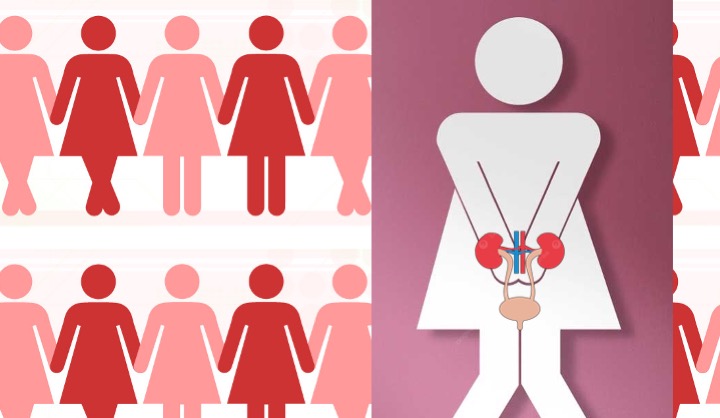
Female urinary incontinence
Our publication on the use of cardiovascular medication in women and continence read more
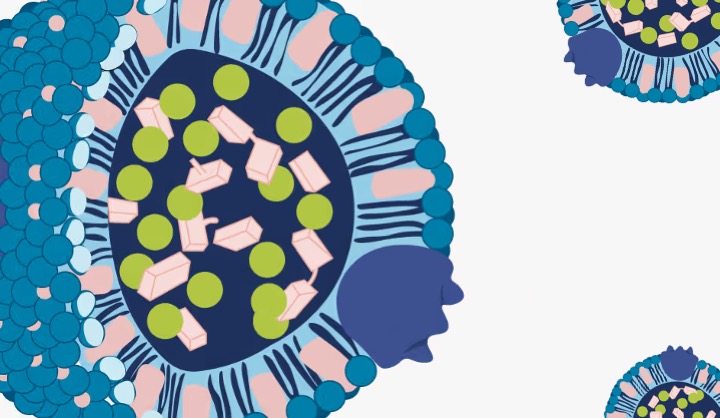
New Lipid-Lowering Drugs: An update
The progression of atherosclerosis, which is responsible for coronary heart disease read more

Grünenthal, maker of thalidomide, issues an apology after 50 years
If you have been involved in the pharmaceutical industry for any length read more

Efficient Document Editing: A three-phase workflow
You can waste a considerable amount of time when reviewing and editing read more
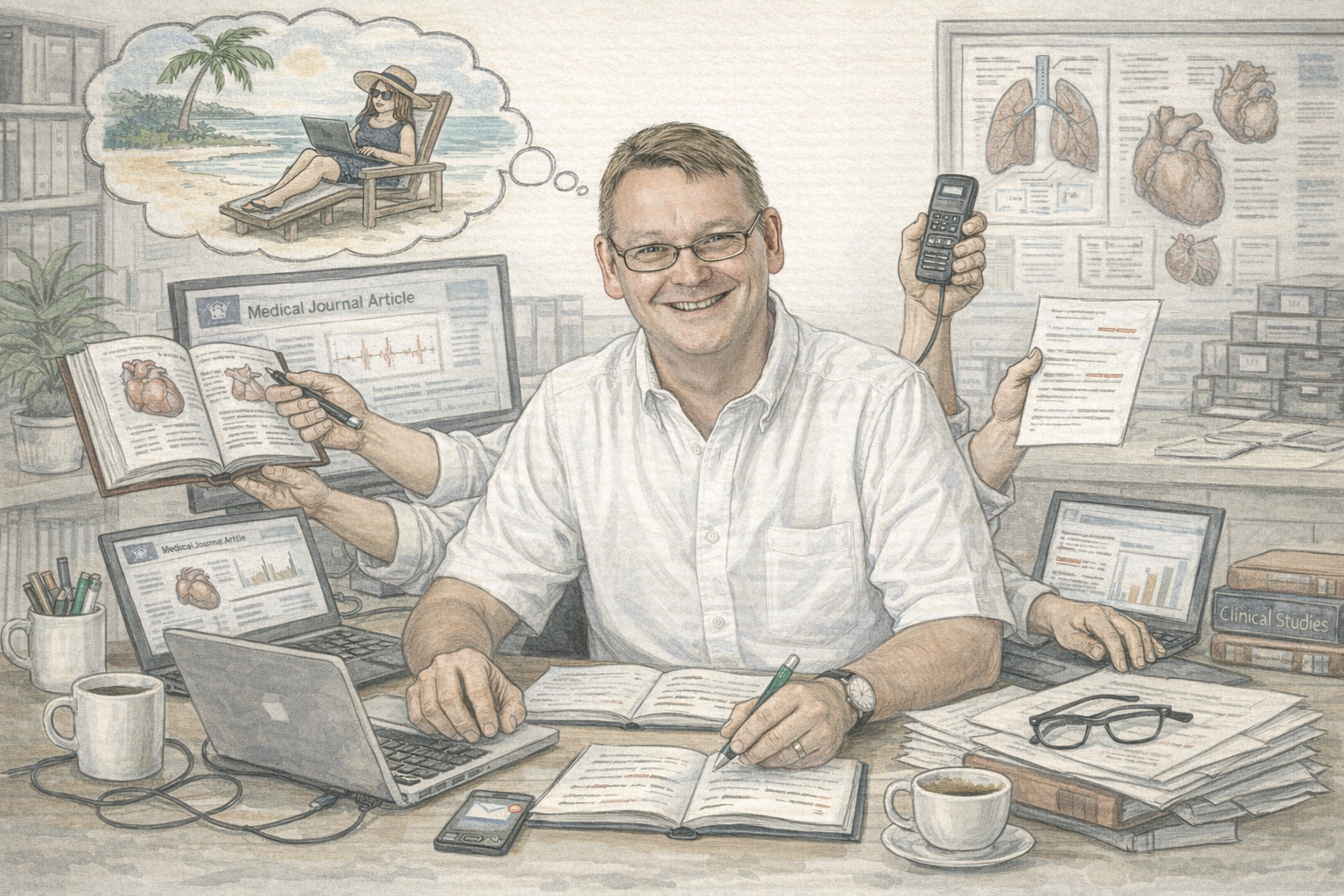
The Journeyman Medical Writer
Medical writing demands more than good grammar. A seasoned perspective on the technical skills, soft skills and resilience needed to thrive as a medical writer. read more
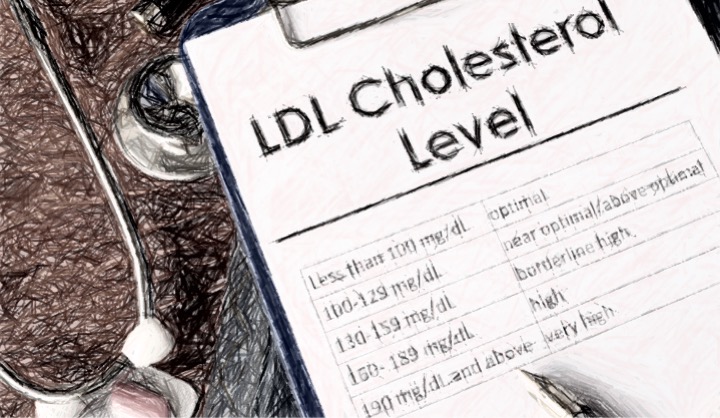
PCSK-9 as a treatment for hyperlipidaemia
Today we had our manuscript on the pre-protein convertase subtilisin kexin (PCSK)-9 read more
Under‑Reporting of Clinical Studies
We have some strange terms in the pharma industry read more

New MID-Frail Consortium Newsletter #2
MID‐Frail News returns with this Special Issue to report on the project development read more

MID-Frail Consortium Newsletter #1
Welcome to the first issue of the MID‐Frail newsletter read more
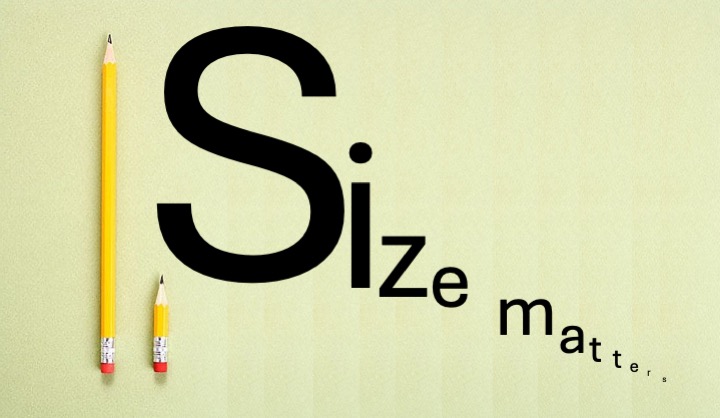
Editing tip: Size is important
Writing that is short is vigorous. read more
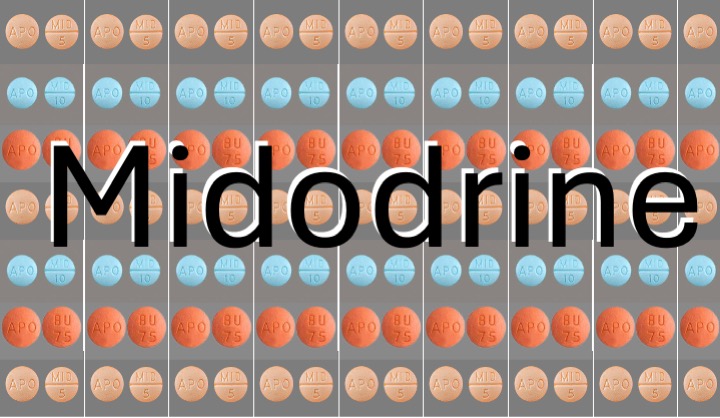
Midodrine: use and current status in the treatment of hypotension
Epidemiological data suggest that at two in five of us will experience read more
MID-Frail awarded 7th Framework approval
Niche Science & Technology Ltd. are leading the team today awarded a Euro 7.5M read more

The Blank Page Problem: How Experienced Medical Writers Beat Writer's Block
Writer's block is real in medical writing and often hits experienced writers hardest. Practical techniques for breaking through when the blank page refuses to move. read more
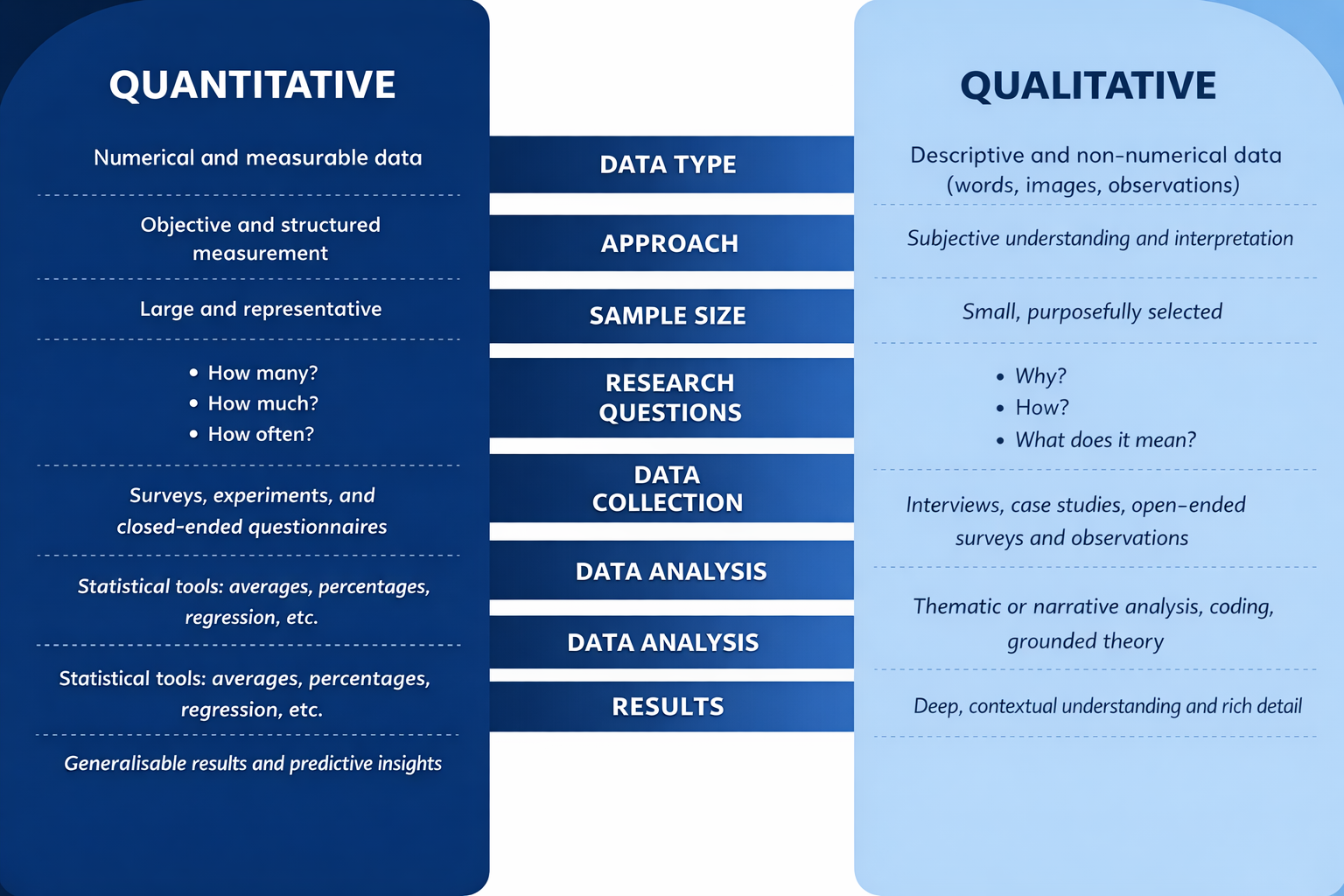
Qualitative and Quantitative Research: A Comparative Scientific Perspective
Qualitative and quantitative research serve different purposes. An overview of their philosophical foundations, methods, strengths and when to use each. read more


