If you have been involved in the pharmaceutical industry for any length of time, you will recognise the thalidomide tragedy as one of the industry’s darkest hours [1,2,3]. The Niche team thought that recent events should not pass without our comment.
Marketed as a sleeping pill that was so safe it could be used in pregnant women, thalidomide caused babies to be born with malformed limbs [1,2,4]. After more than 50 years the manufacturer has apologised [5].
Thalidomide was developed in the 1950s by Chemie Grünenthal GmbH [1,2]. During preclinical research, it was observed that extremely high doses were required to produce acute toxicity in animals, leading to the belief that the drug had a wide safety margin [1,3]. At the time, regulatory frameworks did not require testing in pregnant animals or assessment of teratogenic risk. Thalidomide became available over the counter in Germany in 1956 and was subsequently marketed in multiple European countries . When it was observed to alleviate morning sickness, its use among pregnant women became widespread [1,4].
By the late 1950s and early 1960s, clinicians began reporting concerns regarding possible adverse effects, including peripheral neuropathy associated with long-term use. Reports then emerged of infants born with severe congenital abnormalities to women who had taken thalidomide during pregnancy. However, the causal association between thalidomide exposure and congenital malformations was not firmly established until 1961 [1,4,6]. Before the drug was withdrawn from the market, it is estimated that more than 10,000 children worldwide were affected by thalidomide-associated birth defects [1,2,4].
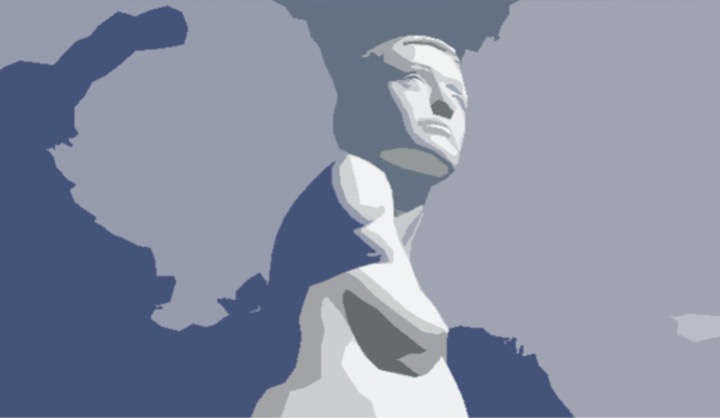
Mr Stock, Grünenthal’s chief executive, issued the company’s apology at the unveiling of a bronze statue symbolising a child born without limbs due to thalidomide exposure [5]. He stated: “We ask for forgiveness that for nearly 50 years we didn’t find a way of reaching out to you from human being to human being,” and further remarked that the company’s long silence reflected the shock caused by the victims’ fate [5].
The thalidomide disaster has frequently been described as a “perfect storm” in pharmaceutical development and regulation [1,2,3]. Nonetheless, debate continues regarding whether Grünenthal could have acted earlier in response to emerging safety signals. The apology has not been universally welcomed, particularly by advocacy groups seeking additional compensation. While compensation has been paid in some countries, including by the drug’s British distributor, and Grünenthal has provided payments to some victims, primarily in Germany, the company has not formally admitted legal liability [1,5]. Compensation claims have persisted in several jurisdictions, including a major class action in Australia.
McBride WG. Thalidomide and congenital abnormalities. Lancet. 1961;278(7216):1358.
Lenz W. Thalidomide and congenital abnormalities. Lancet. 1962;279(7219):45–46.
Stephens TD, Brynner R. Dark Remedy: The Impact of Thalidomide and Its Revival as a Vital Medicine. Cambridge (MA): Perseus Publishing; 2001.
German thalidomide maker Gruenenthal issues apology. BBC News
Taussig HB. A study of the German outbreak of phocomelia. JAMA. 1962;180(12):1106–1114.

Get our latest news and publications
Sign up to our news letterResources
Social


Contact us
Address
Niche Science & Technology
Unit 26 Falstaff House
Bardolph Road
Richmond TW9 2LH
United Kingdom