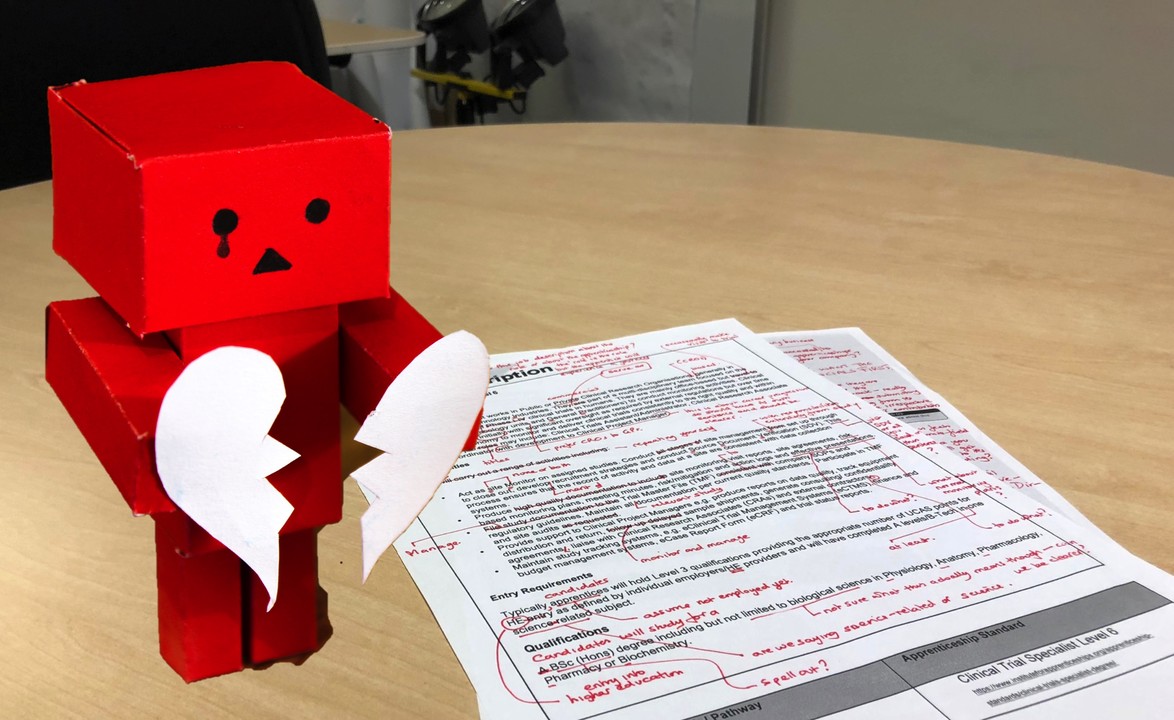
One hack, three steps and six tips: Manuscript rejection is an inevitable part of a scientific career, even for the most seasoned clinical investigators and regulatory professionals. Across disciplines, rejection rates in high‑impact journals routinely exceed 50–90%, reflecting not only competition but the essential gatekeeping function of peer review [1]. For those working at the interface of clinical research, ethics, and regulatory science, where methodological scrutiny is intense and interpretive nuance matters, rejection can feel particularly personal. Yet the way one responds to that rejection often determines the trajectory of the work, the clarity of the science, and the credibility of the investigator.
The generally accepted guidance captures this reality with refreshing candour: “Go ahead, vent your frustration… then get over it… Never do it while you are angry, irritated or generally put out.” This emotional reset is not a soft skill [2]; it is a professional discipline. Studies of peer‑review behaviour show that authors who respond defensively or dismissively fare worse in subsequent rounds of review [3]. A constructive mindset is therefore not merely therapeutic, it is strategic.
The first step recommended in the document, “Review the information provided by the editor and the referees separating out each comment and criticism individually”, aligns with best practice in scholarly communication. Granular deconstruction of reviewer comments reduces cognitive overload and allows authors to distinguish between:
This mirrors the structured rebuttal frameworks described in the editorial literature [4], which emphasise that clarity and organisation in the response document directly influence editorial decision‑making.
For clinical development professionals accustomed to regulatory submissions, this approach will feel familiar. Just as regulators expect point‑by‑point responses to each query, journal editors expect a transparent audit trail of how each comment has been addressed.
The document advises authors to “provide your responses in an alternative colour or typeface to ensure that any changes you make to the text are not missed.” This is more than a formatting preference. Editors and reviewers are time‑constrained; cognitive load theory suggests that reducing search effort increases the likelihood of a favourable evaluation [5]. Clear visual differentiation of revisions demonstrates respect for reviewers’ time and enhances the perceived professionalism of the submission.
Equally important is the tone. The guidance warns against telling reviewers they are wrong or pitting one reviewer against another. This aligns with empirical analyses showing that conciliatory, evidence‑based rebuttals are more successful than confrontational ones [6]. Even when a reviewer’s interpretation is demonstrably incorrect, the most effective strategy is to restate the comment, explain the clarification, and provide supporting evidence.
The third step, “Prepare a letter to the editor explaining your strategy,” is often underestimated. A well‑crafted cover letter can contextualise the revisions, highlight substantive improvements, and reaffirm the scientific contribution of the work. For senior professionals, this is an opportunity to demonstrate leadership in scientific communication: articulate the rationale for your changes, acknowledge the value of the critique, and reaffirm the manuscript’s relevance to the journal’s readership.
Historical analyses of editorial decision‑making show that editors value authors who demonstrate intellectual humility and methodological rigour [7]. A strong letter signals both.
The attached document offers several practical tips that resonate strongly with the broader literature:
This is both ethical and strategic. Reviewer insights are free expert consultation—ignoring them wastes an opportunity to strengthen the work.
Rejection is not a verdict on scientific worth; it is a stage in the refinement of knowledge. For senior clinical and regulatory professionals, responding well to rejection is an extension of the same disciplined thinking applied to protocol development, regulatory negotiation, and ethical review. The process, structured, reflective, and collegial, ultimately strengthens the science and the scientist.
References

Get our latest news and publications
Sign up to our news letterResources
Social


Contact us
Address
Niche Science & Technology
Unit 26 Falstaff House
Bardolph Road
Richmond TW9 2LH
United Kingdom