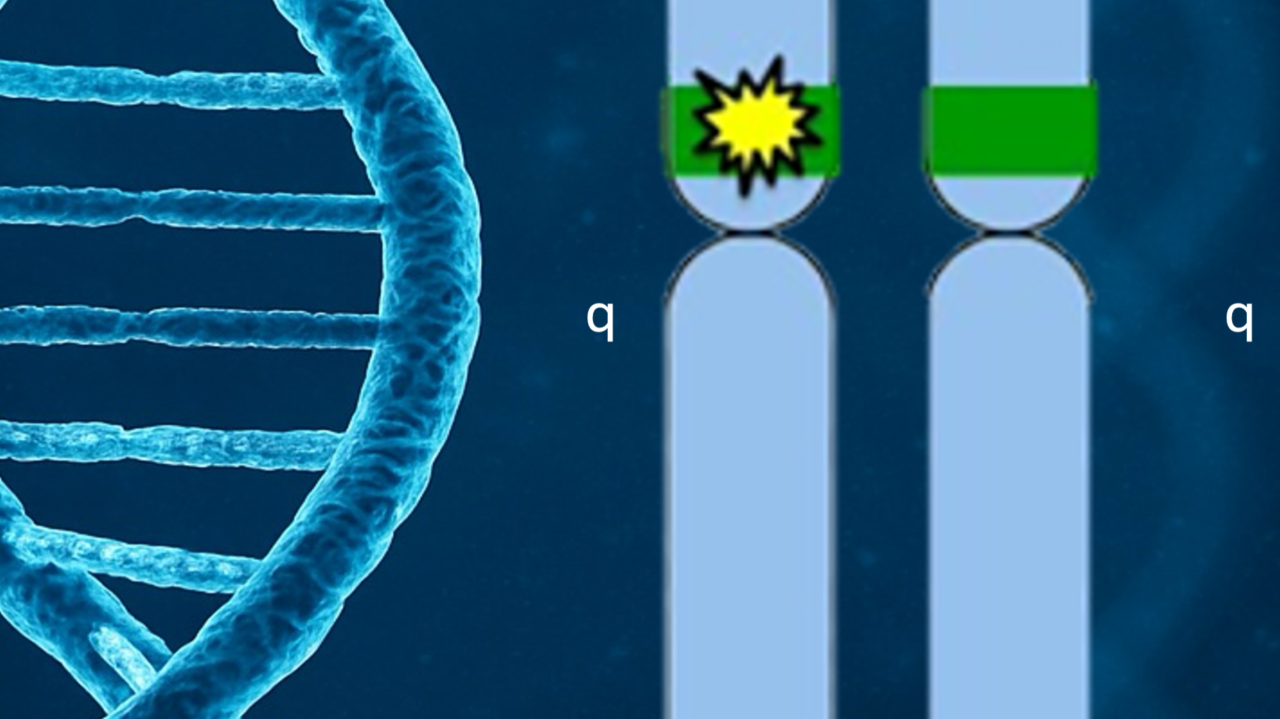
What would you consider a “living hell”?
I clearly remember considering that question for the first time.
I was sitting in the London offices of Orchard Pharmaceuticals as the Programme Physician described to me how young children with a rare disease called Wiskott Aldrich Syndrome (WAS) were suffering a “living hell”. It made an impression. The rare X-linked condition that occurs mainly in boys is associated with eczema, frequent infections, and an inability for your blood to clot. Children’s lives are plagued with repeated hospitalisations for severe episodes of thrush, pneumonia and bruising, and patients often suffer rheumatoid arthritis, leukaemia or lymphoma.
Relief is largely symptomatic: antibiotics to treat infections and debilitating rounds of blood infusions to replace missing antibodies. A “living hell” for patients and their parents. So much so, that one family arrived unannounced on the steps of the Italian hospital pioneering a gene therapy for WAS begging them to treat their son; they had flown from Argentina to Spain and caught a bus to Milan, all in the hope of finding a cure. Hope can take you a long way.
The Niche team had been asked to work on a gene therapy for WAS some 6 years prior to my revelation, when a blue-chip pharma company was working in collaboration with Fondazione Telethon and San Raffaele Telethon Institute for Gene Therapy (SR-Tiget) to develop novel gene therapies. Niche had already worked successfully on the submission for the first licenced gene therapy: StrimvelisTM.
Following the meandering development pathway, so typical of our industry, the gene therapies we had worked on previously found their way to Orchard Pharmaceuticals (read our Case History here Orchard Therapeutics plc). We had been talking with Orchard in 2015 when the company first formed. We quickly set to work, updating WAS clinical trial reports and preparing the clinical modules of the CTD for the submission to the European Medicines Agency (EMA).
In another twist, Orchard was fully acquired by Kyowa Kirin, a Japanese specialty pharma company and the WAS programme was not aligned with the new management. The therapy found its way back to the originator of the technology, Fondazione Telethon and SR-Tiget. Once again, we were asked to continue our work and we took on the task of preparing the clinical trial reports and modules for the CTD which was submitted to the EMA in Quarter 4 2024.
We are delighted to note that the EMA have just announced their decision: gene therapy approved, Waskyra (etuvetidigene autotemcel). It’s rare in the pharmaceutical industry that a team gets to see their efforts come to a fruition, knowing that the young patients going through a living hell have hope at last in a treatment that works.
Working in a contract research organisation you accept that you’re a small cog in the machine, you play your part trying to help patients. Although we have been flying under the radar, the Niche team have been a not-insignificant cog in a highly complex machine since 2013. The project has probably touched everyone in our small organisation over the last decade and we are proud to have made our contribution. Many professionals work for years without seeing a treatment licensed, so today we celebrate the fruits of our labour.
Get our latest news and publications
Sign up to our news letterResources
Social


Contact us
Address
Niche Science & Technology
Unit 26 Falstaff House
Bardolph Road
Richmond TW9 2LH
United Kingdom