For much of the twentieth century, patients in clinical research were positioned primarily as subjects of experimentation rather than active partners in the research enterprise. Although the ethical frameworks established after the Nuremberg Code and the Declaration of Helsinki strengthened protections for human participants, they did not fundamentally alter the asymmetry between investigators and patients [1,2]. Trial design, endpoint selection, and benefit–risk assessments were largely determined by clinicians, sponsors, and regulators, with limited systematic input from those living with the conditions under study.
Over the past three decades, this paradigm has shifted. Patient advocacy movements, advances in outcomes research, and regulatory initiatives have elevated the importance of patient perspectives in drug development. From my experience in industry, this transition has not been merely rhetorical; it has reshaped protocol design, endpoint strategy, and regulatory dialogue. Listening to patients is no longer viewed solely as an ethical imperative but as a scientific necessity. Integrating patient voice enhances trial feasibility, relevance, and ultimately the likelihood that new medicines address outcomes that matter in real-world settings.
Historical Evolution: From Passive Subjects to Emerging Stakeholders
Early clinical trials were grounded in paternalistic models of medicine. Although informed consent became formalised through the Declaration of Helsinki [2] and the Belmont Report [3], patients remained largely excluded from decisions about what questions should be asked or which outcomes should define success. Investigators selected endpoints based primarily on clinical or surrogate measures, sometimes with limited correlation to patient experience.
The HIV/AIDS crisis of the 1980s marked a critical inflection point. Activist groups demanded accelerated access to investigational therapies and greater transparency in trial processes, directly influencing regulatory pathways and trial design [4]. This period demonstrated that patient advocacy could meaningfully reshape research priorities and regulatory policy.
Failure to incorporate patient perspectives has had tangible consequences. For example, reliance on surrogate endpoints without adequate understanding of patient-centred outcomes has led to therapies that improved laboratory parameters but did not enhance — and in some cases worsened — quality of life [5]. In oncology, traditional response criteria often failed to capture symptom burden and functional impairment experienced by patients, prompting calls for patient-reported outcomes (PROs) to complement clinician-reported measures [6].
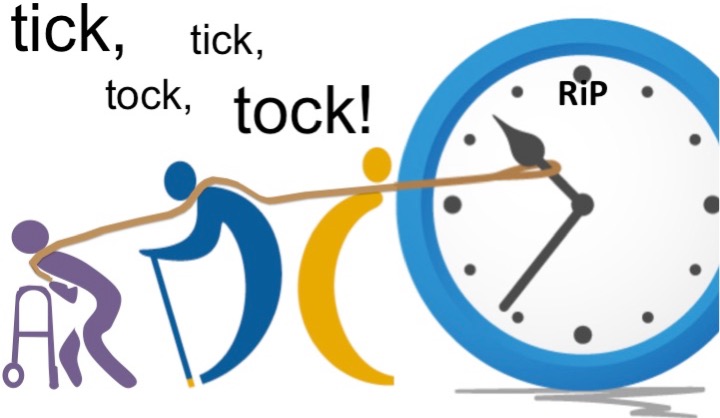
In addition, inadequate attention to patient burden has contributed to poor recruitment and high attrition in trials, delaying development timelines and limiting generalisability [7]. Historically, eligibility criteria frequently excluded older adults and patients with comorbidities, producing evidence that did not reflect real-world populations [8]. These examples underscore how marginalising patient voice can compromise both scientific validity and ethical responsibility.
Current State: Institutionalising Patient Engagement
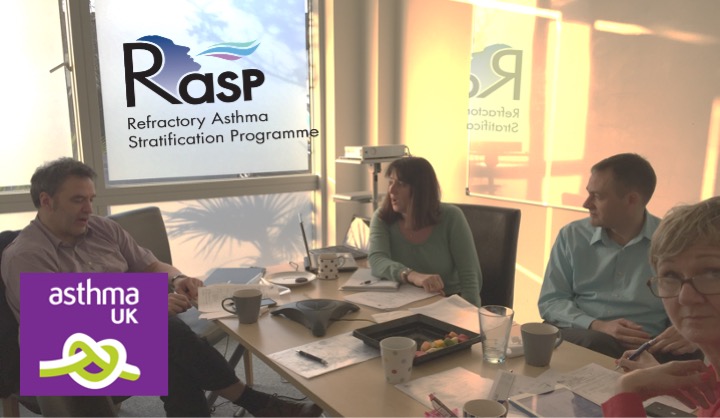
In recent years, patient involvement has moved from advocacy-driven influence to structured integration within drug development. In our Medical Research Council’s Refractory Asthma Stratification Programme (RASP‑UK), we feel we were somewhat visionary in 2015 we included patients in all aspects of the programme, where their inclusion was so much more than simply symbolic [10]. Like few studies before it, by listening to patients, before the first participant is enrolled, we laid the foundation for discoveries that were not only scientifically robust but deeply meaningful to those who would benefit most.
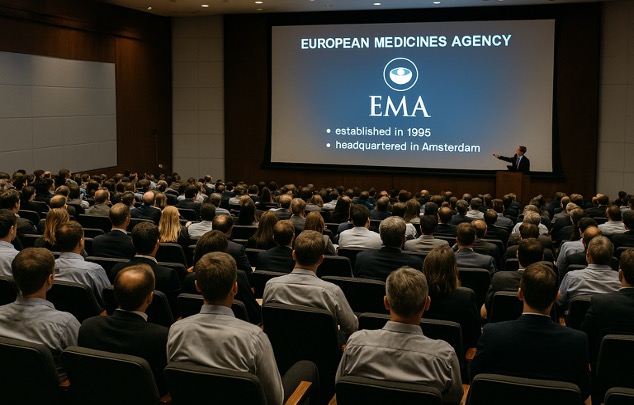
Regulatory authorities have played a central role. The US Food and Drug Administration (FDA) launched the Patient-Focused Drug Development (PFDD) initiative in 2013, systematically gathering patient input to inform regulatory decision-making [9]. Subsequent FDA guidance on patient-reported outcome measures and patient experience data formalised expectations that sponsors collect and analyse data reflecting patient perspectives [11]. Similarly, the European Medicines Agency (EMA) has expanded mechanisms for patient participation in scientific advice and benefit–risk evaluation [12].
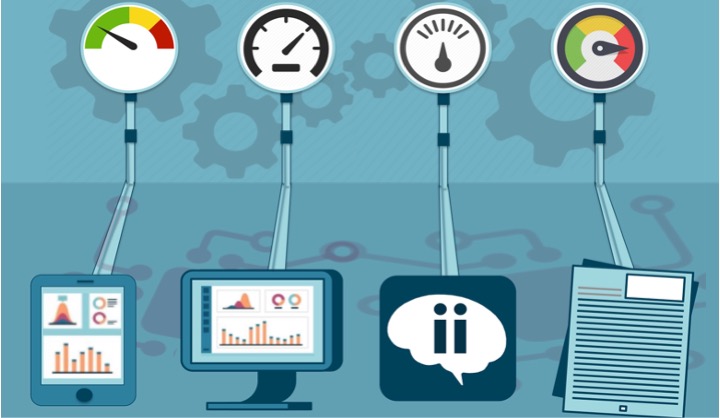
Methodologically, the development and validation of PRO instruments has strengthened the evidentiary basis for patient-centred outcomes [13]. The inclusion of validated PRO endpoints in clinical trials has improved the ability to detect treatment effects meaningful to patients, particularly in chronic diseases such as rheumatoid arthritis and oncology [6,13].
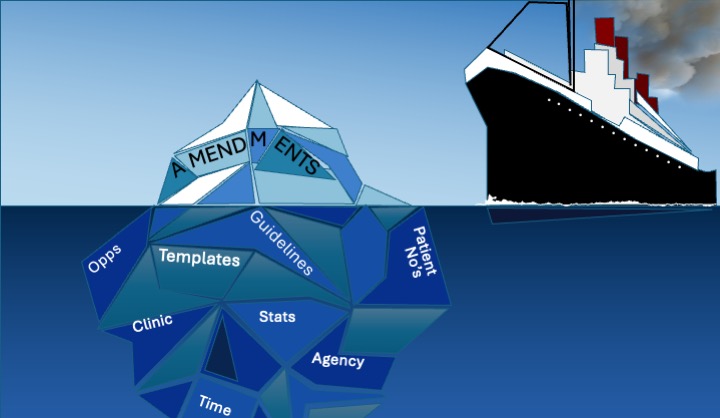
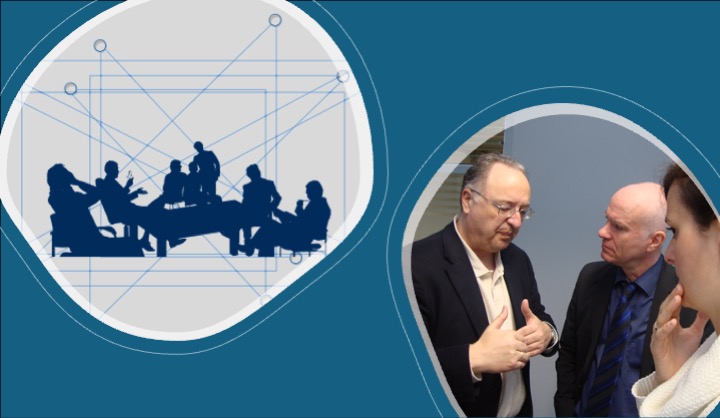
Operationally, many sponsors now convene patient advisory boards during protocol development to assess feasibility, burden, and endpoint relevance. Empirical studies indicate that early patient engagement can improve recruitment, retention, and protocol adherence [14]. From my professional experience, incorporating patient insights into visit schedules, consent materials, and endpoint prioritisation has reduced protocol amendments and enhanced trial execution.
Importantly, patient engagement is no longer confined to anecdotal consultation. It is increasingly embedded within governance frameworks, supported by structured methodologies for capturing and analysing patient input. This institutionalisation reflects recognition that patient voice enhances not only ethical legitimacy but also regulatory robustness and commercial sustainability.
Future Directions: Toward Co-Creation and Real-World Integration
The next phase of patient engagement is likely to move beyond consultation toward co-creation. Digital technologies enable continuous collection of patient-generated health data, offering insights into day-to-day experiences outside the clinical trial setting [15]. Real-world evidence (RWE), increasingly recognised by regulators, provides opportunities to integrate patient-reported and behavioural data into development programmes [16].
Future models may involve patients in priority-setting exercises, endpoint selection workshops, and even governance committees. Frameworks such as INVOLVE in the United Kingdom have demonstrated how structured patient and public involvement can shape research agendas [17]. As diversity and inclusion gain prominence, greater effort will be needed to ensure that patient voice reflects broad demographic and socioeconomic representation rather than a narrow subset of advocates.
The benefits are substantial. Trials designed with patient input may demonstrate improved external validity, higher enrolment rates, and endpoints more predictive of long-term adherence and satisfaction. Medicines developed through patient-informed pathways are more likely to address functional outcomes, symptom relief, and quality of life, dimensions central to real-world effectiveness.
However, meaningful engagement requires investment, training, and governance. Tokenistic involvement risks undermining credibility. Sustained commitment to methodological rigour and transparency will determine whether patient voice continues to evolve as a core scientific asset.
Conclusion
The evolution of patient voice in clinical research represents a profound transformation in how medicines are developed. What began as ethical protection of passive subjects has matured into recognition of patients as informed partners whose lived experience strengthens scientific validity. Historical failures to listen, from inappropriate endpoints to burdensome protocols, have demonstrated the costs of exclusion. Today, structured engagement, regulatory endorsement, and validated patient-centred methodologies signal a more collaborative era. Looking ahead, deeper integration of patient insights promises not only to enhance research efficiency but also to produce therapies better aligned with the realities of daily life. For industry, embracing patient voice is not merely reputationally prudent; it is fundamental to developing better medicines and delivering meaningful benefit to those we serve.
References
- Nuremberg Code. Trials of War Criminals before the Nuremberg Military Tribunals. 1947.
- World Medical Association. Declaration of Helsinki. JAMA. 2013;310(20):2191–2194.
- National Commission for the Protection of Human Subjects of Biomedical and Behavioral Research. The Belmont Report. 1979.
- Epstein S. Impure Science: AIDS, Activism, and the Politics of Knowledge. University of California Press; 1998.
- Fleming TR, DeMets DL. Surrogate end points in clinical trials. Ann Intern Med. 1996;125:605–613.
- Basch E. Patient-reported outcomes — harnessing patients’ voices. N Engl J Med. 2017;376:105–108.
- Walters SJ, Bonacho Dos Anjos Henriques-Cadby I, et al. Recruitment and retention of participants in randomised controlled trials. Trials. 2017;18:429.
- Zulman DM, Sussman JB, Chen X, Cigolle CT, Blaum CS, Hayward RA. Examining the evidence: a systematic review of the inclusion and analysis of older adults in randomized controlled trials. J Gen Intern Med. 2011;26(7):783–790.
- Perfetto EM, Burke L, Oehrlein EM, Epstein RS. Patient-Focused Drug Development: A New Direction for Collaboration. Med Care. 2015;53(1):9–17
- Hardman TC (2015). A Visionary Role of Patient Involvement in RASP UK.
- US Food and Drug Administration. Guidance for Industry: Patient-Reported Outcome Measures. 2009.
- Haerry D, Landgraf C, Warner K, Hunter A, Klingmann I, May M, See W. EUPATI and Patients in Medicines Research and Development: Guidance for Patient Involvement in Regulatory Processes. Front Med (Lausanne). 2018 Aug 17;5:230
- FDA. Guidance for Industry: PRO Measures. 2009.
- Crocker JC, et al. Impact of patient and public involvement on enrolment and retention. BMJ Open. 2018;8:e019417.
- Izmailova ES, Wagner JA, Perakslis ED. Wearable devices in clinical trials. Clin Pharmacol Ther. 2018;104:36–41.
- Franklin JM, Liaw KL, Iyasu S, Critchlow CW, Dreyer NA. Real-world evidence to support regulatory decision making: New or expanded medical product indications. Pharmacoepidemiol Drug Saf. 2021 Jun;30(6):685-693
- Coulman KD, Nicholson A, Shaw A, Daykin A, Selman LE, Macefield R, Shorter GW, Cramer H, Sydes MR, Gamble C, Pick ME, Taylor G, Lane JA. Understanding and optimising patient and public involvement in trial oversight: an ethnographic study of eight clinical trials. (2020) 21:543