Never judge a book by its cover, we know it, but we all do it. When working on a document I try to keep titles short and to the point, particularly scientific manuscripts. From my own experience searching through reams of references I know that titles longer than a single line are a pain. Research published in recent years seems to underline my own observations. Apparently, you can predict the popularity of a scientific paper from the length of its title. It turns out that brevity can earn a paper more attention. More correctly, analysis shows that articles with shorter titles tend to get cited more often than those with longer headers [1].
This idea first gained significant traction with a landmark 2010 study which analysed thousands of papers across a range of scientific disciplines and found a clear, inverse relationship between title length and citation counts [1][2]. Further supporting this, a 2012 study focusing on medical education journals confirmed that shorter titles were associated with higher citation rates, suggesting that conciseness helps a paper's key message cut through the clutter [3].
For certain, titles are the first thing that readers see, and yet they are the aspect of your work that is given the least attention. Yes, creating a title can take you just a few seconds, but does that investment of time reflect the potential impact it could have?
In effect, titles directly influence the number of people who end up reading your work. People use online databases like PubMed and Google Scholar to search for relevant materials. That's why, if you want your article to appear in search results, you should ensure that its title is a good reflection of what you are reporting and that it attracts the right audience. The words you use will determine whether your audience will find your work, and when they do, whether they chose to simply overlook it or explore it further.
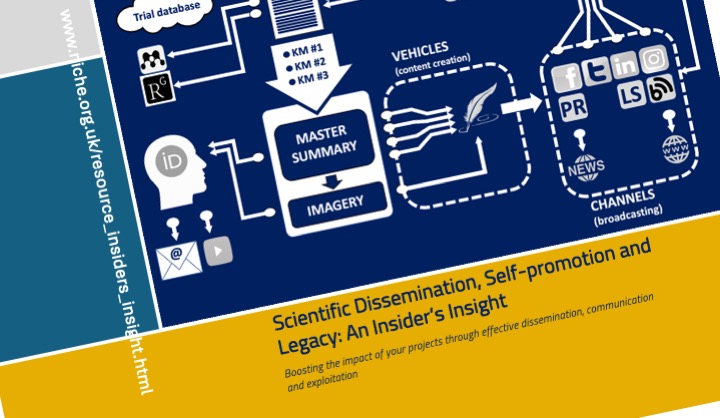
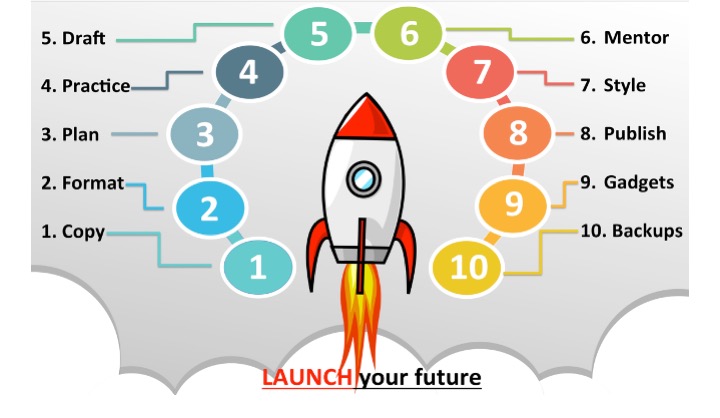
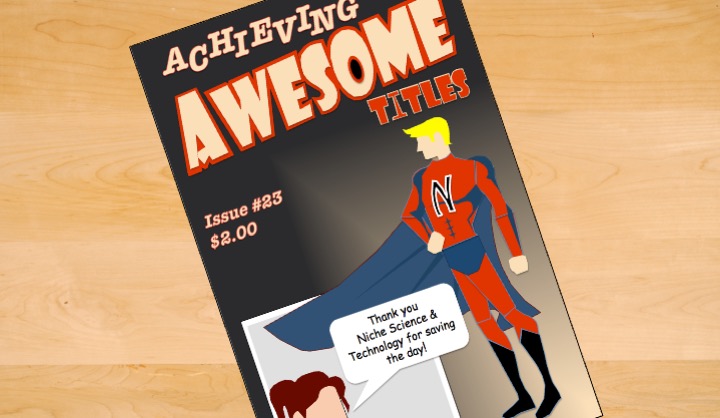
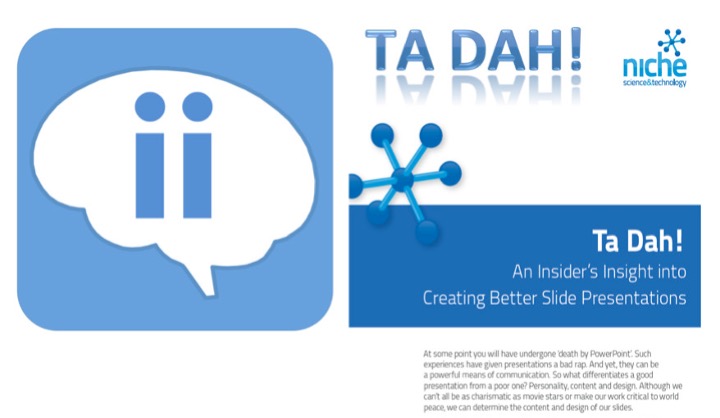
I first became interested in the influence titles could have when I was writing up my PhD. I wrote myself a list of key points to remember when creating titles. I have updated it several times over the years. We converted the list to a guide on how to write brilliant titles when Niche started publishing its Insider's Insights a few years ago [4]. There are some great short titles. For example, The Lancet published an article entitled 'Myopia' and another called 'Measles'. Of my own work my favourite is "Sodium-Glucose Co-Transporter 2 Inhibitors: From Apple Tree to 'Sweet Pee' [5]”. I always thought it to be rather snappy. However, it has been cited less often than "Development and Potential Role of Type-2 Sodium-Glucose Transporter Inhibitors for Management of Type 2 Diabetes" published a year later [6]. At the time the editor of the ‘Sweet Pee’ article suggested that our title was "Pithy" but I reassured him that the mild humour would draw attention to the work, it seems I was wrong. This experience is a useful reminder that what makes a title memorable in conversation doesn't always translate to success in a database search.
Not everything points to the same conclusions about brevity in titles. A 2010 study, for instance, suggests that longer titles lead to a higher citation rate, but it only reviewed a sample of 50 papers published in medical journals [7]. This highlights the importance of sample size. A 2011 study, on the other hand, found no clear relationship between title length and citation numbers. It reviewed titles and metrics for 2,172 papers published in PLOS journals [8]. So, the evidence is mixed.
More recent work has begun to add useful detail to the picture. For example, a 2015 study of ecology journals found that while shorter titles were cited more, the effect was relatively small, and the use of a colon in the title was an even stronger predictor of higher citations [9]. This suggests that structure is as important as length. The colon allows authors to present a broad, engaging concept alongside a specific, descriptive subtitle. Similarly, a 2016 study of medical research found that the most cited papers tended to have titles that were both short and descriptive, containing the key words readers would use in a search [10].
This new research helps to explain the mixed findings. It's not simply a matter of counting words. The key may be to combine brevity with clarity and good structure. Humour, as my ‘Sweet Pee’ example shows, is a risk. It might make a title more interesting to a human reader, but if it obscures the core topic, the paper may not appear in relevant search results.
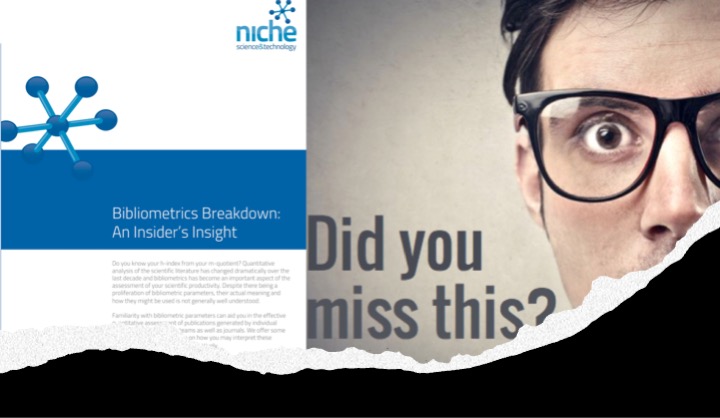
Clearly, our efforts to understand factors that influence citation rates are fraught with challenges but you want to give your work every chance of being recognised (BTW – our Insider's Insight on understanding bibliometrics is available for downloading [11]). The evidence suggests that for a scientific paper in 2018, a good title should be concise, descriptive, and perhaps make use of a colon to clearly signal both the broader theme and the specific focus of the work. Check out the Insider's Insights then you decide.
References
- Paiva CE, Lima JPDSN, Paiva BSR. Articles with short titles describing the results are cited more often. Clinics. 2010;65(5):507-12.
- Letchford A, et al. The advantage of short paper titles. 01 August 2015 doi.org/10.1098/rsos.150266.
- Buela-Casal G, Zych I. What do the scientists think about the impact factor? Scientometrics. 2012;92(2):281-92.
- Niche Science & Technology (2015). Putting you best foot forward: An Insider's Insight into what makes a great title.
- Hardman TC, et al. Sodium-glucose co-transporter 2 inhibitors: from apple tree to 'Sweet Pee'. Curr Pharm Des. 2010;16(34):3830-8. doi: 10.2174/138161210794455111.
- Hardman TC, Dubrey SW. Development and potential role of type-2 sodium-glucose transporter inhibitors for management of type 2 diabetes. Diabetes Ther. 2011 Sep;2(3):133-45. doi: 10.1007/s13300-011-0004-1.
- Subotic S, Mukherjee B. Short and amusing: The relationship between title characteristics, downloads, and citations in psychology articles. J Inf Sci. 2014;40(1):115-24.
- Jamali HR, Nikzad M. Article title type and its relation with the number of downloads and citations. Scientometrics. 2011;88(2):653-61.
- Fox CW, Burns CS. The relationship between manuscript title structure and success: editorial decisions and citation performance for an ecological journal. Ecol Evol. 2015;5(10):1970-80.
- Habibzadeh F, Yadollahie M. Are shorter article titles more attractive for citations? Cross-sectional study of 22 scientific journals. Croat Med J. 2016;57(2):165-70.
- Niche Science & Technology Ltd (2016). Bibliometrics Breakdown: An Insider’s Insight.