Argentina’s Nobel Prize winner Cesar Milstein, the subject of my previous post [1], said: “Science will only fulfil its promises when the benefits are equally shared by the really poor of the world”.
Let’s run with that thought and turn to Democratic Republic of Congo (DR Congo), the seventh poorest country in the world [2].
At the start of this year’s World Cup matches, DR Congo drew their opening match 1-1 against Portugal. Considering the FIFA Men's World Rankings place Portugal fifth in the world and DR Congo as forty-sixth, that’s a great achievement from the African team. But what have their scientists achieved over the years?
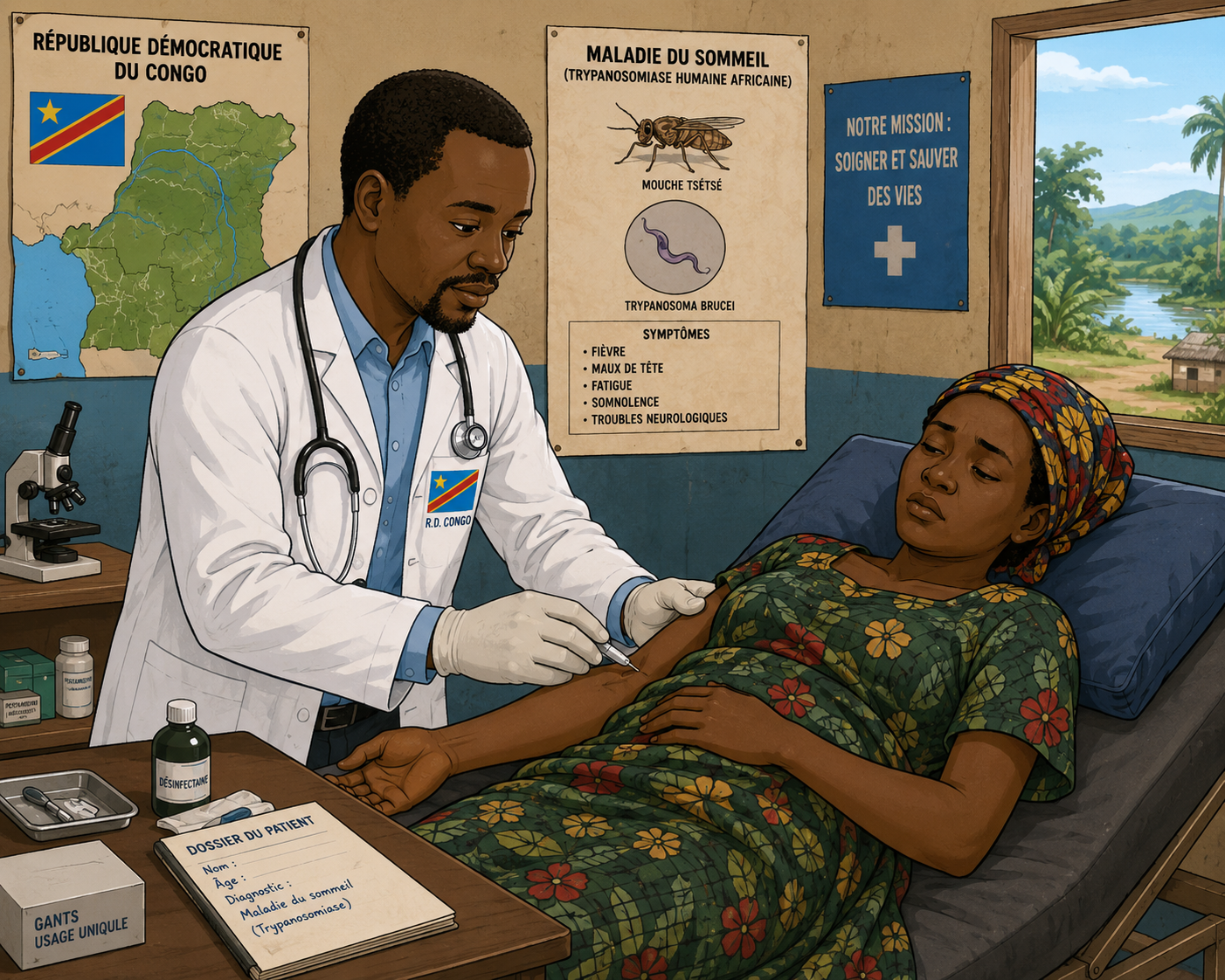
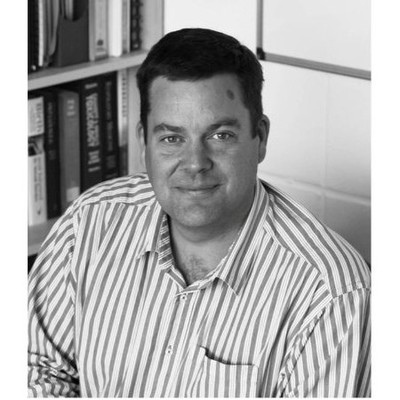
Consider Dr Victor Kande, a leading expert on sleeping sickness whose decades of research, surveillance and clinical trials have driven the development of new treatments, bringing the disease close to elimination in DR Congo.
Sleeping sickness, or African trypanosomiasis, is caused by Trypanosoma brucei gambiense parasites that are transmitted by tsetse flies. The infection affects the nervous system, causing fever, headaches, confusion, and disrupted sleep cycles. Current treatments include pentamidine, suramin, melarsoprol, eflornithine, depending on disease stage and severity level.
Conducting clinical trials on sleeping sickness is exceptionally challenging because the disease primarily affects remote, resource-limited communities in Central and West Africa, where healthcare infrastructure, laboratory facilities, transport and patient follow-up are difficult. This is something we discovered first hand (although on a more modest scale) when we were working with Sigma Tau in the early 2010's to get artesunate registered for malaria with the US FDA.
Despite the operational challenges, Dr Kande tackled the challenges of sleeping sickness trials through a combination of scientific leadership, local capacity building and a relentless focus on making treatment simpler for patients in remote settings.
In one study, Dr Kande compared fexinidazole, a simply administered oral medicine, with the first-line treatment for sleeping sickness: orally administered nifurtimox combined with eflornithine, an intravenous infusion that requires administration in hospital [3]. The trial took 4 years to complete and treated 394 patients living in remote areas of DR Congo and Central African Republic with few health resources. Treatment success was similar (non-inferior) for the two treatments showing oral fexinidazole to be effective, safe and, due to it not requiring hospitalisation, a key asset in the elimination of sleeping sickness. Fexinidazole now sits on the World Health Organization's List of Essential Medicines as the first all oral treatment for sleeping sickness [4].
We know that clinical trials are always a team effort, especially in Africa, where local circumstances increase the complexity of successful completion. In this trial, strong leadership and effective teamwork between the local team and their global partner, the Drugs for Neglected Diseases Initiative, brought success.
I should perhaps apologise to Portugal for not giving due recognition to the many great Portuguese scientists whose discoveries and contributions have shaped global knowledge and innovation. Portugal has a proud scientific heritage, and its achievements deserve celebration alongside those of every nation. Yet the story of DR Congo reminds us that scientific excellence is not determined by wealth, rankings or resources alone. In fields such as neglected tropical disease research and the fight against sleeping sickness, Congolese scientists and their international partners have achieved outcomes that place them among the world’s leaders, at times outperforming better-resourced countries in addressing some of humanity’s most difficult health challenges. Like DR Congo’s impressive draw against a highly ranked Portuguese team, these scientific achievements are moments to celebrate: evidence that talent, determination and collaboration can produce remarkable results anywhere in the world.
References
- Cook J (2026). World Cup thoughts… who’s the GOAT?
- Poorest Countries in the World 2026
- Mesu V, Kalonji W, Bardonneau C et al. Oral fexinidazole for late-stage African Trypanosoma brucei gambiense trypanosomiasis: a pivotal multicentre, randomised, non-inferiority trial. The Lancet, 2017; 391, 144-154.
- World Health Organization Model List of Essential Medicines: 22nd list (2021)