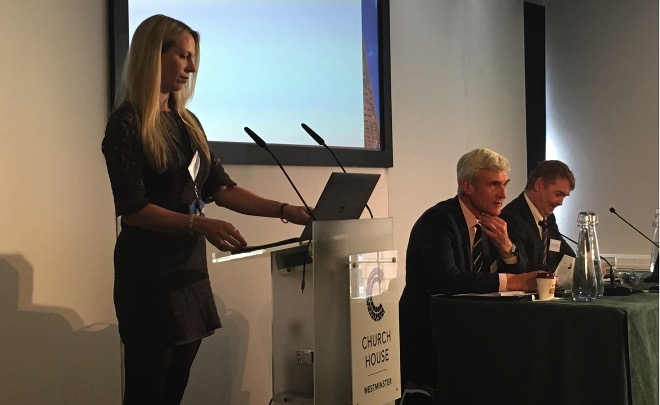
The proceedings of the Association for Human Pharmacology in the Pharmaceutical Industry (AHPPI) annual meeting, held in London on June 22, 2018, have been published today in the journal Frontiers in Pharmacology [1].
This publication marks a significant achievement, following the earlier publication of the 2017 EUFEMED meeting during my tenure as AHPPI Chairman [2]. The 2018 meeting was particularly notable as it celebrated the 30th anniversary of the AHPPI, the world's oldest not-for-profit professional group dedicated to early-stage drug development. Founded in 1988, the Association continues to provide a vital forum for ongoing education in clinical pharmacology and the regulatory aspects of developing new medicines. The central theme of the meeting was the evolving landscape of early-phase drug development.
Professor Alan Boyd, President of the Faculty of Pharmaceutical Medicine, delivered the opening keynote address. He reflected on the transformative changes in pharmaceutical medicine over the past three decades and their profound impact on patient treatment.
Presentations explored key strategies to address the high attrition rate of drug candidates and accelerate the path from laboratory to clinical proof of concept, with a focus on the role of translational pharmaceutics. Discussions also covered the European Medicines Agency's updated 2007 Risk Mitigation guideline for first-in-human studies. This revised policy, which became mandatory in February 2018, emphasises risk mitigation and safety, providing clearer guidance for sponsors in the design and conduct of early clinical trials. The challenges and opportunities presented by integrated adaptive protocol designs in early patient trials were also a key topic.
A significant portion of the meeting addressed the post-Brexit landscape. The Health Regulatory Authority outlined its strategies to maintain the UK's attractiveness for Phase I studies. Concurrently, the Medicines and Healthcare products Regulatory Agency confirmed its preparedness to adopt and influence key elements of the new European Clinical Trials Regulation in the event of a 'no-deal' Brexit.
The meeting successfully convened experts from diverse fields, including drug development, clinical research organisations, government science policy, and regulatory agencies. This facilitated in-depth discussion on the changing regulatory environment and the specific opportunities and challenges facing the UK post-Brexit. In my concluding remarks, I noted that the topics addressed throughout the day underscored a collective industry commitment to sustaining the UK's position as a preferred location for early-phase clinical studies.
- Reijntjes S, et al. The Association for Human Pharmacology in the Pharmaceutical Industry London Meeting 2018: Brexit and Other Challenges in Early Phase Drug Development. Front Pharmacol. 2018 Nov 19;9:1301. doi: 10.3389/fphar.2018.01301.
- Van Bortel L, et al. EUFEMED London Conference 2017: Exploratory Medicines Development: Innovation and Risk Management. Front Pharmacol. 2018 Jan 17;8:901. doi: 10.3389/fphar.2017.00901.