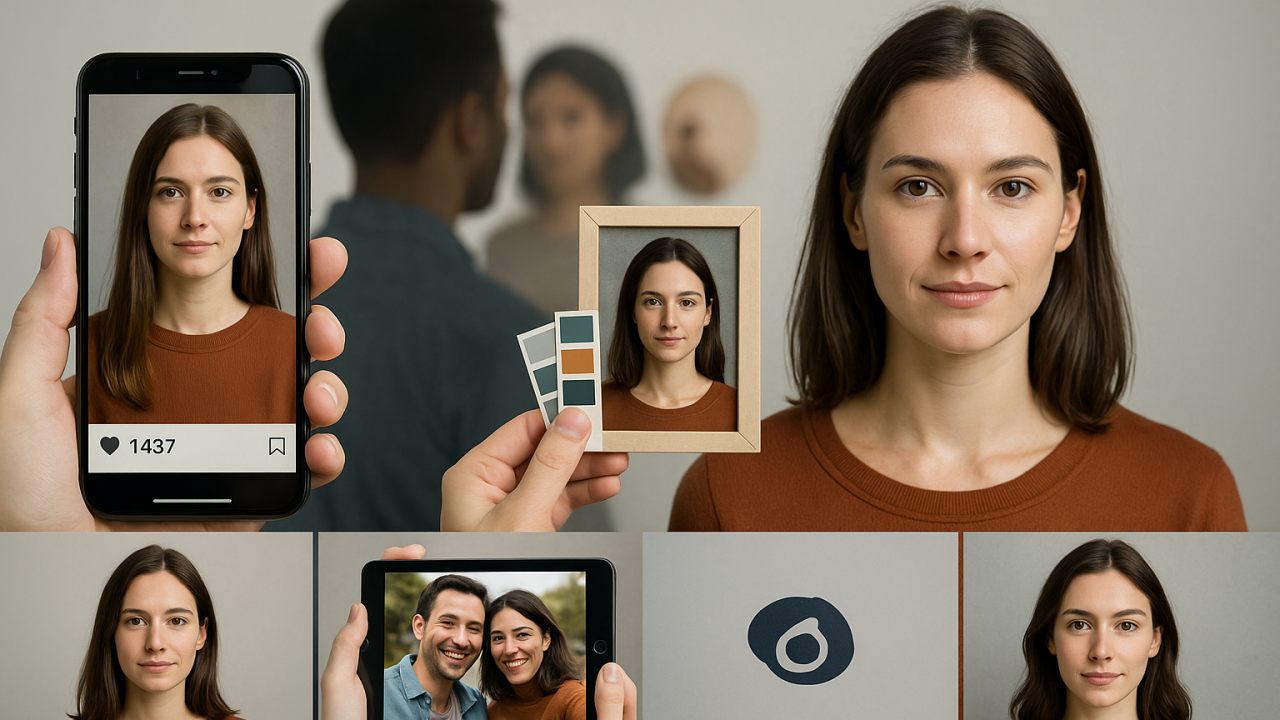
I am still regularly surprised to see people post on LinkedIn without an associated image. It is well-established that posts with images on social media platforms receive 150% more engagement than those without visuals [1]. The impact of visual content extends beyond web traffic influence; it significantly affects content sharing across social media platforms. The digital age, also termed the fourth industrial revolution, is characterised by a constant omnichannel bombardment of information. Making your print and online materials stand out and capturing your audience's attention can be a formidable challenge. Visual content has emerged as a critical tool for cutting through the noise, and the old adage that a picture is worth a thousand words continues to hold true. Studies show that articles featuring images receive 94% more views than text-only counterparts [2]. Different types of images, infographics, cartoons, photographs, and AI-generated visuals, elicit varying responses, influencing both the likelihood of an article being opened and the depth of interaction with its content.
The power of images lies in the fundamentals of human nature; we are wired to notice, remember, learn from, and respond emotionally to visuals. Images are processed by the human brain up to 60,000 times faster than text [3][4], making them an essential tool for grabbing attention in an information-rich environment. Eye-tracking studies demonstrate that visuals are often the first point of focus before text, guiding how users navigate a page [5]. Neuroscientific studies reveal that emotionally charged visuals activate the amygdala, enhancing memory retention [6]. In digital contexts, where attention spans average 8 seconds [7], images act as ‘cognitive shortcuts,’ guiding viewers to prioritise content. Print media benefits similarly, with high-quality visuals increasing perceived credibility [8]. The cognitive ease with which images convey complex messages enhances comprehension, while emotionally evocative visuals strengthen recall [9].
Infographics: Engaging through Simplified Complexity
Infographics synthesise complex data into easily digestible formats, boosting comprehension and shareability. Studies show that infographic content is 30 times more likely to be read than text alone [10]. Infographics are particularly effective in technical or scientific communication, where they enhance understanding [11] and can increase retention by up to 50% versus text [12]. However, their effectiveness depends on design clarity and audience familiarity with the topic. On platforms like LinkedIn, infographics drive 3x more engagement [13], appealing to audiences seeking actionable insights. Recent research suggests that while infographics may not always outperform text-based abstracts on composite measures of communication within expert scientific readers, they can lead to higher attention and effectiveness, particularly for broader or non-expert audiences [14].
Cartoons and Illustrations
Cartoons and illustrations can introduce humour, relatability, and emotional engagement, making them highly effective for drawing in audiences with limited subject-matter expertise, particularly resonating with younger demographics. It has been argued that their abstraction invites viewer participation, fostering emotional connections [15]. Yet, cultural nuances and subject sensitivity limit their applicability for serious news or scientific reporting, where credibility is a priority. Utilising visual storytelling techniques is another powerful tactic for successful visual content marketing. By crafting narratives through images, articles can evoke emotions and create a deeper connection with their audience. Indeed, narrative-based and visually engaging content consistently outperforms traditional, text-based formats in fostering audience engagement across educational social media platforms [16].
Authenticity and Emotional Connection with Real Photos
Images featuring real people evoke strong emotional responses and create a sense of trust and authenticity, as viewers perceive subjects as relatable [17]. Studies indicate that human faces are particularly effective at drawing attention and fostering empathy, leading to higher engagement levels [18]. Articles featuring real-person photos see 35% higher conversion rates in sectors like healthcare and nonprofits [19]. Authentic photography performs exceptionally well on social media and human-interest articles but tends to be less effective in technical or data-driven content, where audiences seek precision over relatability. Print journalism relies heavily on candid shots to humanise stories, while platforms like Instagram prioritise authenticity over staged stock photos.
AI-Generated Images
AI-generated visuals have gained traction due to their ability to create highly customised and conceptually unique imagery. Tools like ChatGPT have democratised esoteric image generation, created specifically for their associated articles. AI tools like DALL-E offer cost-effective customisation, ideal for niche topics lacking stock visuals. Before these tools became available authors faced a challenge sourcing appropriate supporting imagery. The novelty factor associated with AI-generated images can spark curiosity, leading to increased engagement. Tech blogs using AI imagery report 20% higher click-through rates due to novelty [20]. However, these images are often easily identifiable and have become commonplace, almost too common. They have the potential for deepfakes or algorithmic biases and can deter certain audiences [21]. If you make regular posts then it is wise to moderate the use of these images. Adding a human touch to AI-generated visuals can help preserve authenticity and brand credibility [22].
Audience and Media Channel Considerations
In digital spaces, images serve as the gateway to content. Social media algorithms prioritise posts with visually compelling elements, making images a key driver of engagement [23]. Thumbnails and feature images are critical for encouraging clicks, with research showing that content with relevant images receives 94% more views than content without visuals [2]. A key benefit of images that is often overlooked is their search impact: visual pieces are highly valued by both search audiences and search engines themselves. Analytics have revolutionised visual strategies. A/B testing reveals that personalised images increase email open rates by 42% [24]. Stock photo usage has declined by 30% since 2018 as metrics highlight their lower engagement [25]. Real-time tools like Google Analytics enable dynamic adjustments, favouring responsive design and platform-specific optimisation.
In print media, the role of images shifts from clickability to enhancing reader retention. While print lacks the interactivity of digital platforms, well-placed images can break up dense text, improving readability and engagement. Traditional journalistic principles prioritise high-quality photography and well-crafted illustrations to complement investigative reporting [26].
Understanding the target audience's preferences and interests is paramount when creating effective visual content. By analysing demographic data such as age, location, gender, and interests from platforms like Instagram Insights or Facebook Audience Insights, businesses can tailor their visual content to resonate with their specific audience segments. Employ A/B testing when determining which format to use for your posts and refine your visual strategy. For instance, the effectiveness of infographics can vary significantly by age group, with younger demographics often showing more positive attitudes towards them [27]. In general:
Conclusion
Images are not mere embellishments but strategic tools that shape content consumption. The effectiveness of an image in engaging readers is influenced by its type, audience, and media channel. Infographics are optimal for data communication, though their benefit may be less pronounced for expert scientific audiences [14]. As metrics refine our understanding, writers must adopt agile, audience-tailored approaches. By harmonising creativity with data, they can harness the full potential of visual storytelling. Cartoons can simplify complex ideas, photographs enhance authenticity, and AI-generated images offer novel, customisable solutions. Understanding the psychological impact of visuals and tailoring image choices to specific contexts can significantly enhance reader engagement and information retention.
References

Get our latest news and publications
Sign up to our news letterResources
Social


Contact us
Address
Niche Science & Technology
Unit 26 Falstaff House
Bardolph Road
Richmond TW9 2LH
United Kingdom