Some scientific discoveries emerge from careful planning. Others arrive by accident. Either way, everyone at Niche loves the opportunity to be involved.
In the 1970s and 1980s, while Western researchers were developing new vaccine adjuvants, scientists at the Soviet Institute of Immunology were searching for ways to improve influenza vaccines. What they discovered was azoximer bromide (AZB), a synthetic immunomodulator that appeared to do much more than simply enhance vaccine responses [1].
Researchers found that AZB could stimulate multiple components of the immune system, including phagocytes, natural killer cells, and dendritic cells. Early laboratory studies suggested potential anti-inflammatory and anti-tumour effects, sparking decades of research. By the early 2000s, AZB had been incorporated into Russia’s Grippol influenza vaccine and has since been administered in hundreds of millions of doses [2].
Yet outside Russia and several former Soviet states, AZB remained largely unknown. Language barriers, geopolitical isolation, and differing scientific cultures limited its visibility in the Western medical literature.
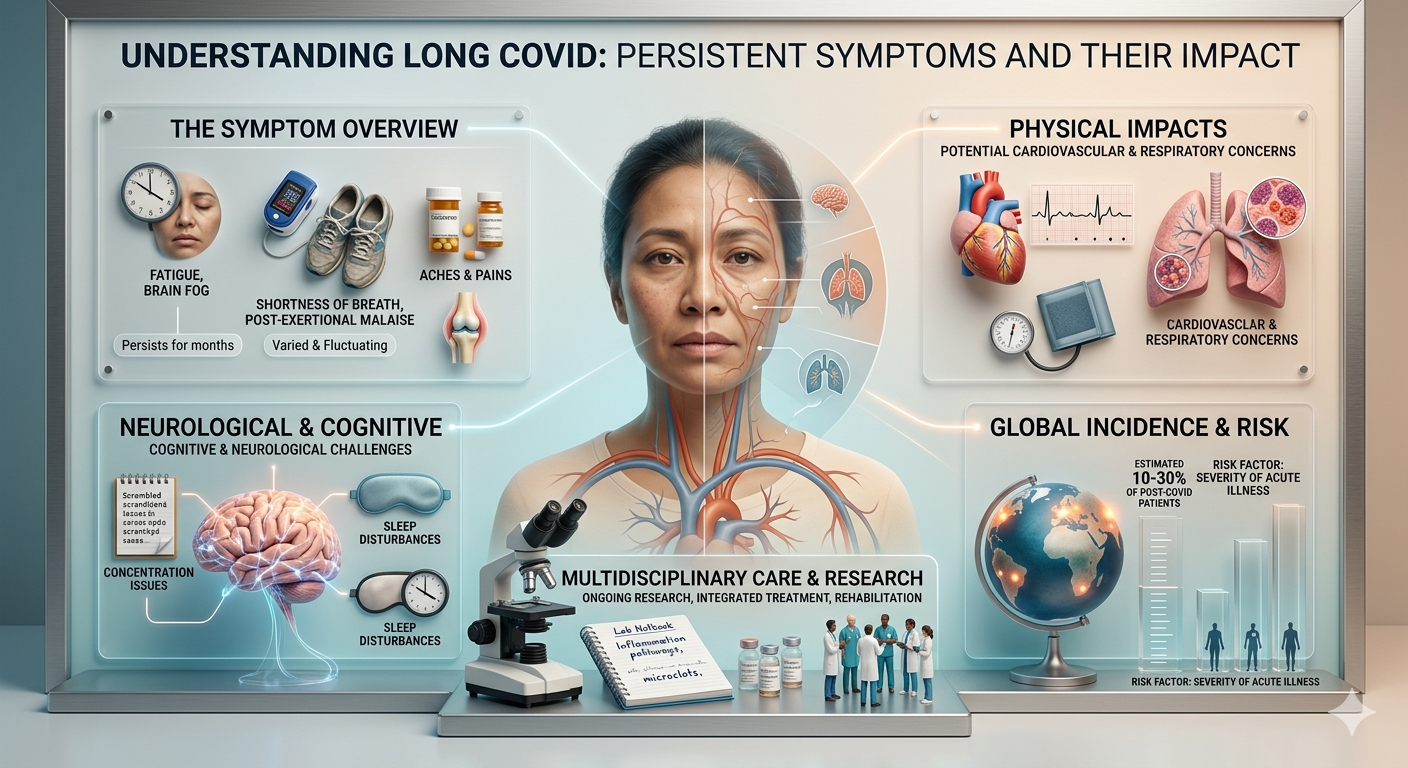
The COVID-19 pandemic unexpectedly revived interest in the molecule. Given its immunomodulatory properties, researchers explored whether AZB, and a longer-acting conjugate known as bovhyaluronidase azoximer (BA), might help patients suffering from long COVID, particularly those with persistent lung damage and exercise intolerance.
An early open-label study suggested potential benefits [3], but stronger evidence was needed. The Niche team had the opportunity to work with researchers on a large randomised, double-blind, placebo-controlled trial involving almost 400 patients across 37 sites in Russia. Conducted between 2022 and 2023, the study faced formidable challenges, including strained healthcare systems, equipment shortages, and the logistical difficulties of conducting research during a period of war and post-pandemic disruption.
The findings of the study have just been published, though the primary outcome was disappointing [4]. BA failed to improve lung function, measured by forced vital capacity (FVC), compared with placebo. By the conventional standards of clinical research, the trial did not achieve its primary endpoint.
However, the story shouldn’t end there. Several secondary findings suggested potential benefits. Patients receiving BA experienced significantly less oxygen desaturation during exercise and reported less exercise-related breathlessness over time. Particularly intriguing was a subgroup of patients with cardiovascular comorbidities, who appeared more likely to achieve meaningful improvements in lung function.
These findings do not prove effectiveness, and caution is warranted. Secondary endpoints can generate hypotheses but rarely provide definitive answers. Nevertheless, they raise important questions about whether BA may help specific groups of long COVID patients through mechanisms unrelated to direct lung repair, perhaps involving vascular, muscular, or systemic inflammatory pathways.
The publication process reflected this tension. Reviewers rightly emphasised the negative primary endpoint and the limitations of subgroup analyses. As a result, the final paper adopted a highly conservative tone. As an author I worry that excessive caution can sometimes obscure scientifically important signals that deserve further investigation. And in some way perhaps, the AZB story illustrates the messy reality of medical science. Progress is rarely linear. Promising ideas often survive setbacks, criticism, and disappointing results. Whether AZB ultimately proves useful for long COVID remains uncertain, but the trial highlights the value of persistence, transparency, and the willingness to pursue unexpected observations.
Sometimes scientific breakthroughs are not revealed by success alone. Sometimes they emerge from the questions that remain unanswered.
References
Get our latest news and publications
Sign up to our news letterResources
Social


Contact us
Address
Niche Science & Technology
Unit 26 Falstaff House
Bardolph Road
Richmond TW9 2LH
United Kingdom