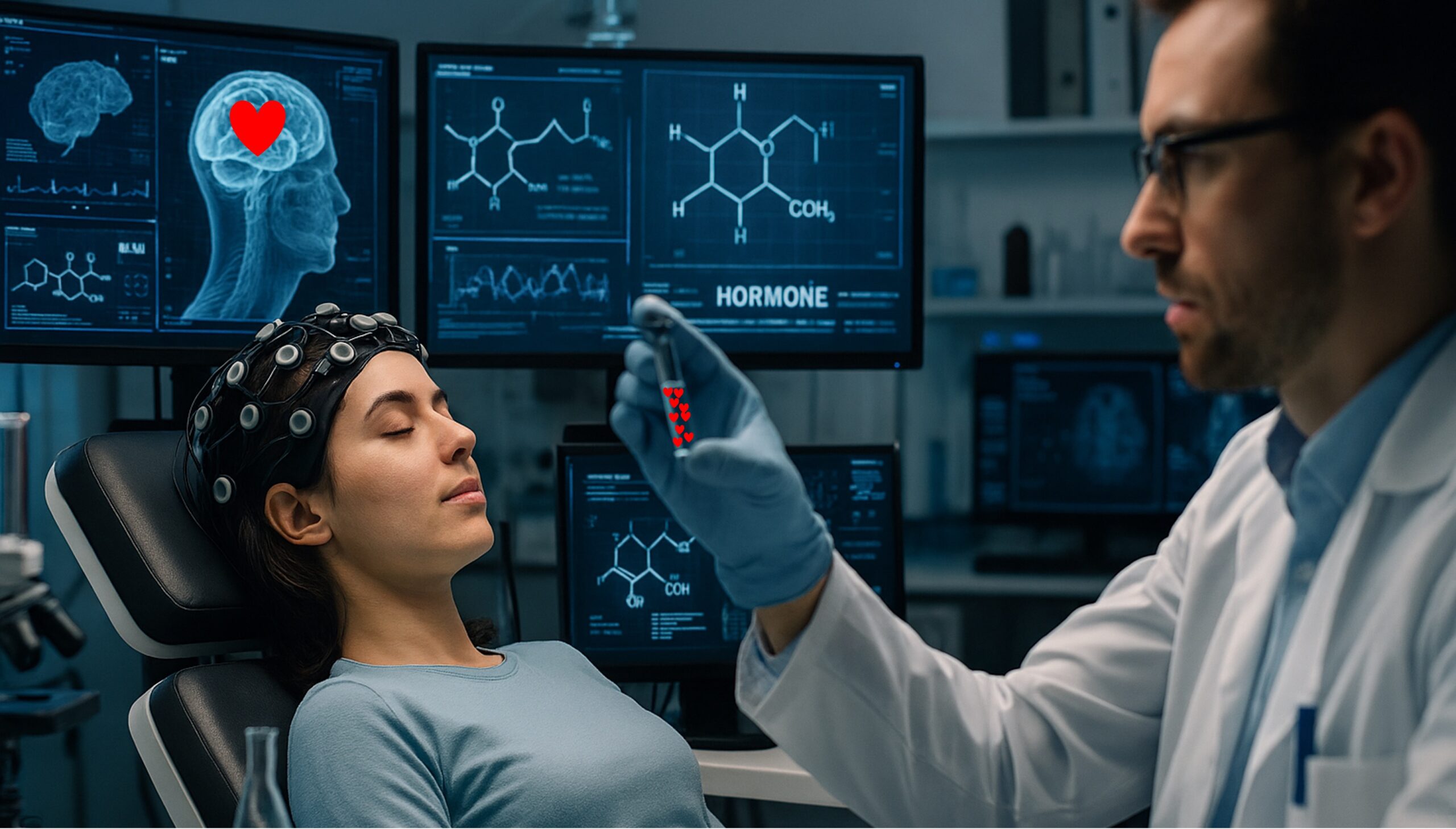
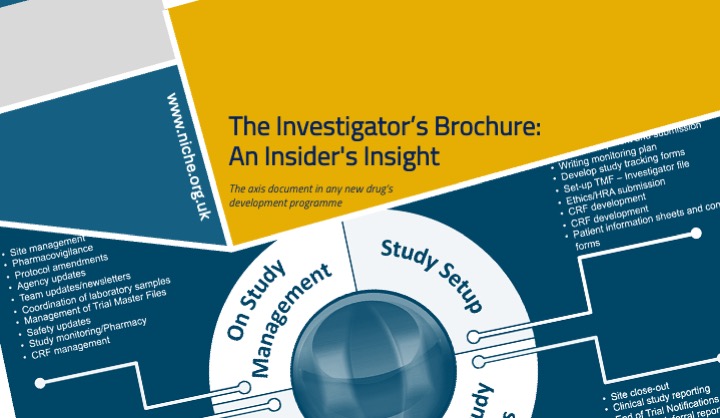
Valentine’s Day tomorrow offers the opportunity for a familiar narrative about matters of the heart. For example, I have frequently written about bonding, love and evolution as well as the hormones and pharmacology of love [1][2][3][4]. Yet for those of us working in life sciences, the metaphor quickly gives way to a more precise reality: connection is biochemical, not symbolic. Neurotransmitters fire, hormones fluctuate, immune responses shift, and behavioural patterns emerge from quantifiable physiological processes. What is often framed as sentiment is, in practice, a network of measurable biological signals.
For pharmaceutical innovators, this recognition is more than seasonal reflection, it is a reminder that emotion is not peripheral to medicine. It is increasingly central to it and from there our humanity.
Emotional Biology Is Not “Soft Science”
Emotional biology has historically been relegated to the margins of traditional drug development, often perceived as subjective or somewhat resistant to quantification. However, contemporary evidence tells a different story. Advances across the fields of neurochemistry, endocrinology, behavioural pharmacology, and psychoneuroimmunology demonstrate that emotional states can be associated with identifiable and reproducible biological mechanisms. Dopaminergic reward circuits, serotonergic modulation of mood, oxytocin-mediated bonding pathways, and cortisol-linked stress responses are now mapped with increasing precision through neuroimaging, molecular assays, and computational modelling.
Equally significant is the growing recognition that emotional processes influence immune regulation and inflammatory pathways, linking mental and physical health more closely than previously acknowledged. Psychoneuroimmunology has revealed bidirectional relationships between stress, immune signalling, and disease susceptibility, reframing emotion as a systemic biological ‘status’ rather than a purely cognitive phenomenon. In this light, emotional biology is not an abstract construct, but a legitimate and drug-targetable domain grounded in reproducible science and translational potential [5][6][7].
From Molecules to Markets: Commercial and Therapeutic Relevance
Scientific legitimacy alone can’t drive pharmaceutical transformation. This is the territory of commercial applicability does. Emotional biology sits at the convergence. Mental health therapeutics, social cognition disorders, and neurodevelopmental conditions represent expanding global markets with substantial unmet needs. Simultaneously, loneliness and chronic stress are increasingly recognised as public-health challenges with measurable economic impact, influencing productivity, healthcare expenditure, and long-term morbidity/mortality [8][9].
Bridging molecules to markets requires understanding not only receptor binding and pharmacokinetics but also behavioural context. Oxytocin’s role in social affiliation, serotonin’s involvement in mood regulation, dopamine’s influence on motivation, and vasopressin’s contribution to social memory are no longer isolated academic findings; they are informing nascent therapeutic strategies, digital health integrations, and investor interest. Pharmaceutical pipelines are beginning to reflect this shift, with increased focus on neuropsychiatric indications, cognitive enhancement, and hybrid digital-pharmacological interventions [10][11].
Digital biomarkers and AI-enabled phenotyping are further expanding commercial horizons. Wearable devices, speech analytics, and behavioural telemetry allow emotional and cognitive states to be quantified continuously in real-time rather than episodically. These data streams have the potential to enable more precise patient stratification and adaptive trial designs, reducing uncertainty while opening new revenue models rooted in longitudinal health insights [12][13]. The commercial implication is clear: emotional biology is evolving into a strategic asset rather than an ancillary research interest.
AI and Data Science in Emotional Biomarker Discovery
The maturation of artificial intelligence can only be expected to mark a turning point in how emotional biology is operationalised. Traditional clinical assessments, reliant on subjective reporting and periodic evaluation, will be complemented by machine-learning systems capable of detecting subtle correlations across multimodal datasets. Neuroimaging outputs, genomic profiles, behavioural metrics, and environmental signals can now be integrated into predictive models that reveal patterns invisible to single-domain analysis [14][15]. We are standing on the edge of a new horizon.
Large-scale language and pattern-recognition models contribute to literature synthesis, hypothesis generation, and trial optimisation. While such insight doesn’t replace experimental validation, they inform and accelerate discovery cycles, massively augmenting our analytical bandwidth. In parallel, digital phenotyping, the moment-to-moment quantification of individual behaviour through personal devices, introduces a dynamic layer of evidence that aligns therapeutic intervention with lived experience providing insights far beyond retrospective reporting.
For leaders in research and development, the implication is not simply technological adoption but methodological evolution. Emotional biomarkers derived from integrated data ecosystems offer opportunities to redefine endpoints, personalise dosing strategies, and anticipate treatment response. This convergence of behavioural insight and computational power signals a transition from descriptive psychiatry to predictive neurobiology [16].
Leadership, Responsibility, and the Ethics of Influence
Technological capability alone does not constitute a destination. In the context of emotional biology, leadership demands cross-disciplinary literacy and ethical foresight. Drug development increasingly requires fluency in neuroscience, computational modelling, behavioural science, and regulatory strategy, a synthesis that challenges traditional organisational silos. Leaders shaping this domain will recognise that data must be interpreted through a human-centric lens, where empathy and evidence coexist rather than compete.
Ethical considerations are inseparable from innovation in this space. The capacity to influence emotional states raises questions about autonomy, informed consent, and the boundary between therapy and enhancement. Those well-versed in sci-fi might be hearing echoes of Philip K Dick’s “Do Androids Dream of Electric Sheep” (aka Blade Runner) or Aldus Huxley’s “Brave New World.” Continuous behavioural monitoring introduces data-governance challenges that extend beyond compliance into the realm of trust. Responsible stewardship therefore involves transparent methodologies, rigorous validation standards, and patient-centric design principles that prioritise wellbeing over novelty.
In practical terms, leadership becomes the integration of analytical precision with moral clarity, ensuring that advances in emotional pharmacology enhance agency rather than diminish it. No HAL9000 here, thank you! As therapies move closer to influencing cognition and behaviour directly, ethical maturity becomes a competitive differentiator as much as a regulatory necessity.
The Strategic Imperative of Human-Centred Innovation
It is fair to speculate that the pharmaceutical sector is at the interface between traditional pharmacology and a phase where differentiation arises less from isolated compound discovery and more from integrative capability. Emotional biology exemplifies this shift. It will require collaboration across molecular science, behavioural analytics, clinical medicine, and digital engineering. Organisations able to navigate these intersections are better positioned to design interventions that are both clinically effective and contextually relevant. The question arises as to whether these organisations will traditional pharma companies like AZ, GSK or BI or whether they are Google, Ammazon or Apple [17].
Human-centred innovation should not dilute scientific rigour; traditionally we might expect by aligning therapeutic intent with measurable outcomes that matter to patients and populations alike industry outputs and efficiencies will be amplified. The integration of emotional metrics into drug development pipelines should signal a broader transformation in how health itself is conceptualised, moving from episodic disease management toward continuous wellbeing optimisation. Alternatively, we might all simply be digitised in a manner (somewhat) reminiscent of “The Matrix.”
A Forward View: Cross-Disciplinary Leadership in Practice
Looking ahead, the integration of emotional biology into mainstream pharmaceutical innovation is less speculation and more expectation. Advances in computational neuroscience, digital health infrastructure, and translational research methodologies are converging at speed. They will produce a richer and more actionable understanding of human physiology. The organisations that thrive in this environment will be those capable of synthesising science theory and data to provide insight across disciplines, we can only hope while maintaining ethical and scientific integrity.
Niche Science & Technology operates precisely within this convergence, not just as a vendor of isolated solutions, but as a cross-disciplinary catalyst connecting neuroscience, data science, and strategic advisory. By fostering dialogue between sectors and emphasising evidence-driven analysis over rhetoric, we aim to exemplify the kind of integrative leadership increasingly required in pharmaceutical innovation. The opportunity is not merely to develop new therapeutics, but to redefine how discovery itself is approached.
Valentine’s Day may spotlight the language of affection, but the field of life sciences reveal its infrastructure. Beneath every expression of connection lies a network of measurable biology and actionable data. Leaders who recognise this intersection — and who approach it with both analytical rigour and ethical responsibility, might be expected to shape the next era of drug innovation. The future of therapeutics will not be defined solely by chemistry or code, but by the capacity to understand and responsibly engage the biological foundations of human experience.
References
- Hardman TC (2025). Bonding-Love-Evolution.
- Hardman TC (2025). Will the real love hormone stand up.
- Hardman TC (2022). Love pharmacology.
- Hardman TC (2024). Love: an AI's inquiry into the essence of human connection.
- Panksepp J. Affective neuroscience of the emotional BrainMind: evolutionary perspectives and implications for understanding depression. Dialogues Clin Neurosci. 2010;12(4):533-45.
- Damasio A, Carvalho GB. The nature of feelings: evolutionary and neurobiological origins. Nat Rev Neurosci. 2013 Feb;14(2):143-52.
- McEwen BS. Protective and damaging effects of stress mediators. N Engl J Med. 1998;338(3):171-9.
- Morrish N, Spencer A, Medina-Lara A. How loneliness relates to health, wellbeing, quality of life, and healthcare resource utilisation and costs across multiple age groups in the UK. PLoS One. 2025 Sep 3;20(9):e0327671.
- Barnes TL, Ahuja M, MacLeod S, Tkatch R, Albright L, Schaeffer JA, Yeh CS. Loneliness, Social Isolation, and All-Cause Mortality in a Large Sample of Older Adults. J Aging Health. 2022 Oct;34(6-8):883-892.
- Rajendran A, Kella A, Narayanasamy D. The Revolution of Digital Therapeutics (DTx) in the Pharmaceutical Industry and Their Quality Impacts. Cureus. 2024 Aug 13;16(8):e66792.
- Wu H, Li MD. Digital psychiatry: concepts, framework, and implications. Front Psychiatry. 2025 Jul 4;16:1572444.
- Insel TR. Digital phenotyping: Technology for a new science of behavior. JAMA. 2017;318(13):1215-6.
- Cacioppo JT, Cacioppo S, Capitanio JP, Cole SW. The neuroendocrinology of social isolation. Annu Rev Psychol. 2015 Jan 3;66:733-67.
- Kline A, Wang H, Li Y, Dennis S, Hutch M, Xu Z, Wang F, Cheng F, Luo Y. Multimodal machine learning in precision health: A scoping review. NPJ Digit Med. 2022 Nov 7;5(1):171.
- Lee S, Cho Y, Ji Y, Jeon M, Kim A, Ham BJ, Joo YY. Multimodal integration of neuroimaging and genetic data for the diagnosis of mood disorders based on computer vision models. J Psychiatr Res. 2024 Apr;172:144-155.
- Friston KJ. The free-energy principle: A unified brain theory? Nat Rev Neurosci. 2010;11(2):127-38.
- Hardman TC, Aitchison R, Scaife R, Edwards J, Slater G on behalf of the Committee of the Pharmaceutical Contract Management Group. The future of clinical trials and drug development: 2050. Drugs Context. 2023;12:2023-2-2.